
Search results
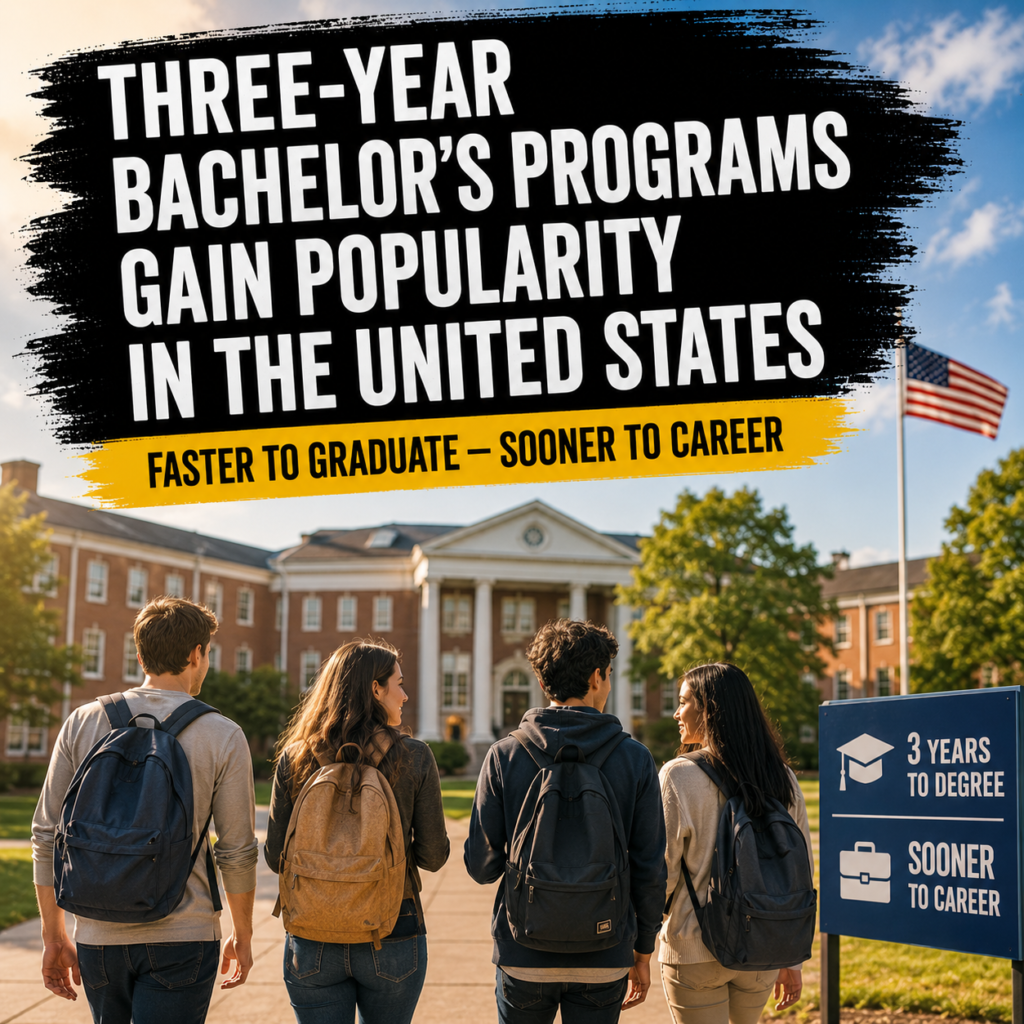
Three-Year Bachelor’s Programs Gain Popularity Among Universities and Students in the United States
In the United States, three-year bachelor’s degrees are gradually moving from an experimental model toward a more visible trend in higher education reform. An increasing number of American universities are offering or developing programs that allow students to earn a bachelor’s degree in approximately three years instead of the traditional four. The main difference is not simply a more intensive schedule: in many cases, universities reduce the standard 120 credits to roughly 90–96 by reconsidering required courses and removing subjects that are not directly connected to a student’s chosen professional specialization. In 2026, these programs are already available at dozens of American higher education institutions and have become part of a broader discussion about the cost, duration, and structure of university education.Interest in the model is growing amid the high cost of American higher education and changing expectations among students who want to obtain qualifications and enter the labor market more quickly. For students, shortening the period of study can potentially reduce not only tuition costs but also expenses for housing, food, transportation, and other costs associated with remaining at college. Universities, meanwhile, gain an opportunity to attract adult learners, career changers, and people who are unwilling or unable to devote four full years to traditional undergraduate education.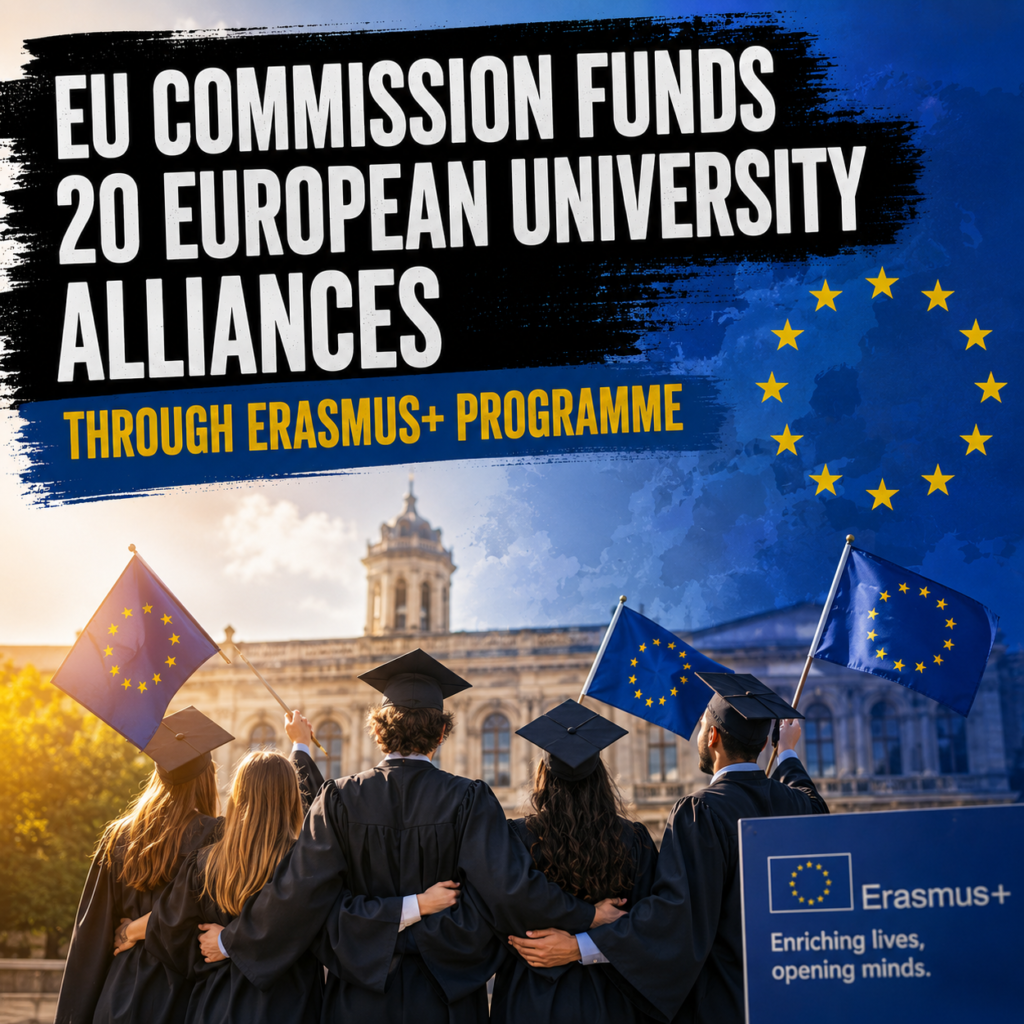
European Commission Funds 20 European University Alliances Through Erasmus+ Programme
The European Commission has selected 20 European University Alliances for new funding under the Erasmus+ programme following the 2026 call. A total of €145.6 million will be allocated, with each selected alliance eligible to receive up to €7.2 million over a two-year period. The new funding is intended to maintain and expand joint projects ahead of the transition to the European Union’s next multiannual financial framework. Activities supported by the grants are expected to begin in autumn or winter 2026. Together, the funded alliances represent 190 higher education institutions working across European countries and developing long-term cooperation in education, mobility, research, and innovation.The European Commission’s decision means that the European Universities Initiative will continue to bring together 65 alliances following the latest selection. The call attracted 36 proposals, of which 20 received funding, while two were placed on a reserve list and another four received the Seal of Excellence in recognition of the high quality of their applications. For the selected alliances, the funding is intended to provide a bridge toward the next EU multiannual budget. The initiative itself is already part of Erasmus+ for the 2021–2027 period and is regarded by the European Union as one of the main mechanisms for deepening transnational cooperation between universities.