Search results
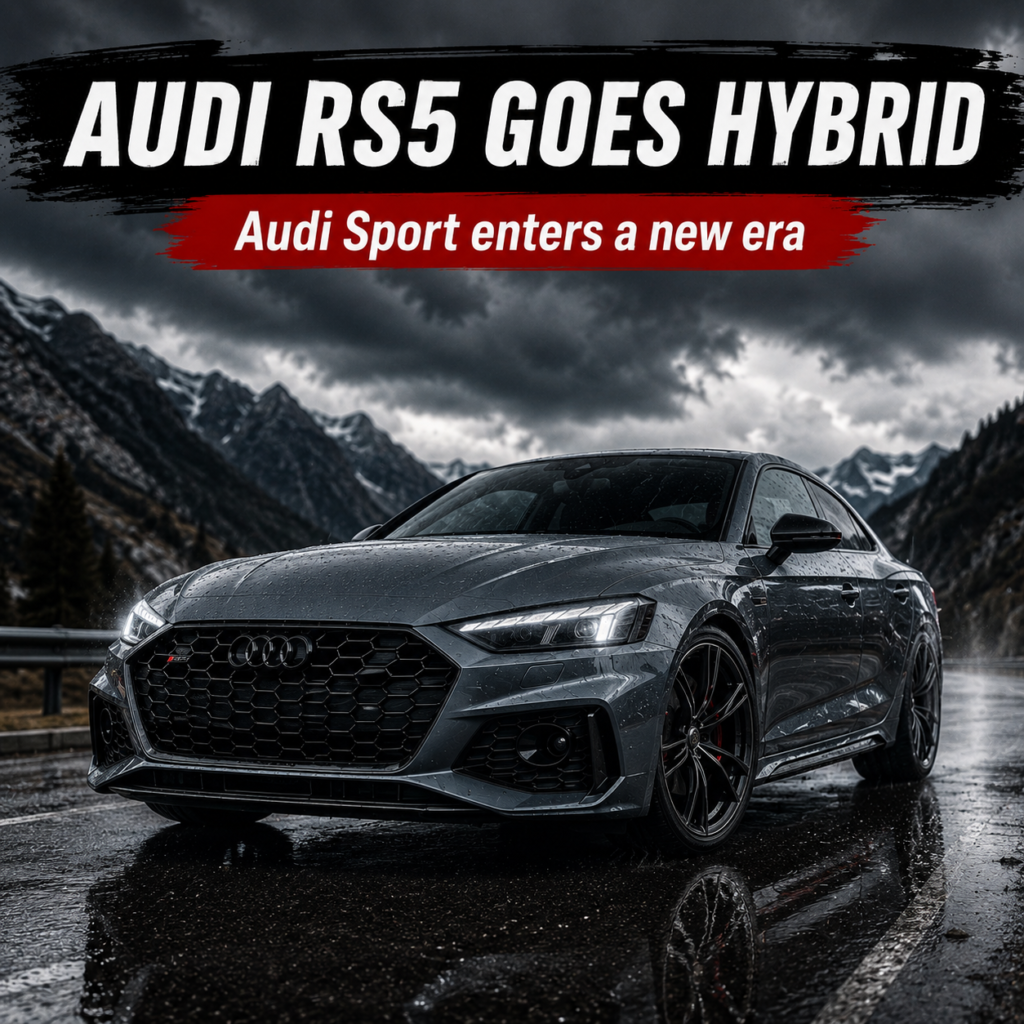
Audi RS5 becomes a hybrid for the first time, opening a new Audi Sport era
Audi has done something with the new RS5 that would have seemed almost unthinkable for one of Germany’s most traditional high-performance model lines only a few years ago. The new RS5 Sedan and RS5 Avant are the first high-performance plug-in hybrid models from Audi Sport. A genuine 2.9-litre twin-turbo V6 remains at the centre of the car, but it is now combined with an electric motor, a traction battery and a much more complex all-wheel-drive system. The result is formidable on paper: total output reaches 470 kW, or 639 hp, maximum torque rises to 825 Nm, and acceleration from 0 to 100 km/h takes 3.6 seconds. At the same time, the car can travel up to around 84 kilometres using electric power alone.But this is where the more interesting question begins: what happens to legendary European performance cars when emissions rules become increasingly strict? The new RS5 is objectively faster and more powerful than its predecessor, yet it has also become a car weighing more than 2.3 tonnes, carrying a battery beneath the rear section and relying on an extremely sophisticated electronic torque-management system. Audi is trying to demonstrate that electrification does not destroy the character of an RS model but instead gives engineers new tools to increase performance.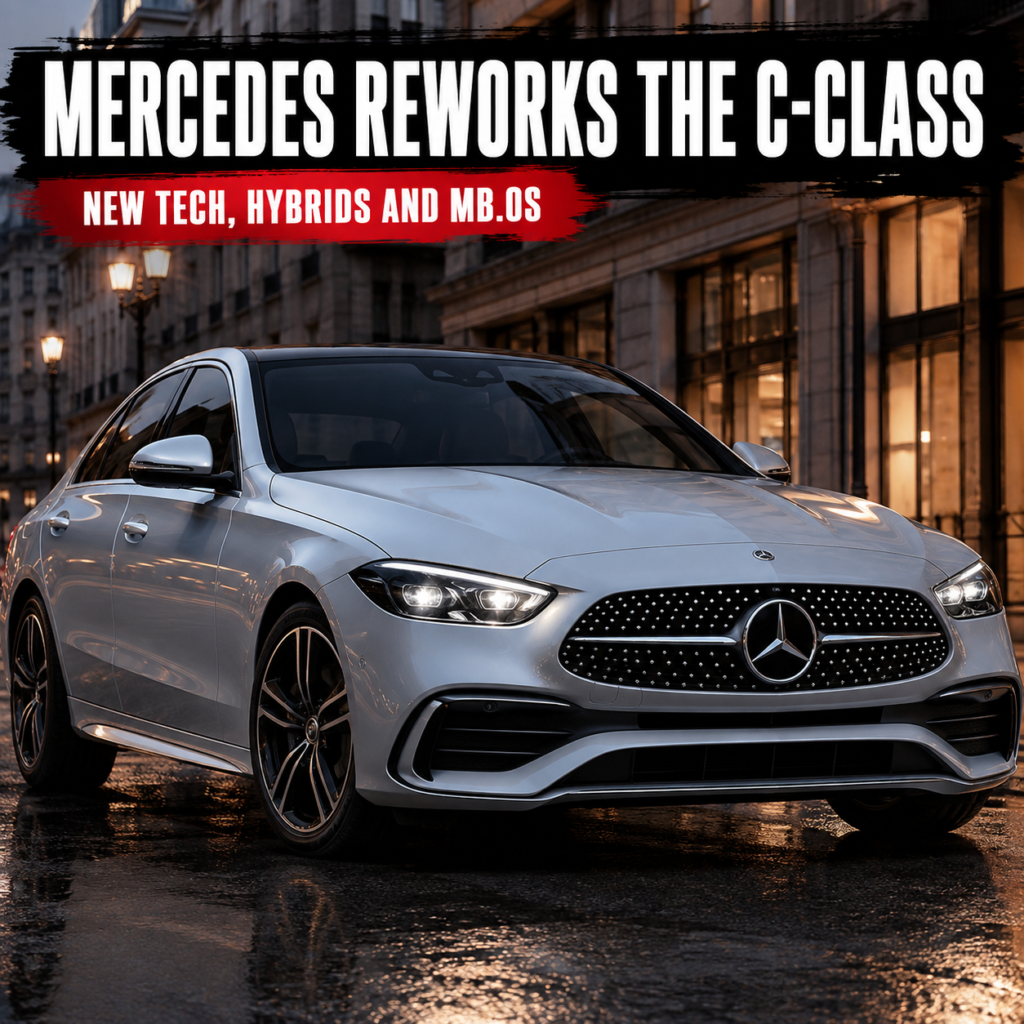
Mercedes completely reworks the C-Class underneath while keeping the familiar shape
Mercedes-Benz has carried out the most extensive technical update in the history of the C-Class, even though the car may initially look like a conventional facelift. The German manufacturer has deliberately preserved the familiar proportions of the saloon and estate, limiting the exterior changes to a more expressive grille, revised lighting graphics and updated body details. Underneath, however, the car has been transformed far more substantially: the engine range has been revised, the chassis has been updated, the interior has been refreshed, new driver-assistance systems have been introduced, and most importantly, the C-Class now adopts Mercedes’ proprietary MB.OS operating system.For Europe, one of the most significant elements is that Mercedes is not abandoning combustion engines. The updated C-Class will continue to be offered with petrol and diesel four-cylinder engines, integrated mild-hybrid technology and plug-in hybrid versions. The PHEV models are expected to provide up to around 100 kilometres of electric driving under WLTP conditions. The powertrains have also been developed with future Euro 7 requirements in mind. The result is a particularly revealing transition model: Mercedes is introducing fully electric vehicles at the same time as it continues to invest heavily in highly developed hybrid and combustion-powered cars.That makes the new C-Class much more interesting than a normal mid-cycle facelift.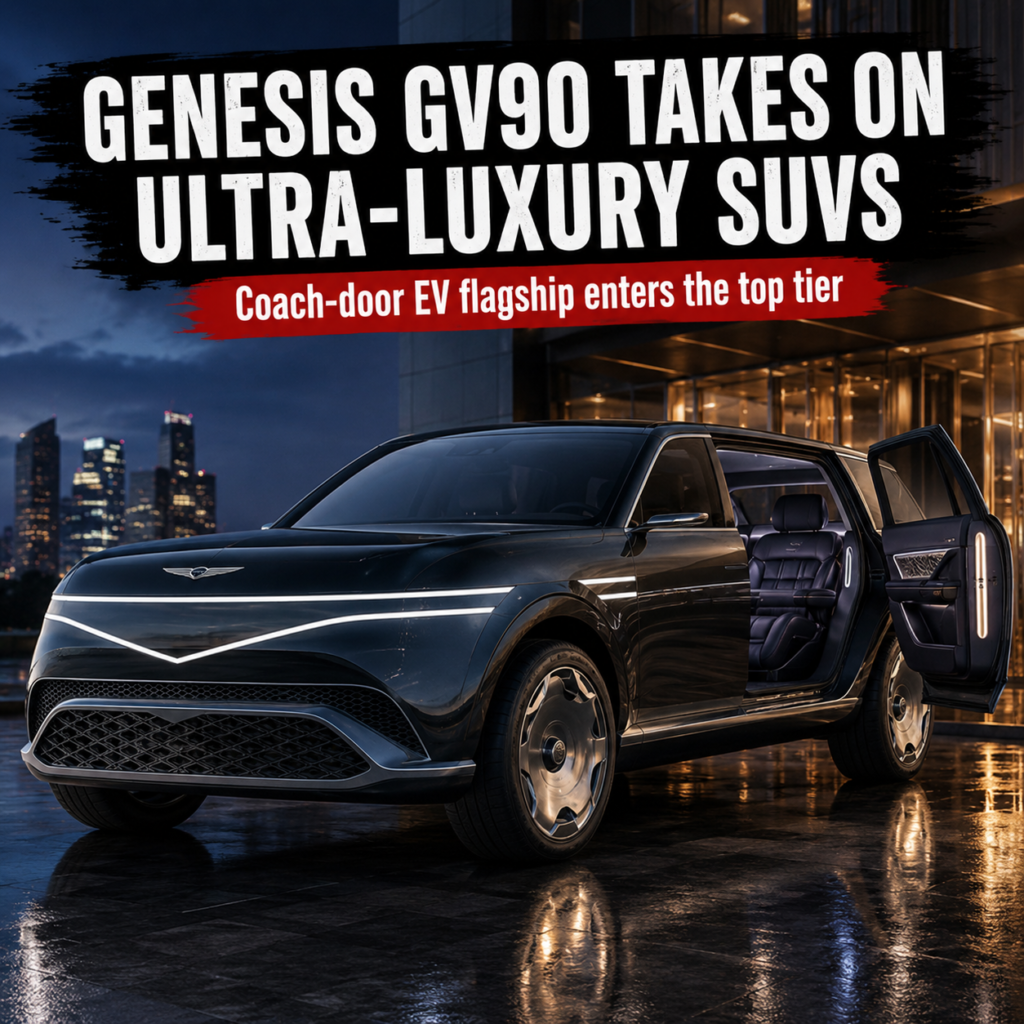
Genesis GV90 pushes Korean luxury into the ultra-premium electric SUV segment
Genesis has officially unveiled the GV90 as its new flagship and one of the most ambitious vehicles in the brand’s modern history. This is not simply another large electric SUV added to an increasingly crowded market. Genesis is using the GV90 to enter the territory traditionally dominated by the most expensive Range Rover, Mercedes-Benz and BMW models, where buyers are paying not only for technology and comfort but also for status, craftsmanship and exclusivity. The significance of the model therefore goes far beyond its specifications: a Korean premium brand is now openly presenting itself as a direct competitor at the very top of the global luxury SUV market.The most dramatic version is the GV90 Neolun, which introduces rear-hinged coach doors and an unusual hidden B-pillar arrangement designed to create an exceptionally wide entrance to the cabin. Such a feature is normally associated with Rolls-Royce and extremely expensive bespoke vehicles rather than mainstream electric SUVs. Genesis is deliberately using that symbolism. The company is no longer asking buyers to see its cars as highly equipped alternatives to established European luxury brands. With the GV90, it is trying to build a product that can be considered desirable on its own terms and capable of competing for customers who are prepared to spend heavily on the experience of luxury itself.The GV90 is important because Genesis intends it to change the perception of the entire brand.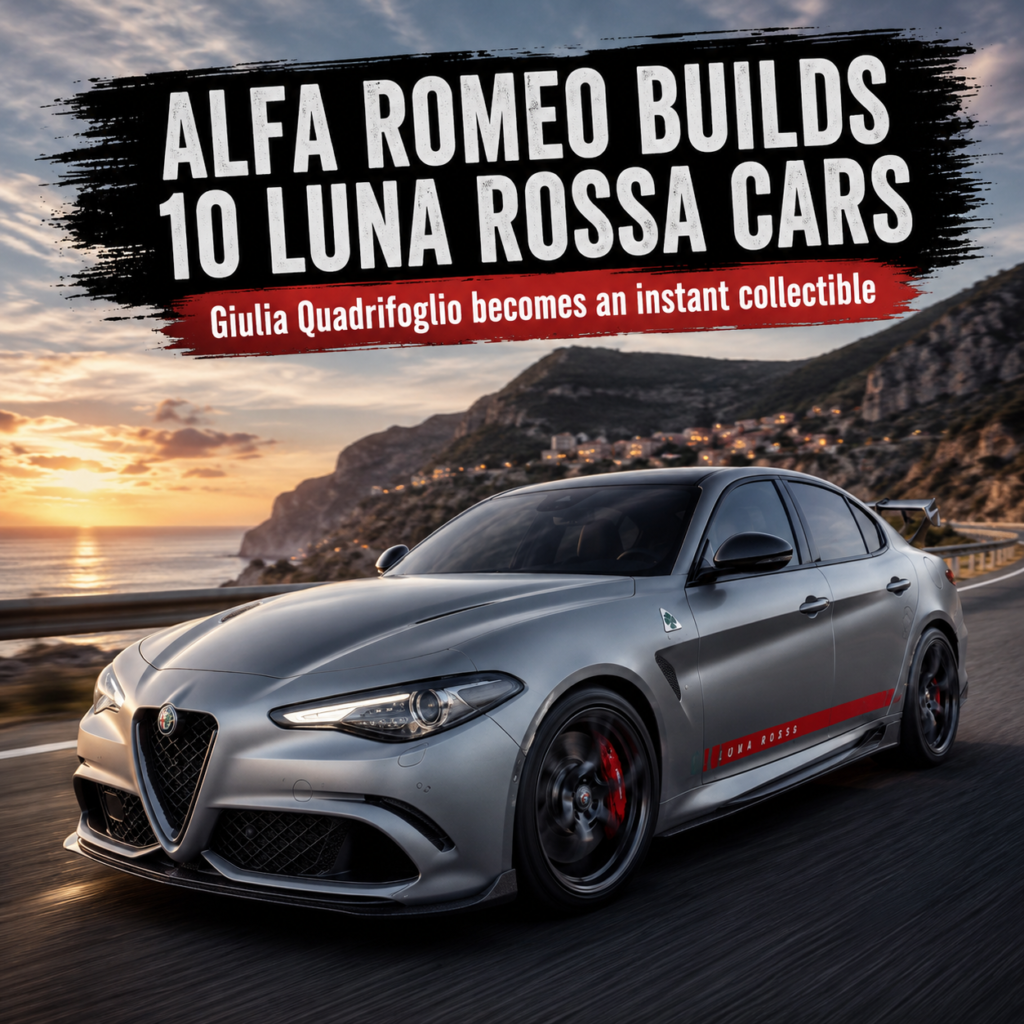
Alfa Romeo turns Giulia Quadrifoglio Luna Rossa into a ten-car collectible
Alfa Romeo has created the Giulia Quadrifoglio Luna Rossa, an ultra-limited version of its high-performance sports saloon produced in only ten examples worldwide. Developed through BOTTEGAFUORISERIE, the new bespoke division shared by Alfa Romeo and Maserati, the car is also the first major automotive project resulting from Alfa Romeo’s partnership with the Italian Luna Rossa sailing team. All ten cars have already been allocated to buyers, placing the model immediately in the category of vehicles that are effectively collectible before they even begin appearing in private garages.The mechanical foundation remains the familiar Giulia Quadrifoglio with its 2.9-litre twin-turbocharged V6 producing 520 hp, but the project goes far beyond a special paint scheme or numbered badge. Alfa Romeo and Luna Rossa engineers worked together on a new carbon-fibre aerodynamic package capable of generating dramatically more downforce than the standard Quadrifoglio. At 300 km/h, Alfa Romeo says the car can produce around 140 kilograms of aerodynamic load. Combined with its extremely limited production run, specialised materials and direct connection to one of Italy’s best-known competitive sailing teams, the result is a road car designed almost as much for future collections as for conventional ownership.The Giulia Quadrifoglio Luna Rossa arrives as Alfa Romeo and Maserati attempt to build a more structured business around exclusive commissions, limited-edition vehicles and highly personalised projects.