Search results

Hungary Reviews Orbán-Era Waste Concession Amid Allegations of Systemic Corruption
The government of Péter Magyar has launched a comprehensive review of Hungary’s waste-management system and the 35-year concession under which a large part of the sector has been controlled by MOHU, a subsidiary of the oil and gas group MOL, since July 2023. The decision follows repeated complaints about the quality of the operator’s services, disruptions in waste collection and questions over whether investment commitments and environmental targets have been met. Magyar has said that the company is failing to fulfil some of its obligations and performance goals, while the government now intends to examine not only MOHU’s current operations but also the basic structure of the concession itself.The case carries much broader political significance because the contract was created and awarded under the government of Viktor Orbán and attracted criticism from the beginning over its duration, structure and the concentration of a vast state-controlled market in the hands of a single operator. MOL was the only participant in the tender, while the 35-year duration later became one of the defining features of large concession arrangements associated with the Orbán era. Transparency International Hungary has repeatedly criticised such long-term structures in the context of systemic corruption and state capture, although there is currently no court ruling declaring the MOHU concession itself to be corrupt.
Rheinmetall Could Secure Its Largest-Ever Contract Through the US Army’s XM30 Programme
German defence group Rheinmetall is competing for one of the largest military vehicle programmes in recent years, with the potential value of the XM30 contract exceeding $45 billion. The programme is intended to replace the US Army’s Bradley infantry fighting vehicles with a new generation of tracked combat vehicles, and the total requirement could reach around 4,000 units. Rheinmetall has already delivered its first prototype to the US Army, with seven more expected to follow during the next stages of evaluation. If the company ultimately wins the competition, the project would become the largest contract in Rheinmetall’s history and would significantly expand the company’s role inside the American defence market.The importance of the programme goes far beyond the immediate commercial value. A European defence manufacturer is not simply supplying ammunition, electronics or individual components, but is competing for a central role in one of the US Army’s most important ground-force modernisation projects. The XM30 programme will help define the future structure of American mechanised forces, and the successful bidder would gain a long-term position inside one of the world’s largest and most demanding defence procurement systems. For Rheinmetall, that would represent a major strategic breakthrough and a significant step beyond its already expanding role in European defence.
Germany and Russia Accelerate the Dismantling of Diplomatic and Cultural Ties in Europe
Russia’s decision to close Goethe-Institut branches in Moscow, St. Petersburg and Yekaterinburg marks another step in the rapid deterioration of relations between Moscow and Berlin, which is now moving beyond sanctions, diplomatic statements and traditional expulsions of embassy personnel. Russian authorities announced the measure as a response to Germany’s decision to close the Russian consulate general in Bonn and end the activities of the Russian House in Berlin after the German government accused Russia of responsibility for an alleged attempt to attack Leipzig/Halle Airport with an explosives-equipped drone. Moscow rejects those accusations and describes them as politically motivated.The broader significance of the dispute is that European governments are increasingly looking at Russian diplomatic, consular and cultural structures not only as traditional instruments of international relations but also through a security lens. Germany has already moved from restrictions on individual Russian diplomats toward the closure of entire institutions, while across Europe officials are considering additional ways to reduce the operational space available to Russian state structures. One of the more restrictive models under discussion in various capitals is the possibility of maintaining full diplomatic relations primarily through central embassies while reducing or closing regional consulates, cultural centres and other state-linked representations.
Finland Holds Europe’s Largest Civil Defence Exercise Since World War II
Finland is holding what has been described as Europe’s largest civil defence exercise since the end of World War II, with more than 2,000 people taking part in Kuopio. The scenario is designed around a large-scale crisis in which several essential systems fail at the same time. Participants are training for cyberattacks, power and water outages, missile threats, communications disruption and possible radioactive contamination. A significant part of the exercise is taking place in the Savilahti Luola underground complex, which normally serves as a sports and public-events facility but can be converted into a protected shelter for thousands of people if conditions outside become unsafe.The exercise reflects how much European security planning has changed since Russia’s full-scale invasion of Ukraine. Governments are no longer focusing only on military budgets, weapons procurement and the readiness of armed forces. Finland is also preparing municipal services, energy companies, rescue organisations, students, volunteers and ordinary residents for the possibility of prolonged disruption to everyday life. The Finnish approach assumes that in a serious conflict, civilians would have to deal not only with direct military threats but also with the loss of electricity, water, communications and transport. The ability of society to continue functioning under those conditions has therefore become part of national defence.
Munich Arson Investigation Adds to Concerns Over Attacks on German Defence Infrastructure
An arson incident near the headquarters of Rohde & Schwarz in Munich has taken on wider significance because of the company’s role in defence and security technology. German investigators are examining the fire after two Bulgarian citizens, a 28-year-old woman and a 38-year-old man, were detained in connection with the case. The incident caused no major damage, but the location has attracted particular attention because Rohde & Schwarz develops electronic systems used in communications, monitoring and counter-drone technology. In isolation, a limited fire near an industrial site might be treated as a local criminal matter. In the current German security environment, however, investigators are looking at the event against a broader series of suspicious incidents affecting critical and defence-related infrastructure.That wider context is important. Germany has recently been dealing with investigations into two suspected sabotage incidents involving power-grid infrastructure, as well as the suspected drone attack connected with Leipzig/Halle. None of these cases should automatically be treated as part of one coordinated campaign before investigators establish the evidence. At the same time, the concentration of incidents around energy systems, transport infrastructure and companies involved in defence technology has increased concern inside Germany about whether hostile actors are testing vulnerabilities or using intermediaries to create disruption.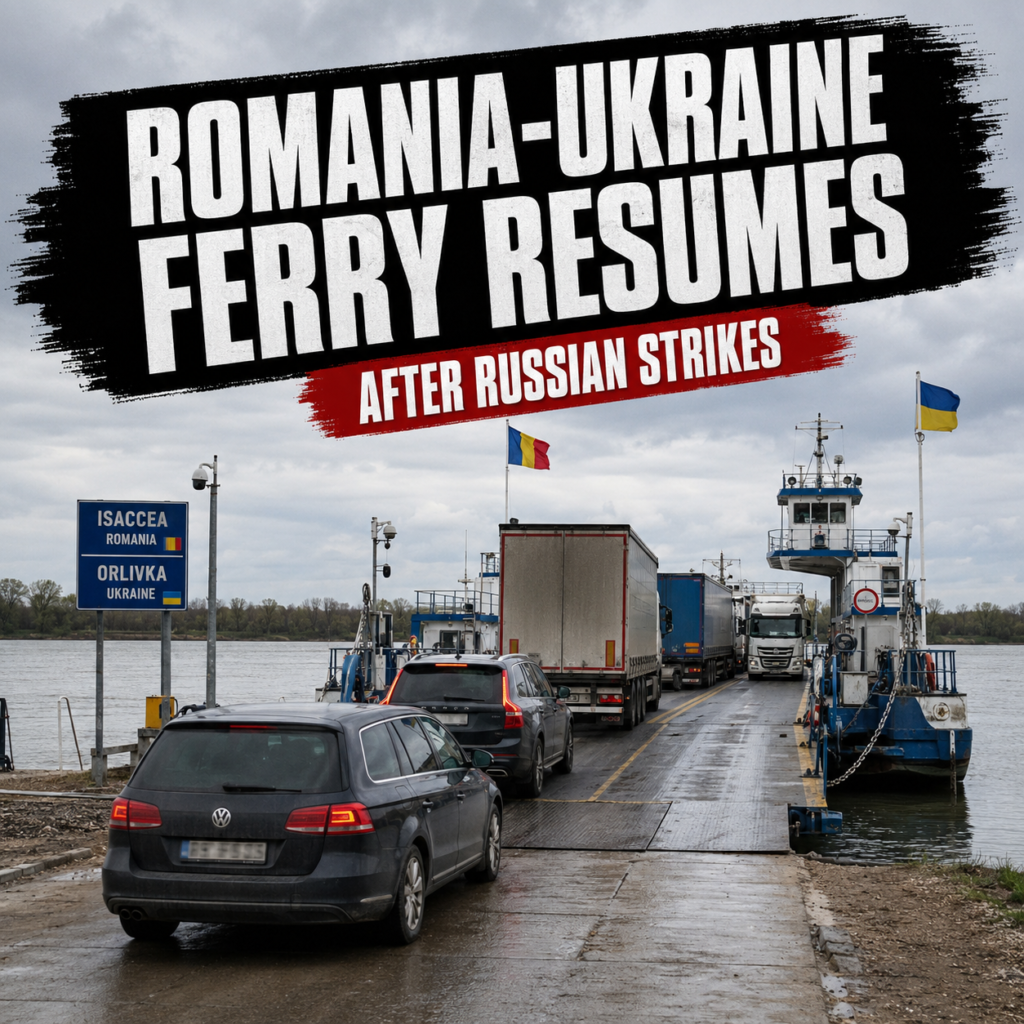
Russian Drone Strikes Disrupt Romania-Ukraine Ferry and Increase EU Economic Costs
The ferry crossing between Isaccea in Romania and Orlivka in Ukraine has resumed operations after a temporary shutdown caused by Russian drone attacks on Ukrainian infrastructure in the Odesa region. The crossing over the Danube was suspended after damage on the Ukrainian side made normal passenger and vehicle processing impossible and forced traffic to move through alternative routes. Although the crossing itself is relatively small compared with Europe’s major ports and motorway corridors, the disruption illustrates how even a limited interruption can create immediate economic consequences for transport operators, businesses and border infrastructure in Romania, Moldova and other parts of the European Union.The financial impact extends well beyond the ferry operator itself. When the crossing is closed, hundreds of cars and commercial vehicles may have to use longer routes through other border points, often involving transit through Moldova. That means additional driving time, higher fuel consumption, delays in deliveries, longer working hours for drivers and greater pressure on neighbouring checkpoints. Depending on traffic volumes and the length of the closure, the combined economic impact can quickly rise into hundreds of thousands of euros per day when transport costs, business delays, fuel consumption and lost time are considered together.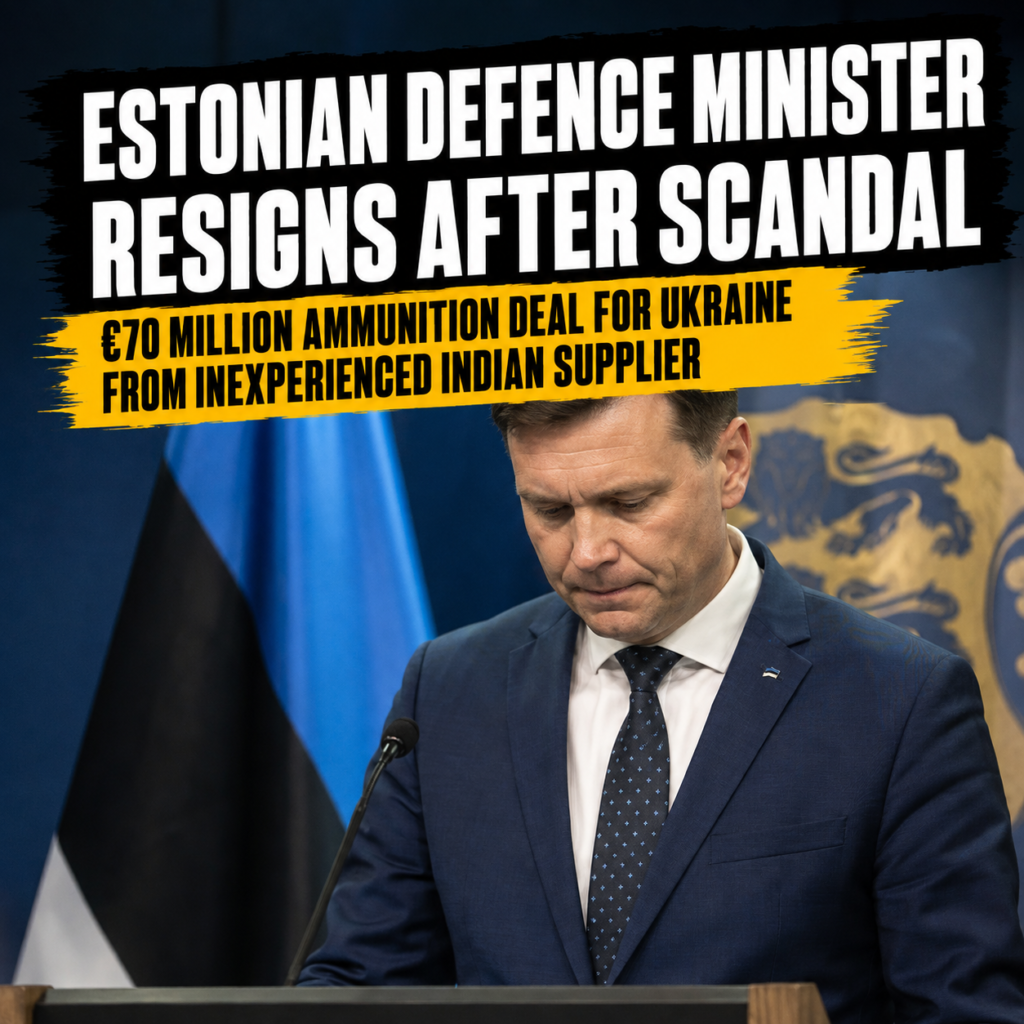
Estonian Defence Minister Resigns After €70 Million Ammunition Procurement Failure for Ukraine
Estonian Defence Minister Hanno Pevkur announced his resignation on 2 September 2026 after a major controversy over a defence procurement contract intended to supply artillery ammunition to Ukraine. The approximately €70 million deal was arranged in 2024, when Ukrainian forces were facing an acute shortage of artillery ammunition and European governments were urgently searching for suppliers outside their traditional defence networks. The contract involved an Italian-registered company connected to Indian manufacturer Neco Defence Munitions, which did not have an established record of producing and delivering artillery ammunition on the scale required. Estonia paid the contract in advance, deliveries were delayed, and ammunition that eventually arrived was reported to have serious quality problems and to be unsuitable for operational use.Pevkur has denied personally selecting the supplier or negotiating the contract, but said he was prepared to accept political responsibility for failures within the defence sector. The controversy has become particularly sensitive because Estonia has dramatically increased military spending since Russia’s full-scale invasion of Ukraine and has simultaneously become one of Kyiv’s strongest supporters relative to the size of its economy. The case therefore raises questions extending beyond one procurement decision.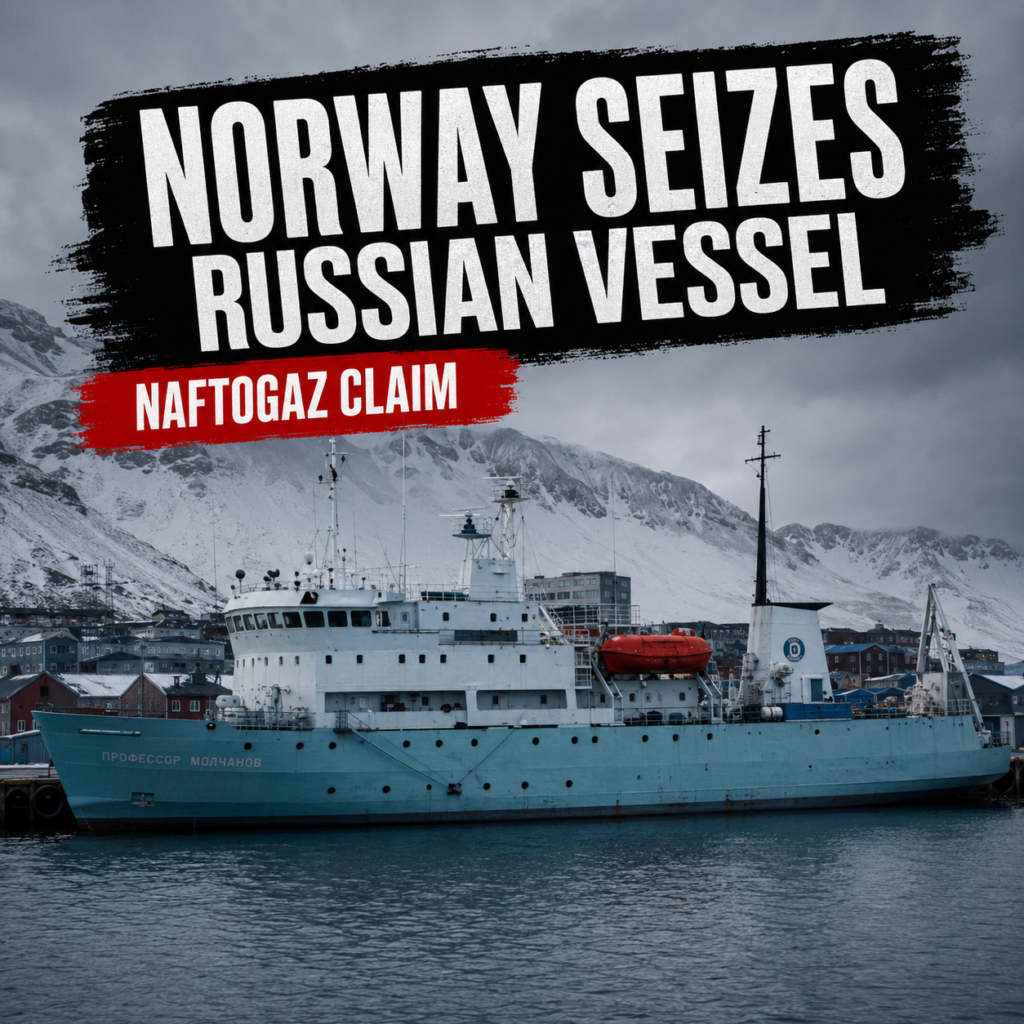
Norway Seizes Russian Vessel as Naftogaz Pursues $4.22 Billion Crimea Award
Norwegian authorities have seized the Russian vessel Professor Molchanov at the port of Barentsburg on Svalbard after an application by Ukraine’s Naftogaz seeking enforcement of an international arbitration award against the Russian Federation. The Nord-Troms and Senja District Court ordered the measure on 31 August 2026. Under the order, the vessel is not permitted to leave its current location, and the Governor of Svalbard is responsible for ensuring that it remains there. Naftogaz says the ship is owned by the Russian Federation and is used for commercial expedition cruises, including voyages to Svalbard. The action is connected to an arbitral award worth approximately $4.22 billion, plus interest and costs, arising from the expropriation of Naftogaz assets in Crimea after Russia’s annexation of the peninsula in 2014.The significance of the Norwegian action lies in the transition from a legal judgment to an enforcement measure against a specific Russian state asset. Naftogaz has spent years pursuing compensation through international arbitration and subsequent recognition proceedings in foreign jurisdictions. The company says the award had already been recognised as enforceable in Norway before the court authorised the seizure of Professor Molchanov. That sequence is important because an arbitration award does not automatically result in payment.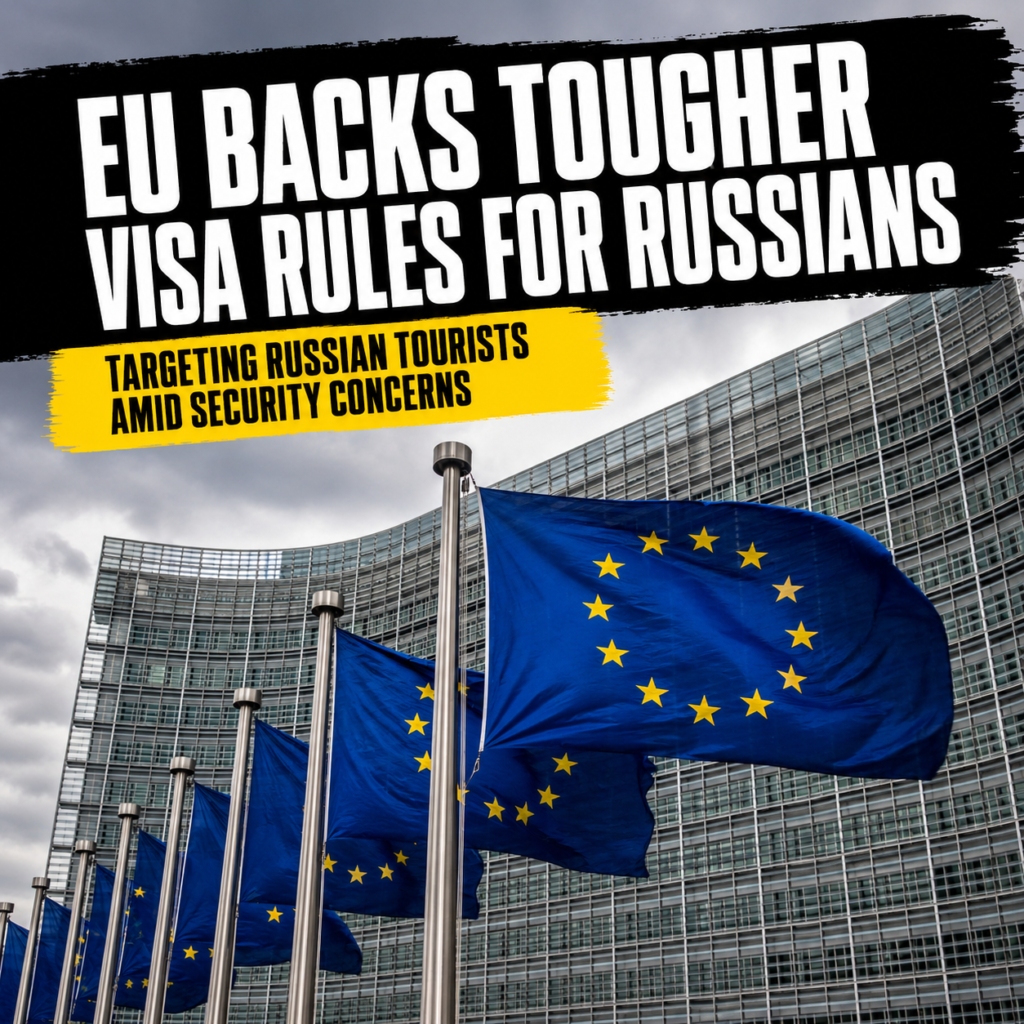
EU Moves Toward Tougher Visa Restrictions for Russian Tourists Amid Security Concerns
The European Union is moving closer to further tightening entry rules for Russians, with the debate increasingly shifting away from ordinary visa policy and toward internal security. On 2 September 2026, EU foreign ministers discussed additional measures against Russia after Germany formally accused Moscow of responsibility for the suspected Leipzig operation. Travel and visa restrictions for Russian nationals are again among the possible responses. No complete EU-wide ban on Russian tourism has been adopted, but the political direction is becoming clearer: a growing number of European governments believe that normal tourist access from Russia is becoming increasingly difficult to justify while the war against Ukraine continues and European security services investigate more cases of sabotage, covert activity and hybrid threats.For Russians planning holidays, family visits or other non-essential travel to Europe, the situation is already much more restrictive than it was only a few years ago. The EU has ended the simplified visa regime with Russia, visa checks have become more demanding and multiple-entry arrangements have been significantly reduced. Several governments now want to go further and focus specifically on tourism.