
Search results

The Earth’s Ozone Layer Is Recovering as More Than 99 Percent of Ozone-Destroying Chemicals Have Been Phased Out
The ozone layer, which for decades was considered one of the most alarming examples of human impact on the atmosphere, is gradually recovering. International scientific assessments show that thanks to the Montreal Protocol, the production and consumption of controlled ozone-depleting substances have been reduced by about 99 percent. This means that concentrations of many of the most dangerous compounds in the atmosphere are declining, while natural processes are gradually restoring the stability of stratospheric ozone. At the same time, recovery is happening slowly because substances accumulated in the atmosphere over decades of industrial use can remain there for a very long time. As a result, positive changes are not immediate but become visible through long-term scientific observations.For scientists, this story is especially important because it demonstrates how effective international environmental agreements can be when they are based on scientific evidence and implemented by countries around the world. In 1987, nations agreed to gradually phase out chlorofluorocarbons and other compounds capable of destroying ozone. These measures helped stop the rapid deterioration of the ozone layer. According to current assessments, if existing policies remain in place, the global ozone layer could return to approximately its 1980 level around 2040, over the Arctic around 2045, and over Antarctica around 2066.
UN Supports a New Approach to World Maps That Shows the True Size of Africa More Accurately
The United Nations General Assembly supported a resolution on September 4, 2026, calling for wider use of map projections that represent the actual sizes of continents more accurately. The initiative was introduced by Togo with support from countries of the African Union and is aimed primarily at reducing excessive reliance on the famous Mercator projection, which has been used around the world for centuries. On familiar maps, territories located closer to the poles appear significantly larger, while regions around the equator look much smaller. As a result, Africa can appear visually comparable in size to Greenland on many maps, even though the African continent is roughly fourteen times larger than Greenland in area.The initiative is not about banning old maps or completely replacing every existing navigation system. The UN resolution is not legally binding and instead encourages countries and international organizations to gradually use more accurate alternatives, particularly in education and public materials. One of the main options mentioned is the Equal Earth projection, created in 2018 to provide a more realistic representation of the relative areas of continents. During the vote on September 4, 2026, the document received 164 votes in favor, one vote against, and six abstentions.
American Elm Is Making a Comeback as Scientists Work to Save the Tree from Extinction
The American elm, once one of the most recognizable trees across North America, is being given a new chance to return. During the 20th century, huge populations of Ulmus americana were devastated by Dutch elm disease, a fungal infection spread by bark beetles. The disease can move rapidly from one tree to another, attacking the tree’s vascular system and eventually causing the crown to wilt and die. As a result, cities, rural areas, and river valleys lost enormous numbers of mature elms that had shaped the landscape for generations. Scientists are now trying to use rare trees that survived the epidemic to rebuild the population through selective breeding and genetic research. The goal is not simply to preserve a few remarkable specimens, but to create new generations of trees that can survive the disease and return to natural ecosystems.A major part of this effort is taking place in Vermont, where researchers are studying thousands of young American elms and testing their ability to withstand Dutch elm disease. Scientists deliberately expose the trees to the pathogen so they can identify which individuals show the strongest resistance. The trees that survive become especially valuable for further breeding and the development of seed orchards. The process may appear harsh, but researchers consider it necessary because controlled exposure provides a way to distinguish genuine genetic resistance from simple survival under favorable conditions.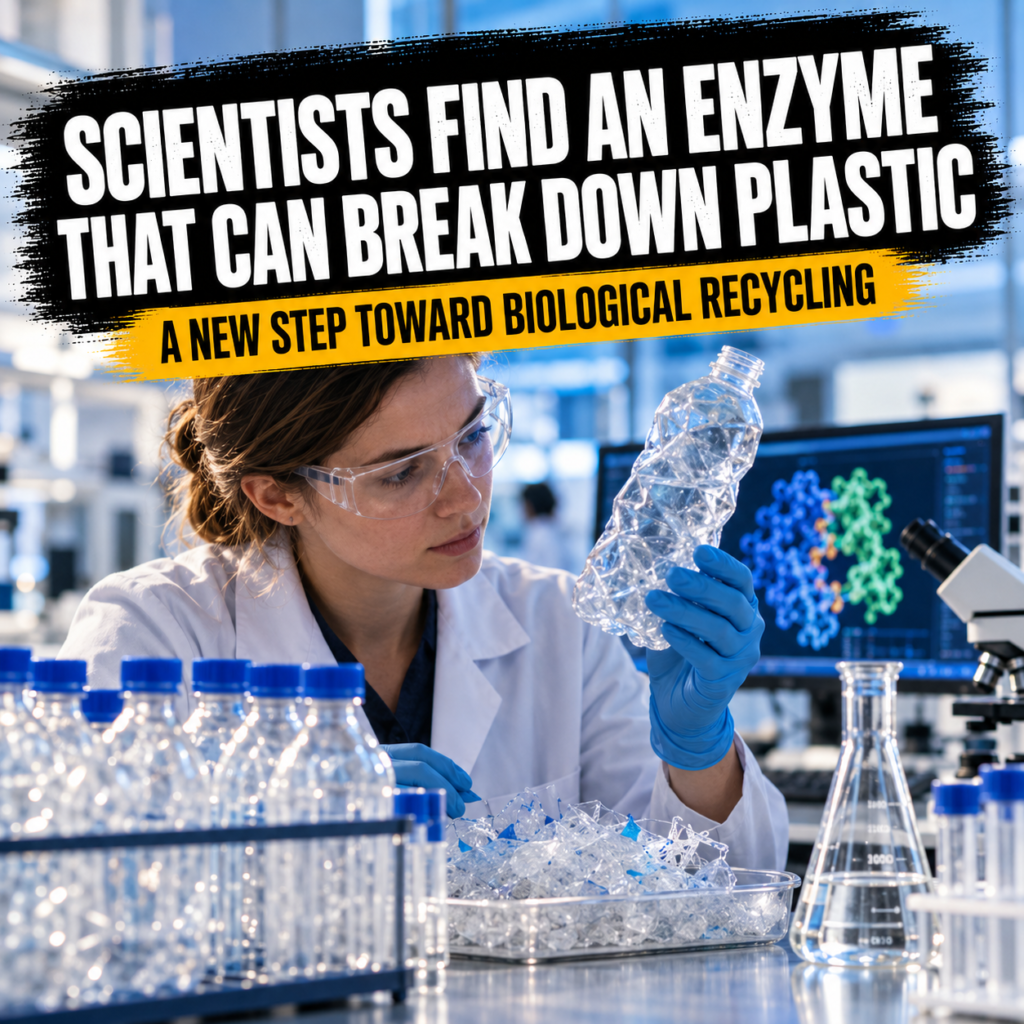
Scientists Have Found an Enzyme Capable of Breaking Down Some Common Plastic
For decades, plastic has been considered a material that is extremely difficult to return to nature or completely break apart without complex industrial processes. Polyethylene terephthalate, or PET, has proven particularly resistant to natural degradation. It is used to make plastic bottles, food packaging and many synthetic textile materials. Researchers are now developing an approach that could change how this material is recycled. Scientists have discovered and engineered enzymes capable of breaking down PET at the molecular level, turning long polymer chains into simpler compounds that could potentially be used again. This does not mean that plastic waste can already be completely dissolved using a single substance, but the results show that biological recycling is becoming increasingly sophisticated and potentially more practical.One particularly promising development involves using modern computational methods to search for previously unknown enzymes. In a 2026 study, researchers analyzed hundreds of millions of protein sequences using deep-learning methods and identified a new enzyme called AhPETase. It demonstrated the ability to break down PET at around 37°C, while an engineered version of the enzyme remained active for an extended period. Researchers also demonstrated its ability to act on PET microplastics, an important result for potential future technologies aimed at dealing with plastic contamination.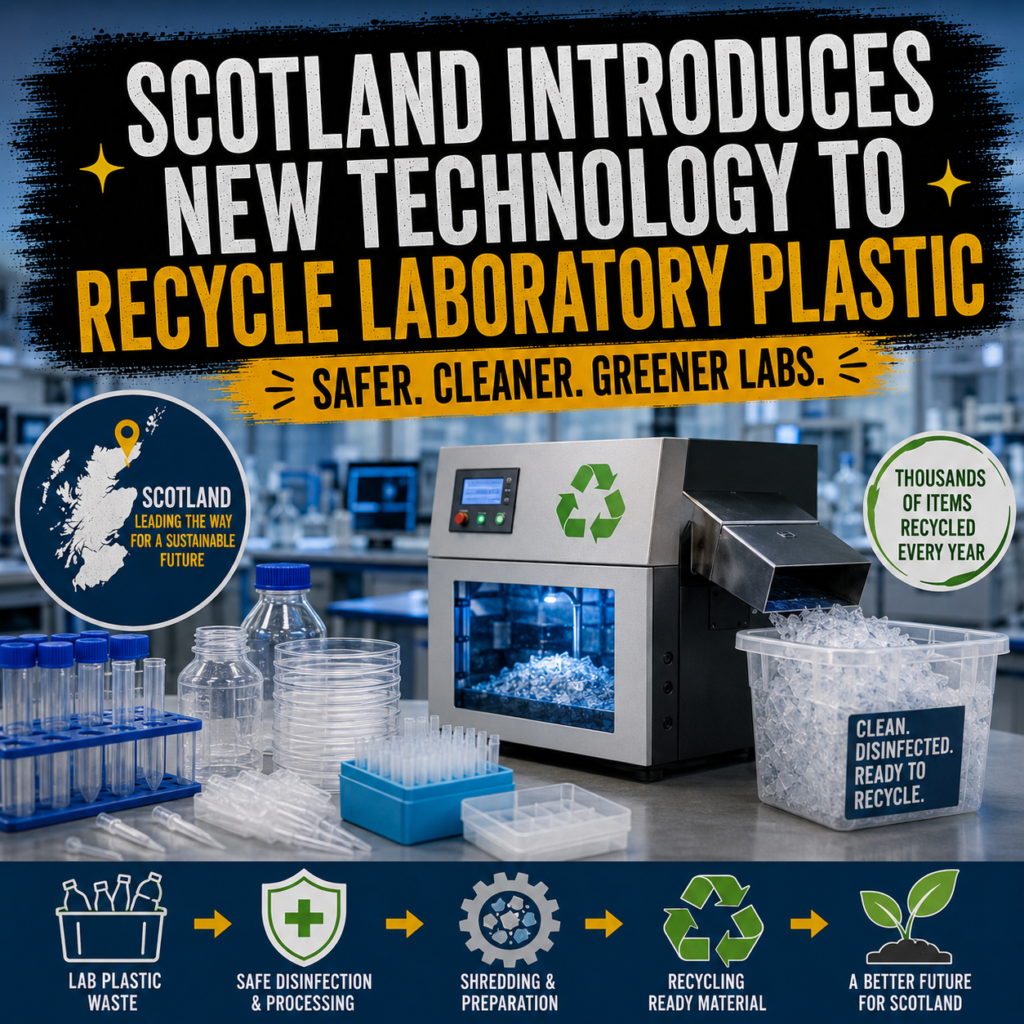
Scotland Is Introducing a New Technology to Recycle Plastic Waste from Laboratories
Laboratories use enormous amounts of single-use plastic every day because sterile and disposable equipment is essential for accurate and safe scientific work. Test tubes, sample bottles, Petri dishes, pipette tips, containers, and other plastic items are routinely discarded after use. In many cases, this material cannot simply enter conventional recycling systems because it may have been in contact with biological substances or other potentially hazardous materials. As a result, large quantities of laboratory plastic have traditionally been sterilized and then sent for incineration or disposal. Scotland is now beginning to change this approach by introducing technology that can safely process certain types of laboratory plastic after use and prepare the material for recycling.One of the notable projects is being developed within Scottish Water, whose laboratories conduct around three million analytical tests each year. These operations require significant quantities of disposable plastic equipment, making laboratory waste an important part of the organization's overall environmental footprint. The new approach combines disinfection with mechanical processing, allowing certain plastic materials that could previously have been difficult to recycle because of potential microbiological contamination to enter a different waste-management pathway.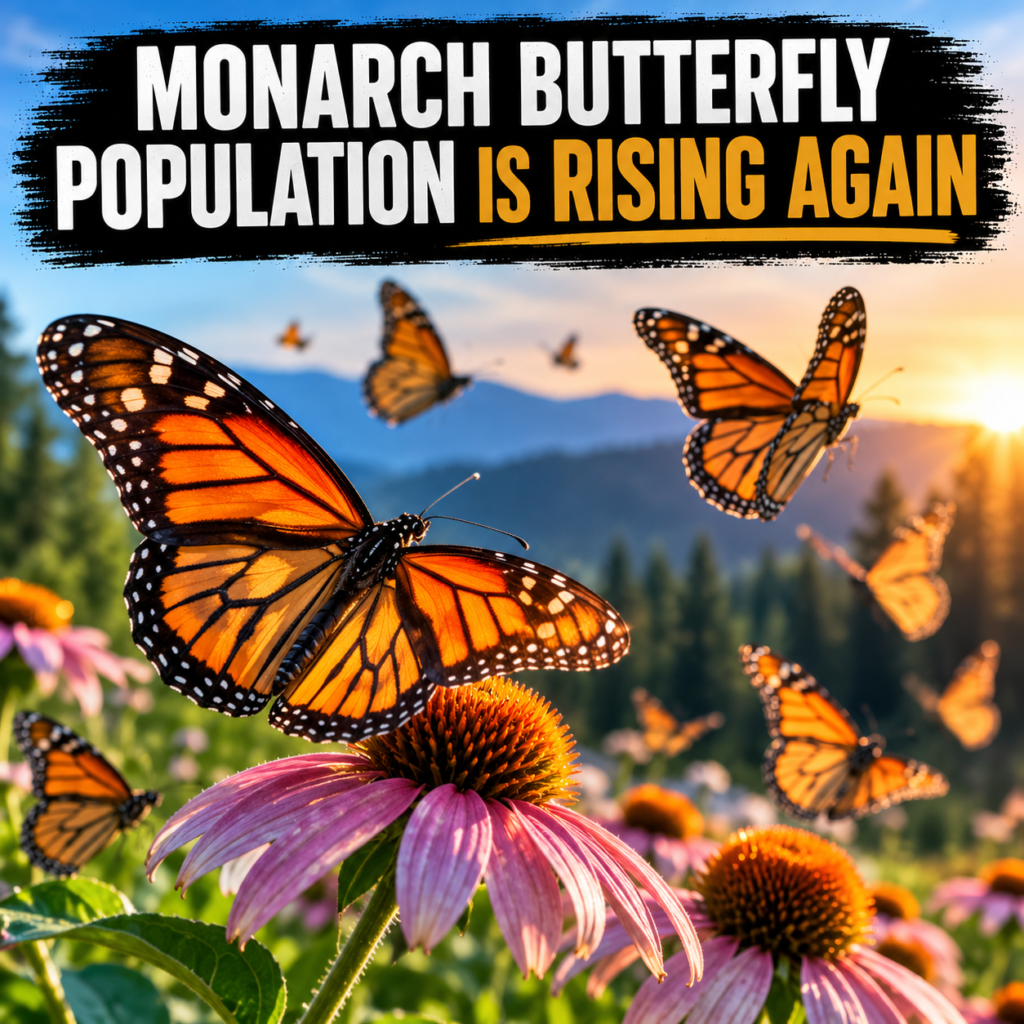
Monarch Butterfly Population Is Rising Again, Offering Hope for the Recovery of a Famous Species
Monarch butterflies have received a new reason for cautious optimism: monitoring of overwintering colonies has shown a noticeable increase in the forest area occupied by these insects. During the 2025–2026 season, the figure reached approximately 2.93 hectares, compared with about 1.79 hectares the previous season. The increase was significant and continued the positive trend observed after several difficult years. This is particularly important for monarchs because their population has declined for decades due to habitat loss, changes in climate, the reduction of food plants, and other factors affecting their complex migratory system.However, scientists do not consider the current increase to be a complete recovery. Historical figures were considerably higher, and the population still faces serious threats throughout its migration route. Monarchs spend the winter in mountain forests, move north in spring and summer, reproduce over several generations, and eventually return south. As a result, the species depends not on a single region but on many different habitats used by successive generations. The increase in overwintering colonies suggests that conservation efforts and favorable conditions can produce results, but long-term recovery will require sustained work.During the 2025–2026 season, researchers recorded nine overwintering monarch colonies in central Mexico.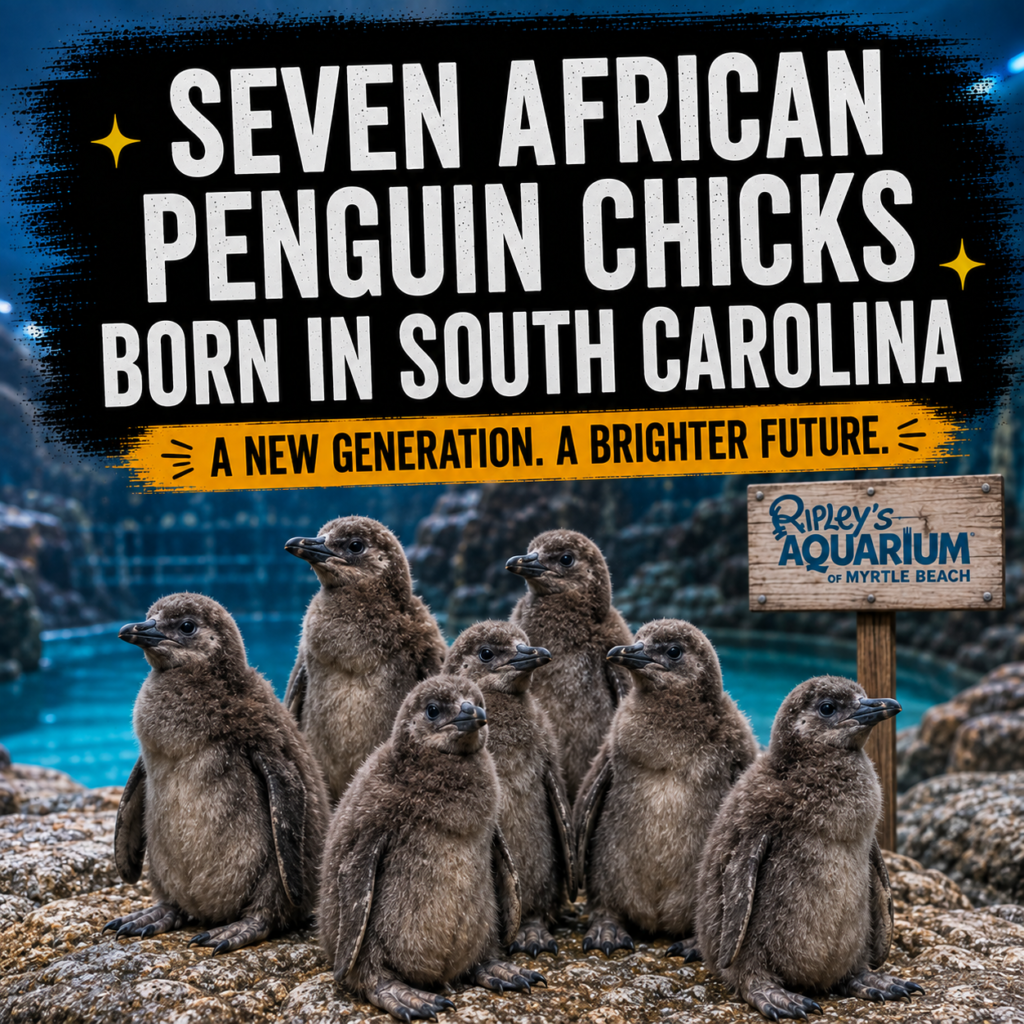
Seven African Penguin Chicks Have Been Born in South Carolina, Bringing New Hope for a Threatened Species
At Ripley’s Aquarium of Myrtle Beach in South Carolina, 2026 has been an especially successful year for its African penguin colony. Seven chicks have been born, with the youngest hatching on July 30. The first two chicks arrived in May, followed by five more in June and July. For the aquarium’s specialists, the result represents an unusual achievement because raising several young penguins at the same time requires constant observation, careful care, and close attention to the condition of every bird. All seven chicks are progressing through important stages of development and are gradually becoming more independent.The event matters far beyond a single colony. The African penguin is considered one of the most threatened seabird species, and its wild population remains extremely low. The arrival of seven healthy chicks at the same time is therefore an important result for conservation efforts. In an aquarium environment, specialists can closely monitor the birds’ health, study their behavior and reproduction, and maintain a genetically diverse population. For visitors, the chicks offer an opportunity to see how endangered animals grow, while for scientists and conservation specialists, they provide valuable experience that can contribute to the long-term protection of the species.The first two chicks of the year hatched on May 8 and May 11. They were named Vic and Chelle and became the first offspring of the pair Carson and Scarlett.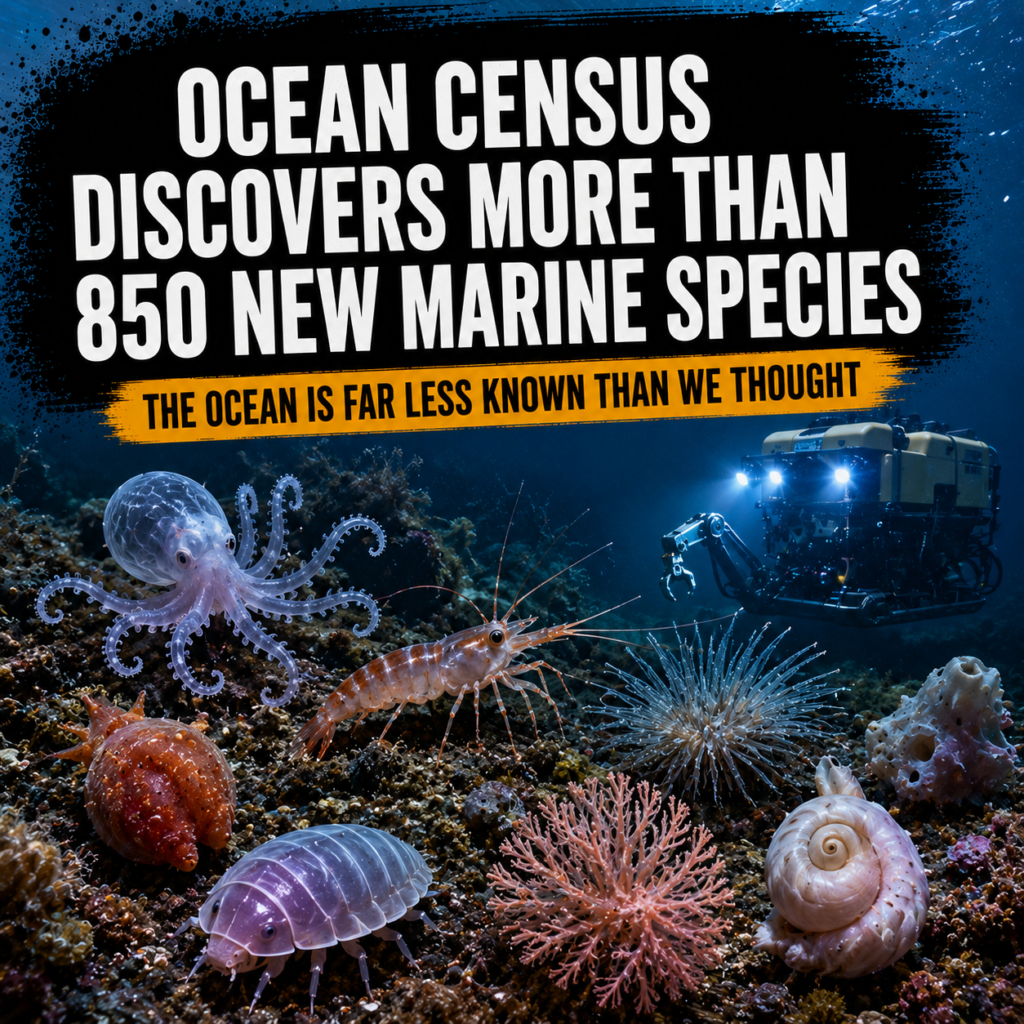
Ocean Census Has Discovered More Than 850 New Marine Species
Scientists working through the Ocean Census program have identified more than 850 marine species that were previously unknown to science, revealing just how much remains undiscovered beneath the surface of the world’s oceans. The discoveries include animals found in deep-sea environments, coral ecosystems, underwater mountains and other habitats that are difficult for researchers to reach. Each newly documented species adds another piece to the enormous biological puzzle of the ocean and provides scientists with a better understanding of how marine ecosystems function.The findings are especially significant because the deep ocean remains one of the least explored environments on Earth. While satellites can map vast areas of the planet’s surface, many underwater habitats have never been examined in detail by scientists. Ocean Census brings together marine biologists, taxonomists, genetic researchers, deep-sea specialists and advanced exploration technologies to search for life and formally document species that have never been recorded before. The growing number of discoveries suggests that the ocean still contains an extraordinary amount of biological diversity.Finding a new species is not simply a matter of seeing an unfamiliar animal underwater. Scientists must carefully collect specimens or genetic material, examine their physical characteristics and compare them with existing scientific records.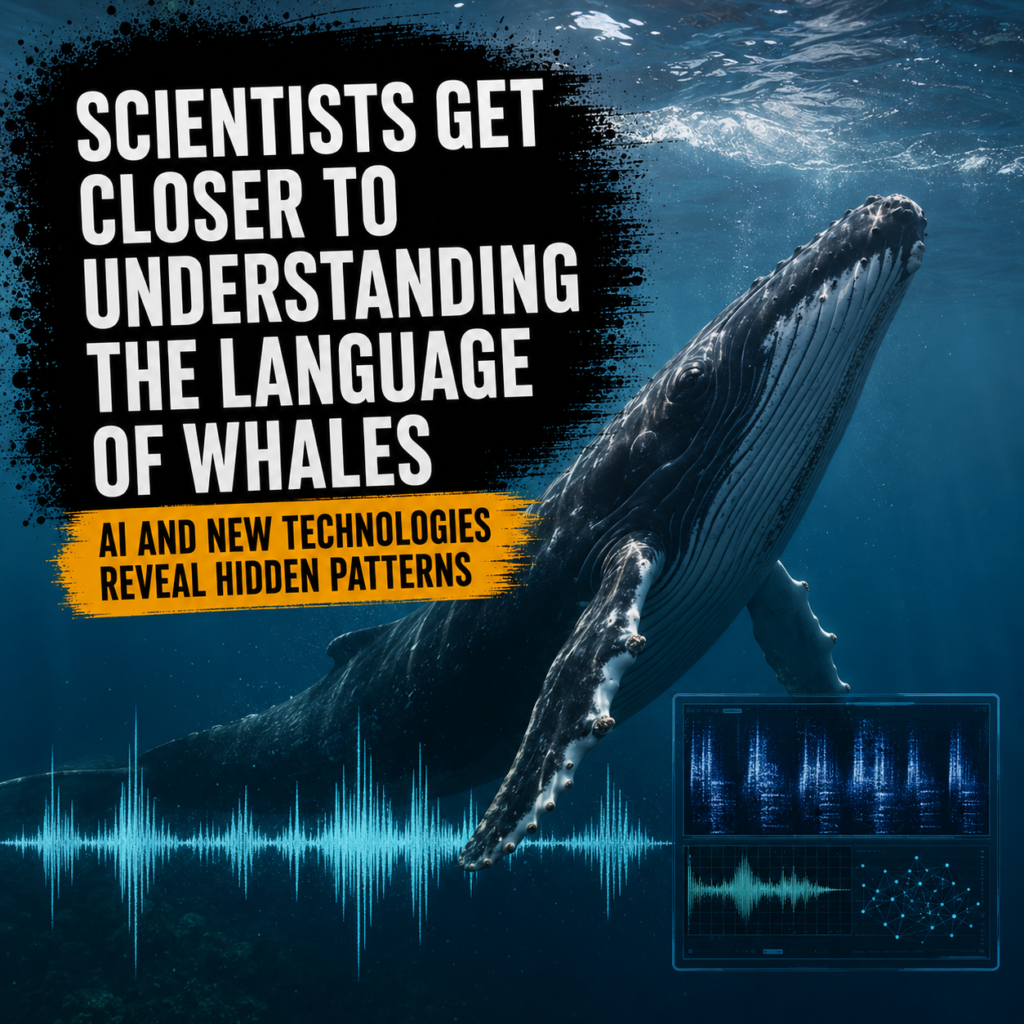
Scientists Are Getting Closer to Understanding the Language of Whales Through AI and New Technology
For decades, whales have remained among the most mysterious animals on Earth, while their voices seemed to humans like beautiful but almost impossible-to-translate sounds. Today, that situation is gradually changing. Scientists are collecting enormous amounts of audio recordings, observing animal behavior at the same time as their vocalizations, and using artificial intelligence to identify patterns that would be impossible to detect through ordinary listening. Sperm whales, in particular, are being studied intensively because they communicate through short sequences of clicks known as codas. Analysis of these signals is already showing that they may be far more complex than previously believed.Scientists are not claiming that they have discovered a direct translation of whale language into human language. The real breakthrough is different: researchers are beginning to see structure where they once heard only individual sounds. Whales appear to change the rhythm, tempo, and sequence of their clicks depending on the situation, synchronize signals with one another, and use different vocal patterns within their social groups. New algorithms allow researchers to compare thousands and even tens of thousands of these signals while connecting them with the animals’ behavior, location, and circumstances of communication.One of the most fascinating subjects of research is the sperm whale, whose communication signals are known as codas.