Search results
Two Rare Parrots Born in Belgium: Every Chick Becomes an Important Step for the Survival of the Species
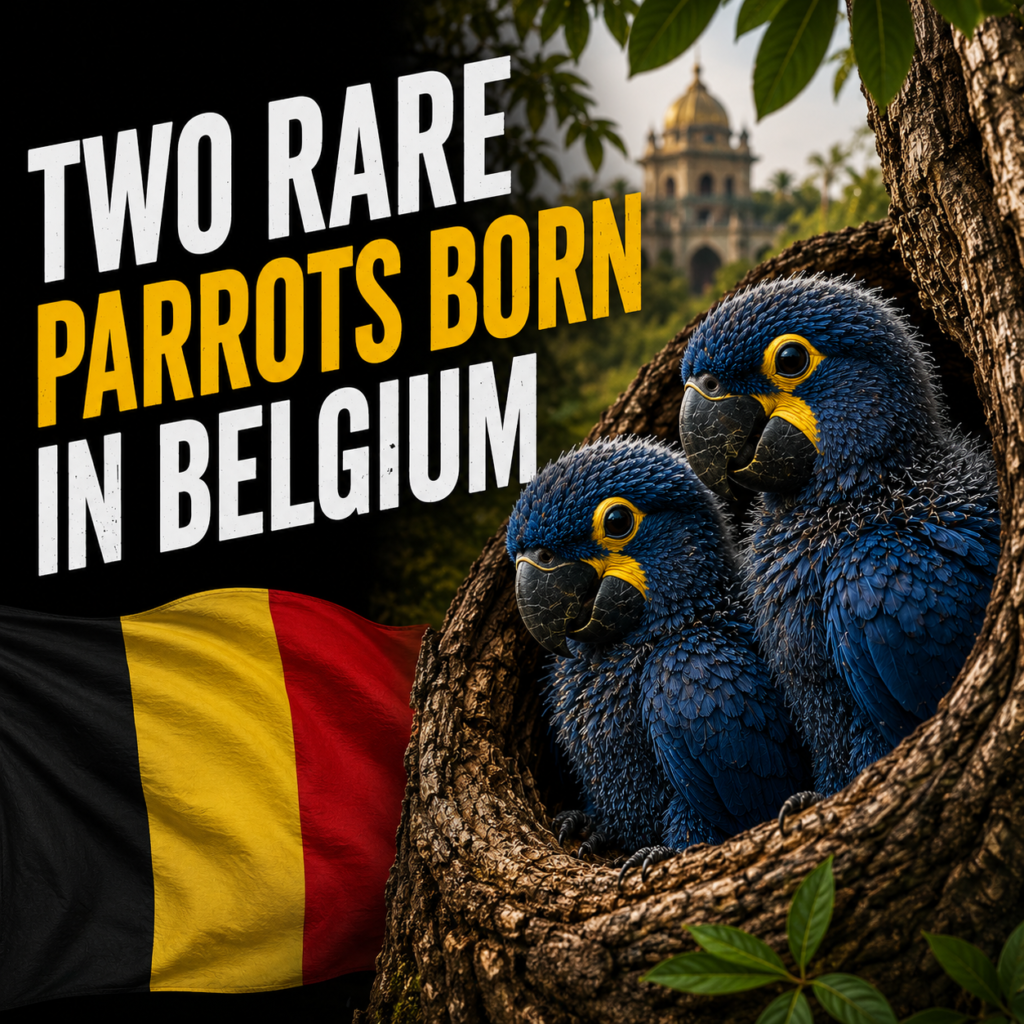
Sometimes, the birth of just two birds can become an event that matters far beyond a single zoo or conservation centre. For most animals, the arrival of offspring is a natural part of life and rarely attracts international attention. But when a species has a limited population, survives only in a small part of the world, and remains difficult to breed successfully even under the care of specialists, every new life takes on special importance. In such cases, two tiny chicks can represent more than simply good news — they can become a valuable contribution to the survival of an entire species.This is exactly what happened in Belgium, where two Lear’s macaw chicks were born at one of the country’s major wildlife conservation centres. This large blue parrot is among the rarest members of the parrot family and is found in the wild only within a limited area of northeastern Brazil. For this reason, the successful birth of new chicks outside its natural habitat is particularly important for international conservation programmes working to protect the species.The chicks hatched on 1 and 3 July 2026 at Pairi Daiza, located in Brugelette, in the province of Hainaut in southwestern Belgium. They belong to the species known as Lear’s macaw (Anodorhynchus leari), a large blue parrot considered one of the rare and vulnerable members of the parrot family. The species is listed on the IUCN Red List as endangered.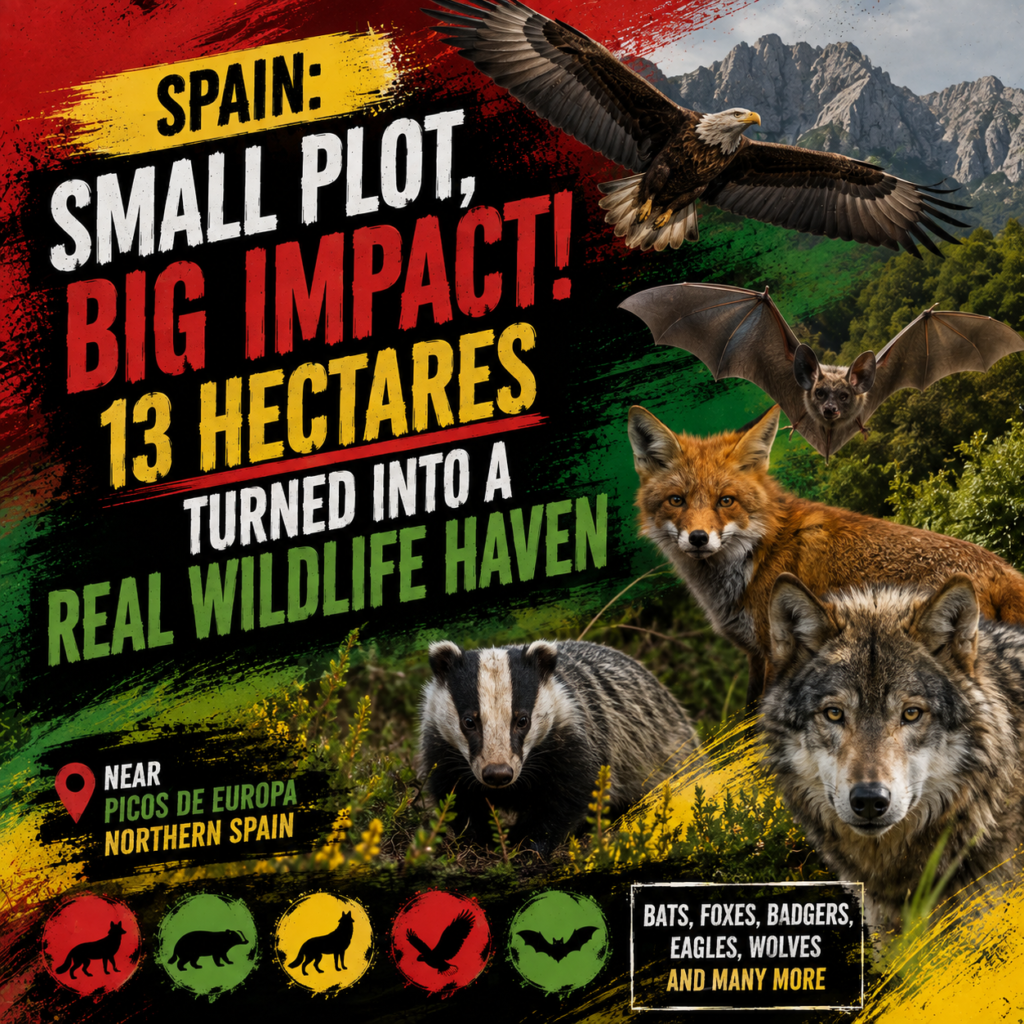
A Small Farm in Spain Has Become a Real Wildlife Haven: Nature Returns to Just 13 Hectares
Sometimes, the story of restoring nature does not begin with the creation of a huge national park, a large-scale government programme or the protection of thousands of hectares of land. We are used to imagining wildlife conservation as something that requires enormous resources, complex international projects and territories stretching for many kilometres. It may seem that one small piece of land is hardly capable of making a difference, especially in a world where natural landscapes continue to disappear and cities, roads and agricultural areas increasingly divide ecosystems into smaller and more isolated spaces.However, nature does not always need vast areas to begin recovering. Sometimes, changing the way people manage a piece of land and allowing natural processes to gradually return can be enough. Places where grass was once regularly cut, shrubs removed and the landscape carefully controlled by humans can slowly become home to new plants, insects, birds and larger animals. A single restored area cannot solve the wider problem of species loss, but it can become an important refuge, part of an ecological corridor or a small island of nature within a human-altered landscape.This is exactly what happened in northern Spain, where an ordinary piece of land covering just around 13 hectares has, over several years, been transformed into a place that increasingly resembles a small nature reserve.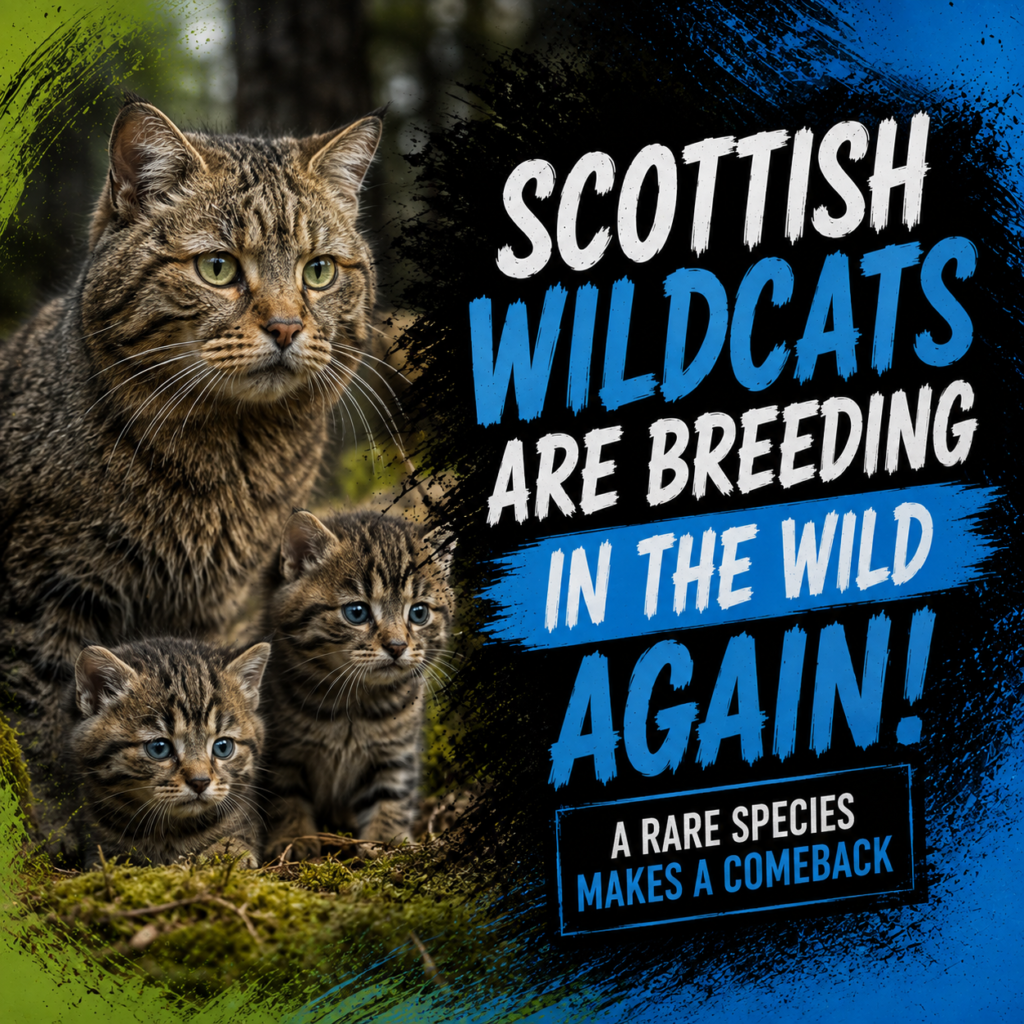
Scottish Wildcats Are Breeding in the Wild Again: A Rare Species Takes an Important Step Towards Recovery
For many years, the Scottish wildcat has been considered one of the rarest and most vulnerable animals in the United Kingdom. These small predators were once found across much of the country, but their numbers gradually declined dramatically. The loss and fragmentation of their natural habitat, deaths on roads, disease and, above all, interbreeding with domestic and feral cats pushed the species to the brink of extinction.The situation became so serious that conservationists began to fear the complete disappearance of genetically pure Scottish wildcats from the wild. The small remaining populations were isolated and genetically vulnerable, while the chances of the species recovering naturally became increasingly limited. As a result, a large-scale breeding and reintroduction programme was launched to give the species a chance of survival.However, several years after the programme began, the first signs have appeared that these efforts are producing real results. In the forests and mountainous areas of the Cairngorms National Park, released Scottish wildcats have not only adapted to life in the wild but have also begun breeding independently. In 2026, the birth of kittens was confirmed for the third consecutive year, marking an important milestone in the recovery of this rare predator.Wildlife cameras captured one of the females carrying her kittens between shelters.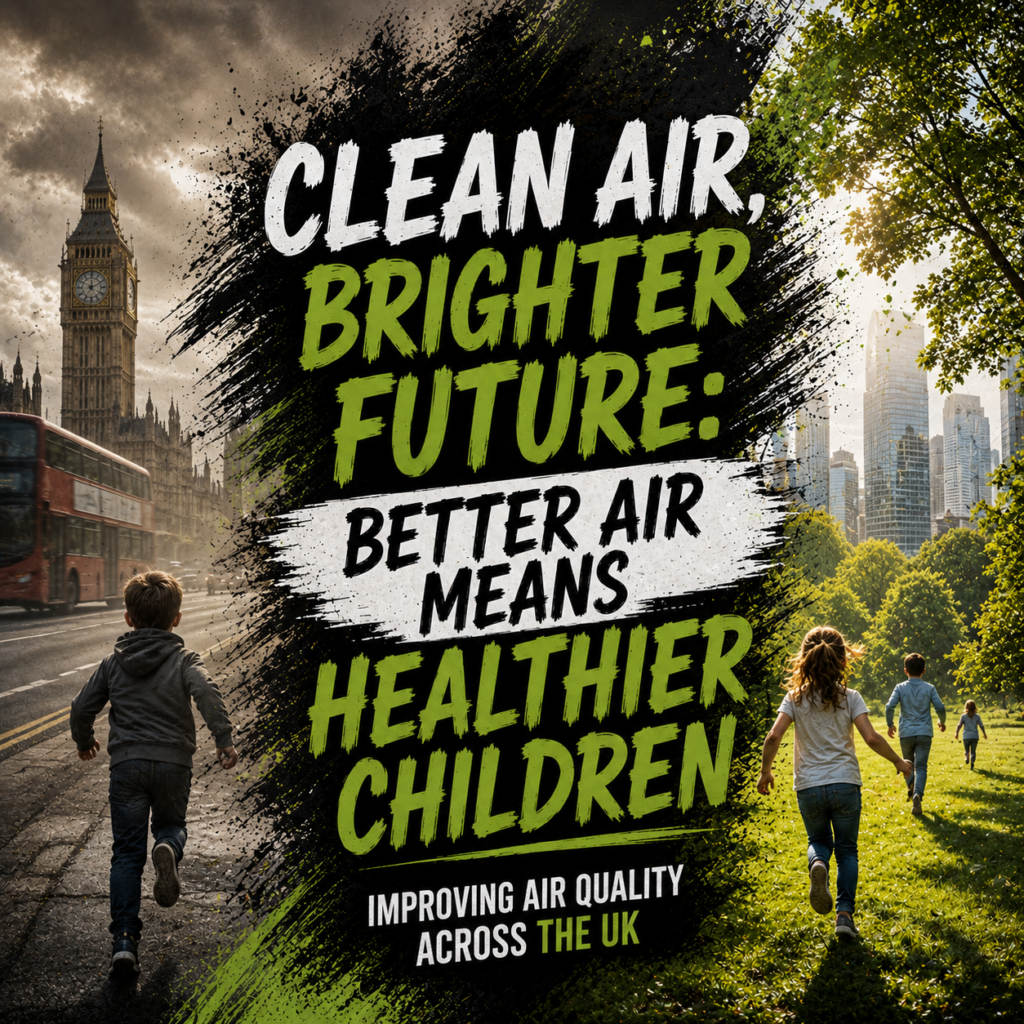
Clean Air Helps Children: Improved Air Quality in the UK Linked to Better Lung Health
For many years, air pollution has remained one of the most serious yet often invisible threats to the health of people living in major cities. Unlike many other dangers, it cannot always be easily avoided: pollutants are present in the air people breathe every day — on the way to work, during walks, while exercising or simply travelling through the city. Children are particularly vulnerable because their lungs and respiratory systems are still actively developing.For a child, air quality can play an important role over many years. Continuous exposure to vehicle emissions and other pollutants has been linked to problems with lung development and a higher risk of respiratory illnesses. For this reason, reducing air pollution is increasingly seen not only as an environmental challenge but also as an important part of public health policy.Now, the results of a major study in the United Kingdom suggest that the situation can also improve in the opposite direction. Better air quality can bring significant benefits to children, and lower levels of pollution may be accompanied by improvements in lung development and function.The study, conducted by researchers from Queen Mary University of London and other British research institutions, examined lung development in thousands of children in London and compared the results with a group of children in Luton.
Woman Regains Her Sight After the World’s First Transplant of Part of the Retina
For more than five years, the world had remained completely dark for a 67-year-old woman in Italy. After a serious car accident, she lost her sight, and the condition of both of her eyes was so complex that conventional treatments could no longer help. One eye retained healthy structures but had suffered irreversible damage to the optic nerve and could no longer transmit visual information to the brain. The other eye, by contrast, retained the ability to transmit signals but had severe damage to its cornea and retina.It seemed impossible to restore her vision. However, doctors found an unusual solution: to use healthy but non-functioning tissue from one eye to repair the other. As a result, a surgical procedure described by the medical team and official sources as the first of its kind in the world was performed in Italy — involving the transplantation of the complete anterior segment of the eye together with the central part of the retina, the macula, from one of the patient’s eyes to the other.The groundbreaking operation took place at Molinette Hospital in Turin, northern Italy. It was performed by a team from the University Eye Clinic led by Professor Michele Reibaldi. The surgeons transferred an entire complex of tissue from one of the patient’s eyes to the other, including the cornea, sclera, conjunctiva and, most importantly, the central part of the retina — the macula. The macula is responsible for central and highly detailed vision.