
Search results
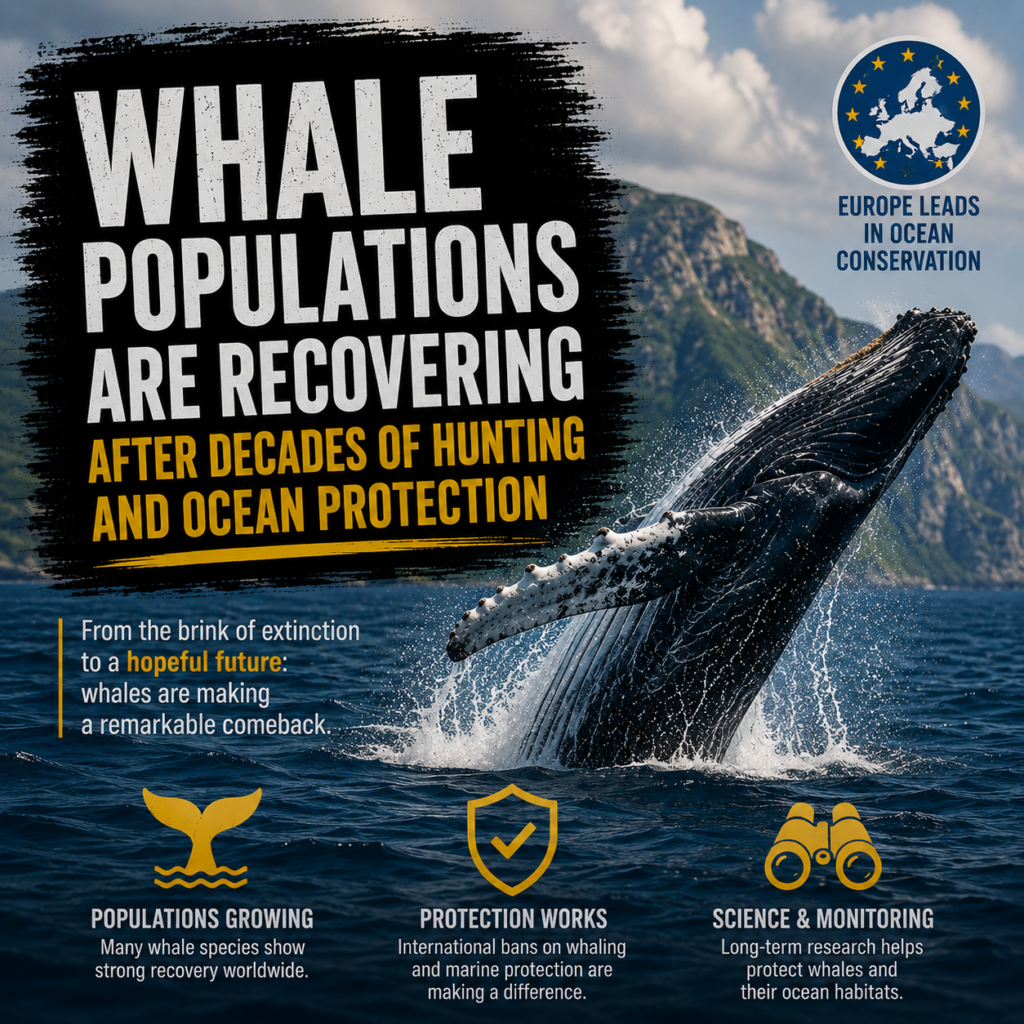
Whale Populations Are Recovering After Decades of Hunting and Large-Scale Ocean Protection
Whale populations in different parts of the world’s oceans are gradually recovering after a period when industrial whaling pushed many species to the brink of extinction. The most visible changes are being recorded among humpback whales, which are returning to historic breeding and migration areas in the Southern Hemisphere and along the Australian coast. In some regions, their numbers have increased dozens of times compared with the lowest levels recorded at the end of the 20th century. Scientists believe that the main factor behind this recovery has been the sharp reduction in commercial whaling, combined with international protection of habitats and migration routes.At the same time, whale recovery is uneven, and specialists do not consider the problem completely solved. Some populations have already approached historical levels or continue to grow rapidly, while others remain small and vulnerable. Whales are still affected by collisions with ships, entanglement in fishing gear, underwater noise, pollution and changes in ocean temperatures. Nevertheless, the current situation demonstrates how dramatically marine ecosystems can change when hunting pressure is reduced and populations are given enough time and protection to recover.One of the best-known examples is the humpback whale population along Australia’s eastern coast.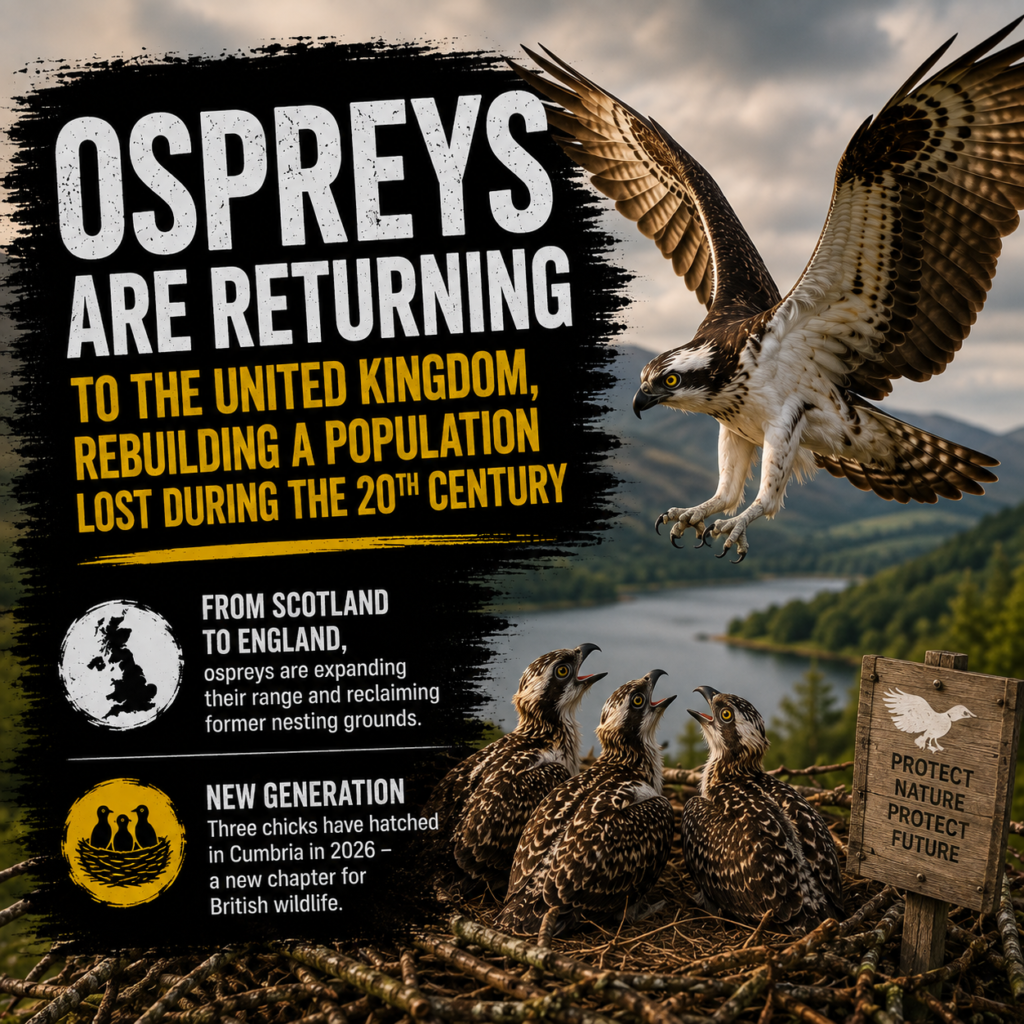
Ospreys Are Returning to the United Kingdom, Rebuilding a Population Lost During the 20th Century
Ospreys, one of the United Kingdom’s most distinctive birds of prey, are continuing to return to areas where their breeding populations once disappeared completely. At the beginning of the 20th century, persecution by humans caused ospreys to vanish as a breeding species from Britain, but after the first birds returned from Scandinavia to Scotland during the 1950s, the population gradually began to recover. By 2026, this recovery had expanded significantly: ospreys not only continue to maintain their main breeding grounds in Scotland, but are also establishing themselves in new areas of England, where conservationists are recording important signs of further population growth.One particularly significant development came at the RSPB Campfield Marsh nature reserve in Cumbria. In June 2026, three osprey chicks hatched there, becoming the first ospreys to hatch at the reserve since the Victorian era. For conservationists, this was an important indication that the birds are continuing to expand their range beyond Scotland, the traditional centre of the British population. The RSPB estimates that the current British population is around 400 breeding pairs, although some sources provide slightly more cautious estimates.The history of osprey recovery is particularly remarkable because the prospects for the species in Britain looked extremely poor during the first half of the 20th century.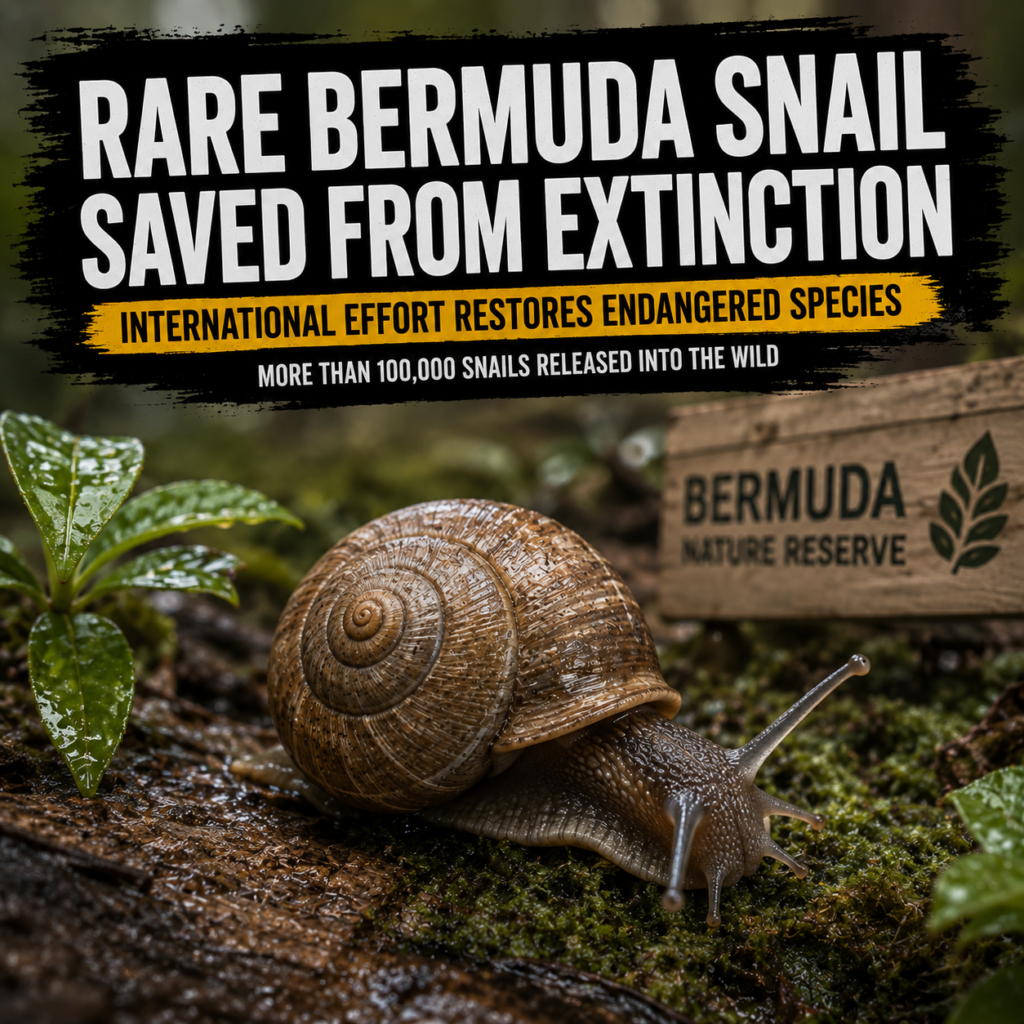
Rare Bermuda Snail Saved from Extinction After Years of Intensive Conservation Work
For more than a decade, the future of the greater Bermuda land snail appeared extremely uncertain. The small endemic mollusc was once believed to have disappeared from the wild, until a surviving group was discovered in 2014 in a lane in Hamilton, the capital of Bermuda. At that point, specialists knew of fewer than 200 individuals, leaving the species dangerously close to extinction. In February 2026, conservation organisations announced the results of years of intensive work: after captive breeding and the release of more than 100,000 snails into suitable habitats, six stable colonies had successfully become established in the wild.The greater Bermuda land snail, Poecilozonites bermudensis, is tiny compared with many of the animals that receive international conservation attention, but it plays an important role in the island’s ecosystems. The species feeds on living and decaying plant material, contributing to the cycling of nutrients, while also forming part of the food web for other organisms. Losing the snail would therefore have meant more than the disappearance of a single endemic species. Its recovery has been made possible through cooperation between the Government of Bermuda, Biolinx Environmental Research and Chester Zoo in the United Kingdom.The greater Bermuda land snail is endemic to Bermuda, meaning that it naturally occurs nowhere else on Earth.
Tigers Return to Kazakhstan After More Than 70 Years Away From the Wild
For more than 70 years, tigers were considered absent from the wild in Kazakhstan, but in 2026 one of the planet’s largest predators returned to its historical range. On 31 July 2026, a female Amur tiger named Ümit, meaning “hope” in Kazakh, was released into the wild at the Ile-Balkhash State Nature Reserve. Her return represents the first practical stage of a large-scale programme designed not simply to release individual animals, but to establish a sustainable wild tiger population in the southern Balkhash region and along the Ili River.The arrival of Ümit in Kazakhstan is particularly significant because these landscapes were historically part of the range of the Caspian, or Turan, tiger, which disappeared from Central Asia during the middle of the 20th century. The loss of tugai forests, declining numbers of wild ungulates and poaching gradually deprived the predator of suitable habitat and food. Kazakhstan is now attempting to restore not only the tiger itself, but also the natural environment required for its survival. For more than a decade, forests and wetlands have been restored, populations of prey species have been increased and monitoring systems have been developed to support the return of the predator.The first tiger released into the wild is an Amur tiger rather than the historical Turan tiger. This decision is connected with genetic research indicating that the Amur tiger is the most suitable source population for restoring tigers in Central Asia.
FDA Approves Drug That Nearly Doubles Survival in Pancreatic Cancer
Pancreatic cancer remains one of the most difficult and dangerous forms of cancer to treat. It is often diagnosed at an advanced stage, when the tumour has already spread beyond the pancreas and the options for surgery are limited. For patients with metastatic disease, the number of effective treatment options has long been particularly small, making the development of new therapies especially significant.The U.S. Food and Drug Administration, the FDA, has approved a new drug called Rasonque, whose active ingredient is daraxonrasib. It is intended for adults with metastatic pancreatic adenocarcinoma who have previously received at least one systemic therapy or who are not candidates for multiagent systemic treatment. The FDA describes it as the first approved targeted therapy of its kind for this common form of pancreatic cancer.The importance of the new treatment is linked to the results of a clinical trial involving 500 patients. According to the FDA, median overall survival among patients treated with daraxonrasib reached 13.2 months, compared with 6.7 months in the group receiving standard chemotherapy. In the trial, the new treatment therefore nearly doubled median survival for patients with previously treated metastatic pancreatic cancer.Daraxonrasib works differently from traditional chemotherapy. The drug targets multiple forms of the RAS protein family, which plays a central role in driving tumour growth in pancreatic adenocarcinoma.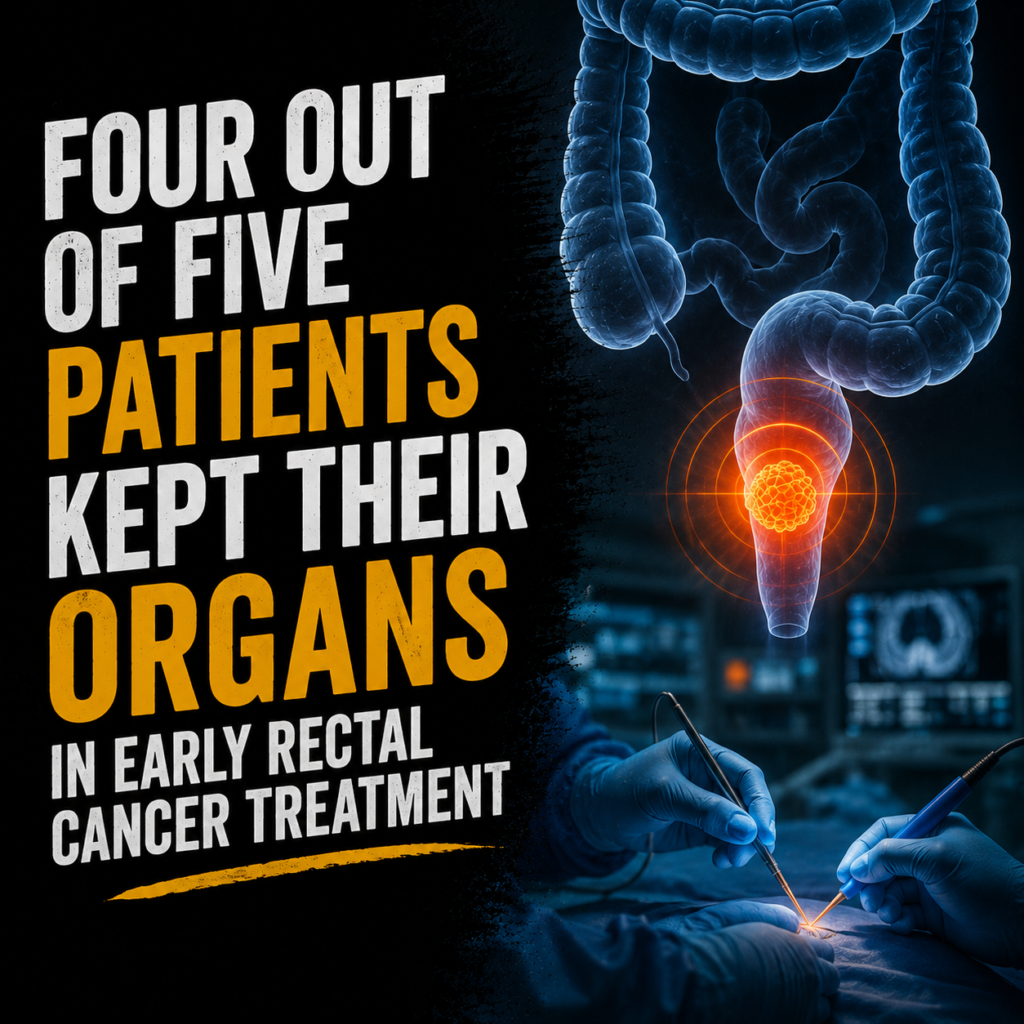
Four in Five Patients Were Able to Preserve Their Organ in Early Cancer Treatment
Four out of five patients with early-stage rectal cancer were able to preserve their organ thanks to a new treatment approach that can, in some cases, avoid radical surgery. The results of the study are particularly important because surgical removal of the rectum is often a major procedure that can significantly affect a patient’s quality of life.For a long time, radical surgery involving the removal of the rectum has been a standard treatment for early and intermediate rectal cancer. Although such surgery can be effective in controlling the disease, it may lead to long-term consequences, including bowel dysfunction, urinary problems and sexual difficulties, and in some cases the need for a permanent stoma. For this reason, finding ways to preserve the organ without compromising cancer control has become one of the important goals of modern oncology.The new international STAR-TREC study, led by specialists from the United Kingdom, showed that a different approach may be possible for a significant proportion of patients. Researchers investigated the use of chemoradiotherapy followed by close monitoring and organ-preserving treatment only when it was genuinely necessary. Twelve months after treatment began, around four out of five patients who received chemoradiotherapy as part of the organ-preservation strategy were able to avoid removal of the rectum.The study involved 503 patients from five European countries: the United Kingdom, the Netherlands, Denmark, Belgium and Sweden.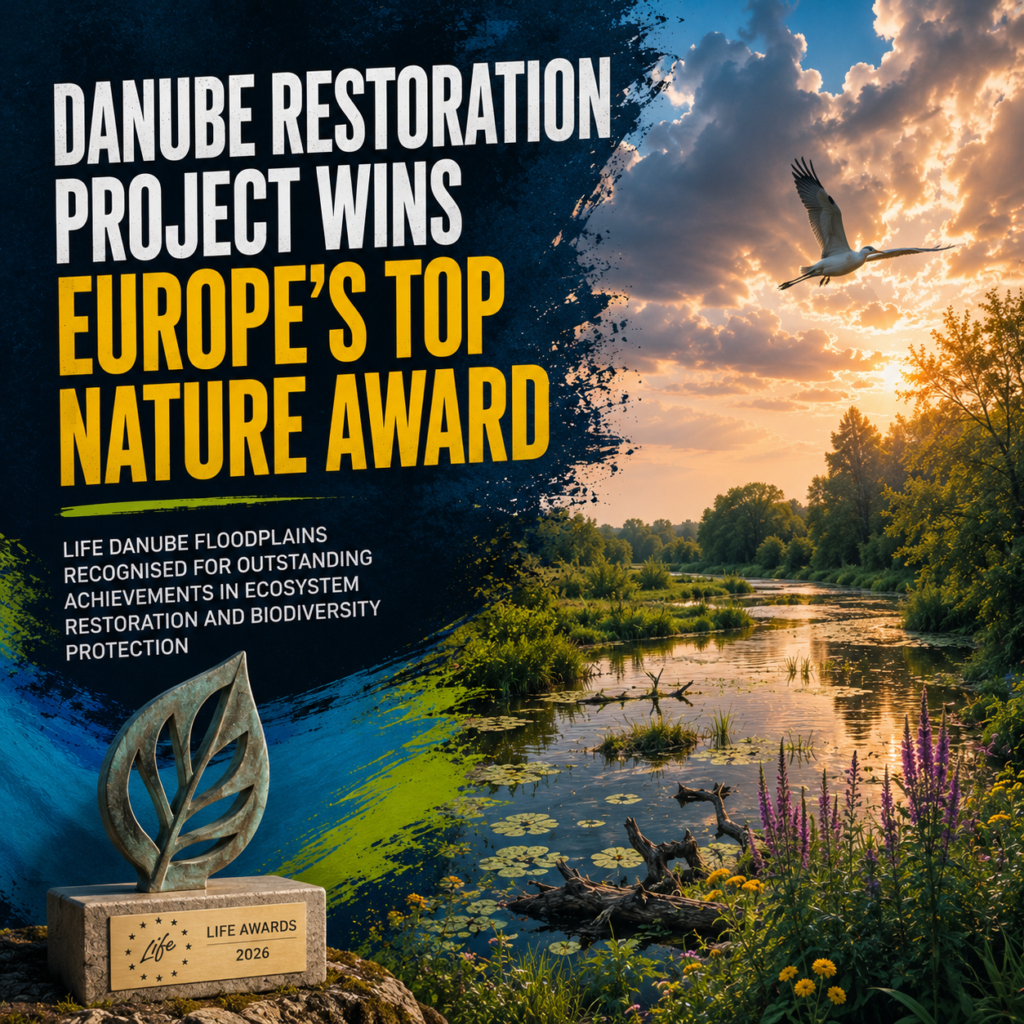
Danube Floodplain Restoration Project Receives Europe’s Top Nature Conservation Award
For more than two centuries, the natural landscape of the Danube has gradually been transformed by human activity. Dam construction, river regulation, changes to riverbanks and intensive land use disrupted the natural water cycle of one of Europe’s most important rivers. Many side channels became disconnected from the main river, wetland areas began to deteriorate, and plants and animals that depended on regular flooding lost a significant part of their natural habitats.However, along a section of the Danube between Slovakia and Hungary, years of restoration work have demonstrated that even heavily altered river ecosystems can gradually recover. The LIFE Danube floodplains project began in 2015 and brought together specialists in nature conservation, water management, forestry and local communities. Its main goal was to restore natural processes across the Danube floodplain and bring water back to areas that had remained disconnected from the river’s natural regime for decades.The results of this work received major recognition at the European level. LIFE Danube floodplains won the Nature Protection and Biodiversity category at the LIFE Awards 2026, one of Europe’s leading recognitions for successful environmental projects. The European Commission and CINEA highlighted the project as an example of how large-scale ecosystem restoration can support biodiversity, improve flood protection and bring benefits to local communities.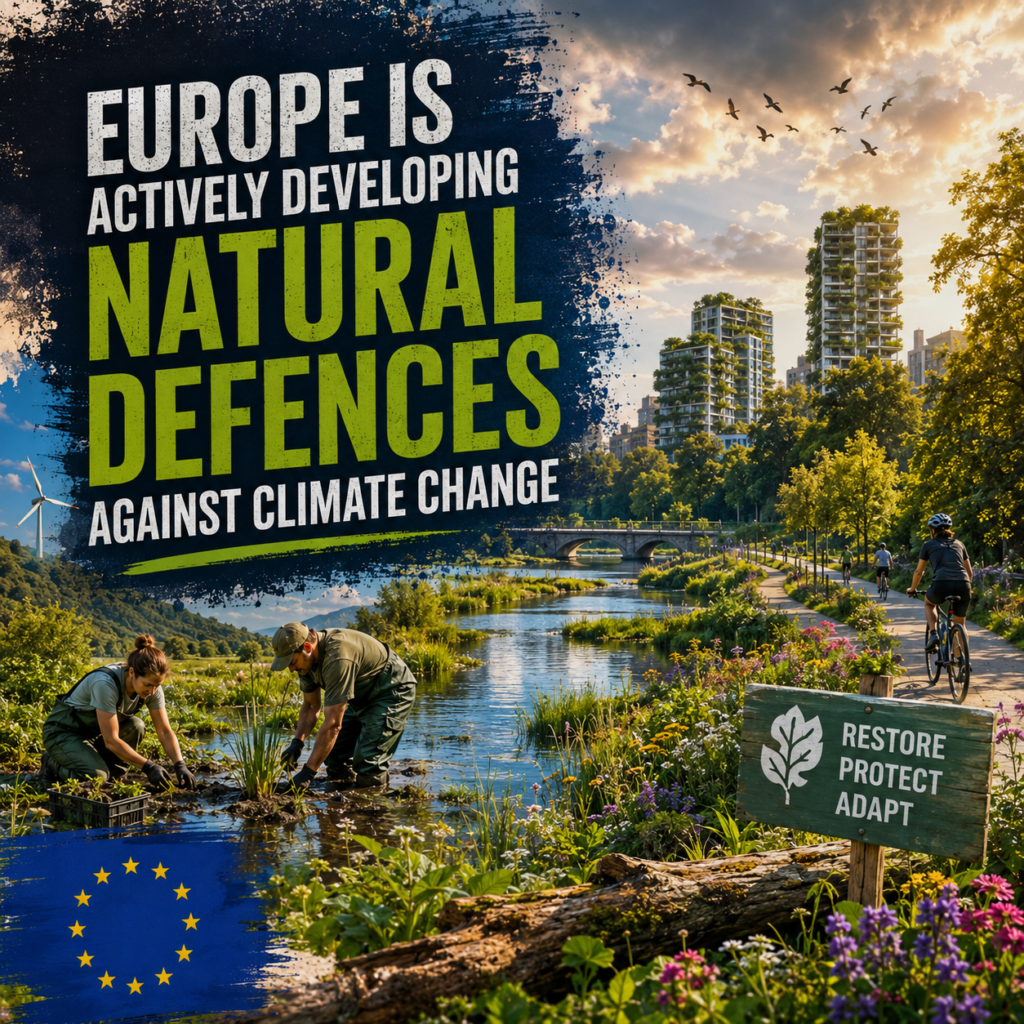
Europe Is Actively Developing Natural Defences Against the Effects of Climate Change
Europe is increasingly facing heatwaves, prolonged droughts, destructive floods and large-scale wildfires. Against this background, it is becoming clear that traditional infrastructure alone is not enough to protect cities and regions from growing climate risks. Dams, canals, cooling systems and other engineering structures remain necessary, but increasing attention is being given to natural systems that can retain water, cool surrounding areas and reduce the impact of extreme weather events.This is why so-called nature-based solutions are becoming increasingly visible in European climate policy. These include restoring wetlands and river floodplains, protecting forests, creating urban parks, rain gardens and other green spaces, as well as managing landscapes in more natural ways. The European Environment Agency has noted that scaling up such solutions is becoming an important part of improving climate resilience while also helping to restore biodiversity.Rather than attempting to completely control natural processes, European countries are increasingly looking for ways to use their protective properties. A restored wetland can store water during heavy rainfall and gradually release it during dry periods. A healthy forest can influence soil moisture and landscape stability, while urban trees and green spaces can help reduce temperatures in areas where concrete and asphalt become particularly hot during the summer.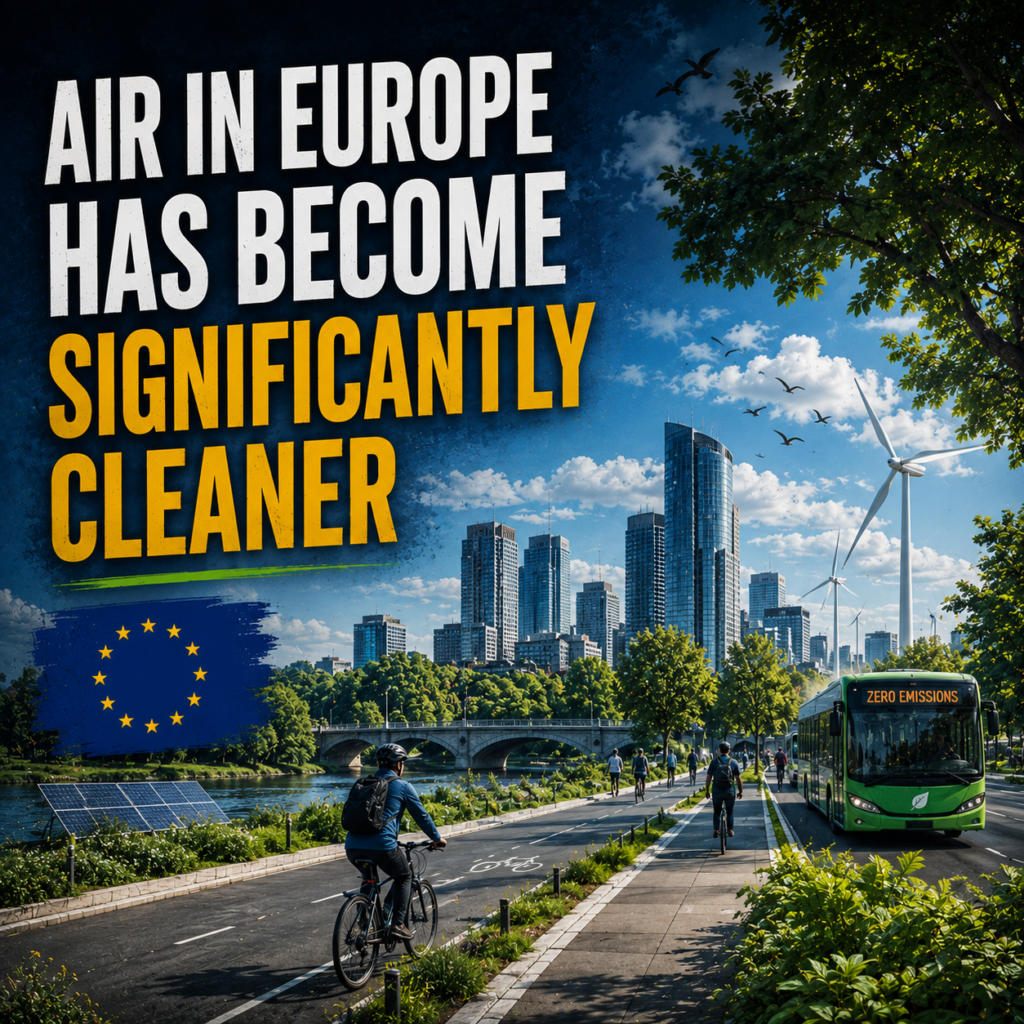
Air in Europe Has Become Significantly Cleaner: Decades of Fighting Pollution Are Beginning to Deliver Results
For many years, air pollution remained one of Europe’s most serious environmental and public health challenges. Millions of people lived in cities where traffic, industry, heating systems and other sources of emissions created a constant presence of fine particles and harmful gases. The consequences were often almost invisible in everyday life: polluted air cannot always be seen or smelled, yet its effects on human health can gradually accumulate over time. This is why the fight for cleaner air has become one of the most important environmental priorities for European countries.Now, the latest data show that the situation is gradually but noticeably improving. According to a new analysis by the European Environment Agency, air quality across Europe continues to improve, while levels of most major pollutants have fallen significantly over the past two decades. More and more monitoring stations are now meeting current European Union standards, particularly for two of the most important pollutants — fine particulate matter, known as PM2.5, and nitrogen dioxide, or NO2.The improvement is the result of long-term changes in energy production, transport, industry and environmental legislation. European countries have gradually reduced emissions, introduced stricter requirements for businesses and vehicles, expanded public transport and renewable energy, and created low-emission zones in major cities.