
Search results

Alhambra in Granada: Palaces, Gardens and What You Should Know Before Your First Visit
The Alhambra in Granada is one of those places in Spain where architecture itself becomes a journey through several centuries of history. Palaces, courtyards, intricate wall decorations, marble pools and gardens framed by the mountains create an atmosphere that cannot be experienced in just a few minutes. The complex stands on Sabika Hill above Granada, making the approach itself part of the experience. Here, the contrast between the severe fortress walls and the elegance of the palace interiors is particularly striking, as is the transition between cool halls and sunlit gardens. The Alhambra is fascinating not simply as a famous landmark, but as a place where history, nature and architecture are woven into one remarkable landscape.A first visit to the Alhambra is best planned in advance because the complex is extensive, while its most famous interiors require visitors to follow a specific entry schedule. The Nasrid Palaces are especially important, as admission is connected to a designated time slot. Arriving without a plan can mean spending a considerable part of the day moving between different areas while still failing to see the main rooms at a comfortable pace. The Alhambra therefore requires slightly more organization than an ordinary walk through Granada's historic center. In return, it offers a rare opportunity to experience a fortress, royal residences, palace courtyards, historic gardens and sweeping views of Andalusia within a single visit.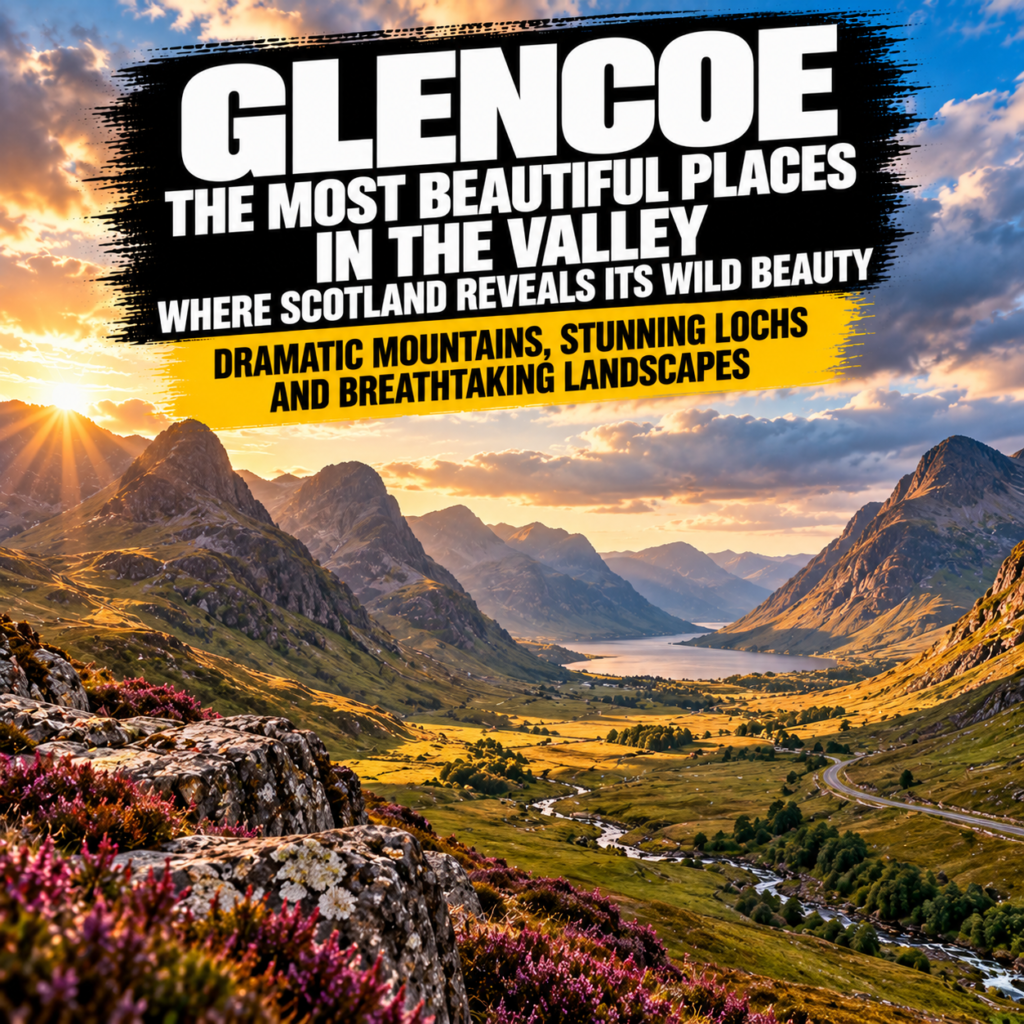
Glencoe: The Most Beautiful Places in the Valley Where Scotland Reveals Its Wild Beauty
Glencoe Valley is considered one of Scotland’s most spectacular natural landscapes, where mountains, lochs and wide green spaces create scenery that is difficult to confuse with anywhere else in Europe. There is no need to search for a single main attraction here: the valley itself becomes a continuous panorama that changes with every turn of the road. Rocky peaks rise above misty slopes, streams descend through rocky ravines, and small bodies of water reflect the rugged mountains. It is this combination of scale and solitude that makes Glencoe particularly appealing to travelers who want to experience genuine northern nature without the noise and rush of city life.A journey through Glencoe is best understood not as an ordinary sightseeing trip with a fixed sequence of attractions, but as a route through a constantly changing natural landscape. Some places impress with the height and shape of the mountains, while others captivate with the silence beside the water or an unexpected view appearing around the next bend. The valley is perfectly suited to hiking, road trips and short stops simply to take in the scenery. Glencoe is especially atmospheric in changing weather, when sunlight, clouds and mist can transform the character of the mountains within minutes.One of the most recognizable places in the valley is the Three Sisters of Glencoe, three distinctive mountain ridges descending from the Bidean nam Bian massif.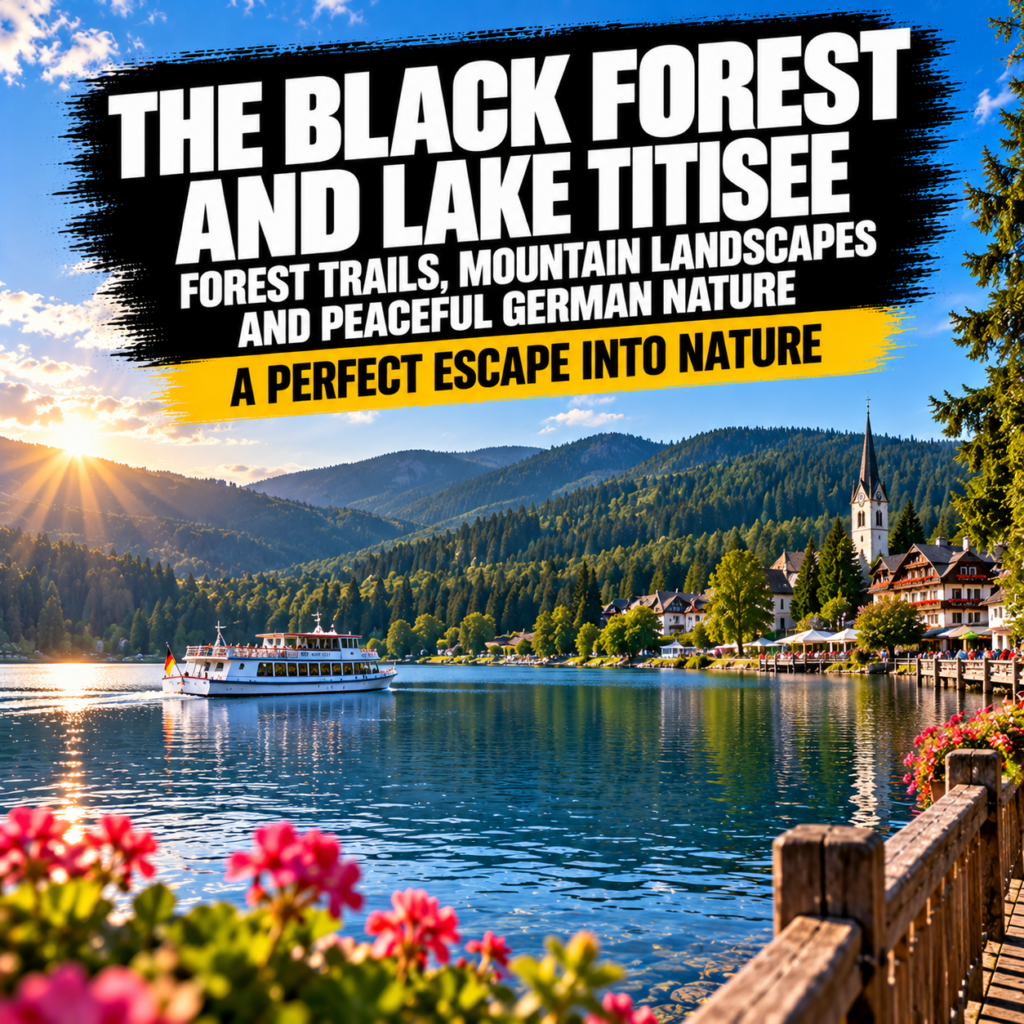
The Black Forest and Lake Titisee: Forest Trails, Mountain Landscapes and Peaceful German Nature
The Black Forest in southwestern Germany is one of those European regions where nature seems to create an almost fairytale landscape. Dark coniferous forests, rounded mountain peaks, deep valleys and small lakes form scenery that is very different from the familiar image of Germany with its cities and castles. One of the region’s most famous destinations is Lake Titisee, a picturesque glacial lake surrounded by wooded hills and hiking trails. Travelers come here for walks along the shore, mountain hikes, cycling trips and the chance to spend several days in peaceful natural surroundings without giving up comfortable infrastructure.Titisee is especially well suited to travelers who want to experience the Black Forest without complicated expeditions or long journeys between attractions. The town of Titisee-Neustadt is located directly beside the lake, making many interesting places accessible on foot. Visitors can begin the morning with a walk along the shoreline, follow a forest trail to a viewpoint, take a boat trip across the lake and then continue exploring the surrounding landscape. The main attraction of the area is not the number of sights, but the atmosphere of quiet, fresh air and the feeling that dense forest begins almost immediately beyond the town.Lake Titisee lies in the central part of the Southern Black Forest and is considered one of the region’s best-known natural bodies of water.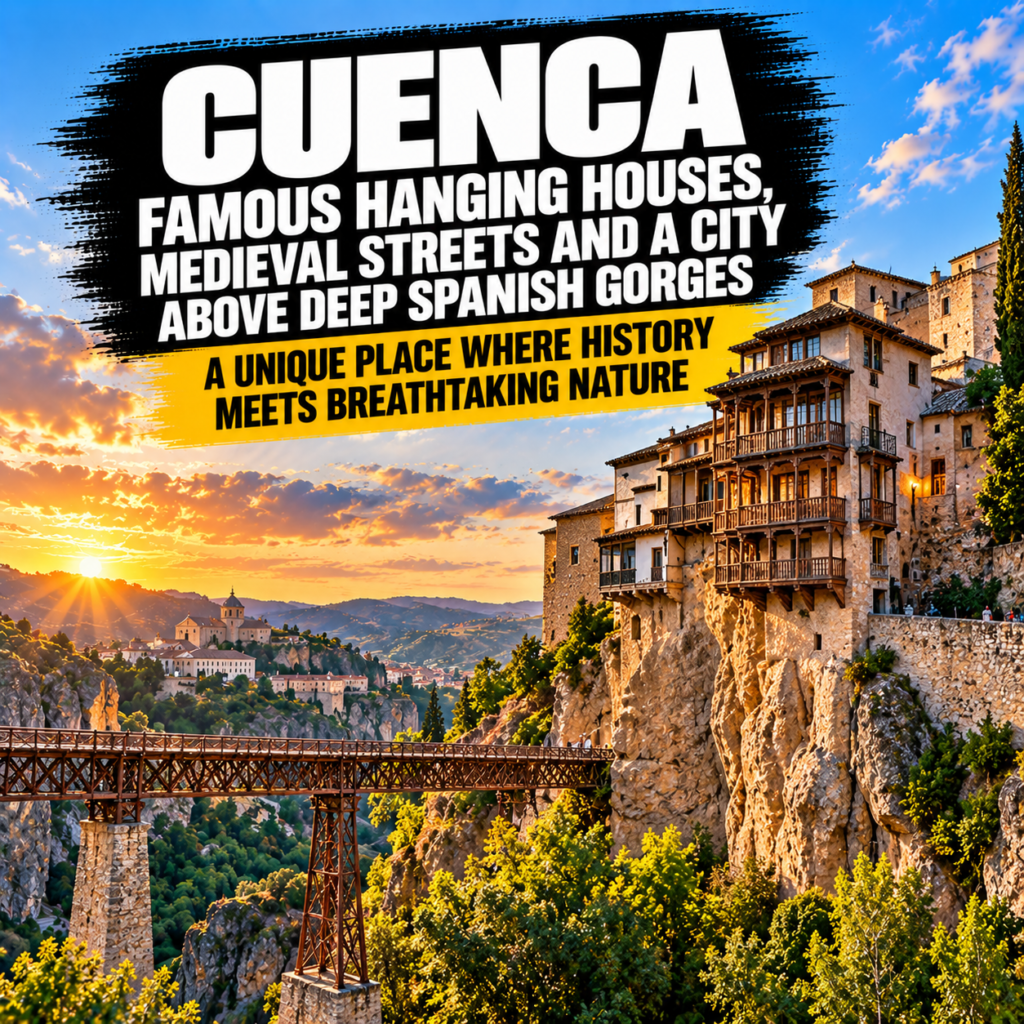
Cuenca: Famous Hanging Houses, Medieval Streets and a City Rising Above Deep Spanish Gorges
Cuenca is one of those Spanish cities where architecture seems almost impossible. Medieval buildings appear to cling to the edges of cliffs, while the famous Hanging Houses rise above a deep gorge, creating a skyline that is difficult to confuse with anywhere else. The city lies between the Huécar and Júcar rivers, while its historic center occupies a narrow rocky plateau surrounded by steep slopes. Here, an ordinary walk quickly turns into a journey through a landscape where streets, bridges, walls and houses constantly change elevation. The main attraction, the Casas Colgadas, or Hanging Houses, has become the symbol of Cuenca, but it is far from the only reason to discover the city.Cuenca is especially fascinating because its beauty comes not from individual monuments alone, but from the unusual combination of nature and architecture. The stone houses seem to continue the surrounding cliffs, old streets rise and fall between small squares, and viewpoints open toward deep gorges and green hillsides. The city is best explored slowly, without trying to see as many sights as possible. A leisurely walk allows visitors to notice the details that make Cuenca special: wooden balconies, historic façades, arches, stone stairways and the feeling of being in an almost vertical city.The history of Cuenca is closely connected to its unusual location.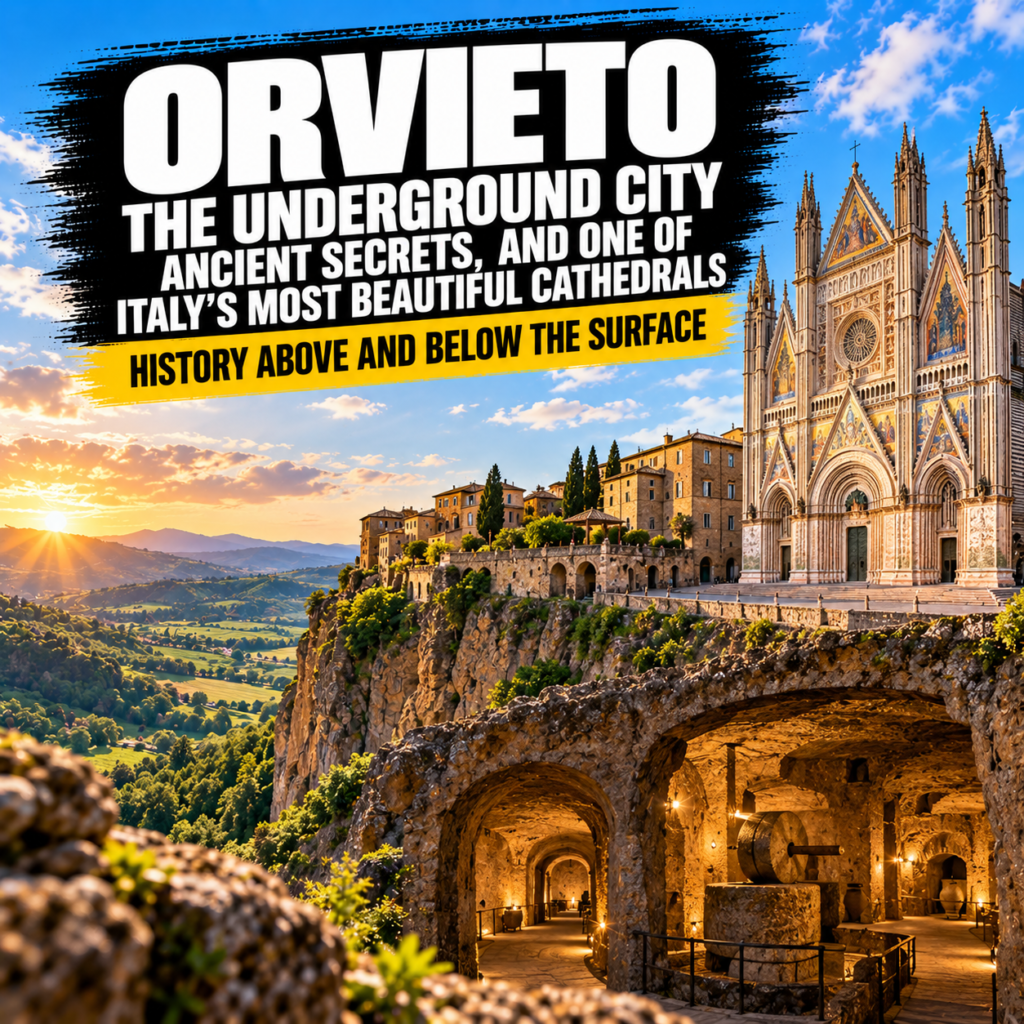
Orvieto: The Underground City, Ancient Secrets, and One of Italy’s Most Beautiful Cathedrals
Orvieto is a small Italian city in Umbria that is particularly fascinating to discover not only from its main square, but literally from the inside. It stands on top of a huge volcanic tuff plateau, and beneath its streets lies an entire underground world created by its inhabitants over several thousand years. The rock contains stairways, rooms, wells, workshops, wine cellars, and tunnels that reveal the city’s history just as vividly as its medieval buildings. Above ground, Orvieto looks almost like something from a fairy tale: narrow streets lead to quiet squares, old houses rise along the edges of the plateau, and the famous cathedral dominates the city with its extraordinary facade.The main charm of Orvieto lies in this contrast. You can walk a few hundred meters through peaceful medieval streets and then descend underground, finding yourself in spaces created by people long before modern technology existed. A few minutes later, you can emerge into the open air and face the enormous Duomo, decorated with mosaics, sculptures, and intricate stonework. This makes Orvieto particularly appealing to travelers who want more than a beautiful Italian town. It is a place where history exists on several different levels, both literally and metaphorically.The history of Orvieto began long before the Middle Ages.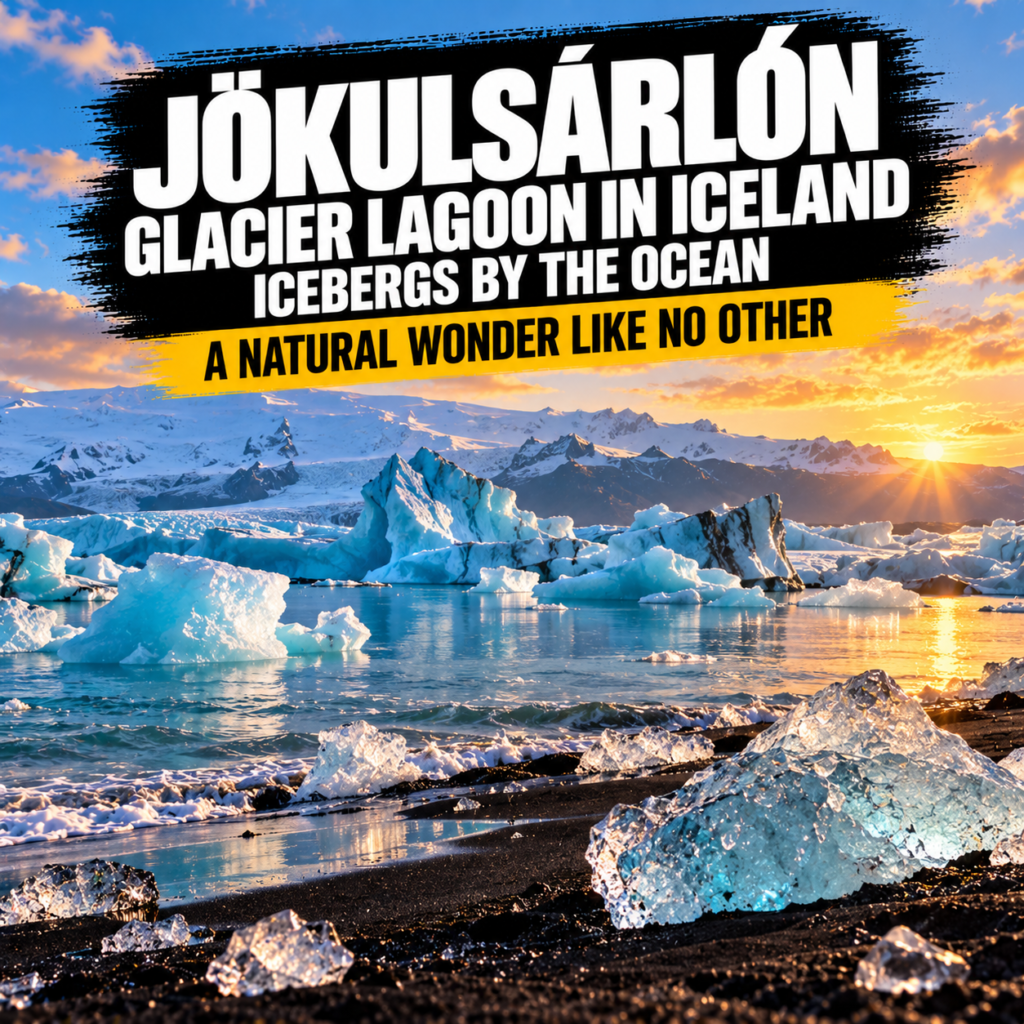
Jökulsárlón Glacier Lagoon in Iceland: Icebergs by the Ocean and a Landscape Like No Other
Jökulsárlón Glacier Lagoon is one of those places in Iceland where the landscape seems almost unreal. Huge pieces of ice break away from the glacier, slowly drift across the cold water, collide with one another and gradually make their way toward the ocean. Some icebergs are milky white, others glow with shades of blue, while some are marked by dark lines of ancient volcanic ash. Against the black sand and rugged mountains, the lagoon looks like a separate world created entirely by nature. It is a place where the scale of the Icelandic landscape becomes especially clear: glacier, lagoon, ocean and enormous pieces of floating ice can all exist within the same dramatic panorama.The most fascinating thing about Jökulsárlón is that it is constantly changing. This is not a static attraction that can be photographed from one viewpoint before moving on. The ice shifts, turns over, breaks apart and slowly travels toward the channel leading to the Atlantic Ocean. Some pieces eventually return to the shore, where transparent chunks lie across the black sand like enormous crystals. Because of this constant movement, every visit can look completely different. The arrangement of the icebergs, the weather, the light and even the color of the water create a landscape that never remains exactly the same.Jökulsárlón is located in southeastern Iceland near Vatnajökull, the country’s largest glacier system.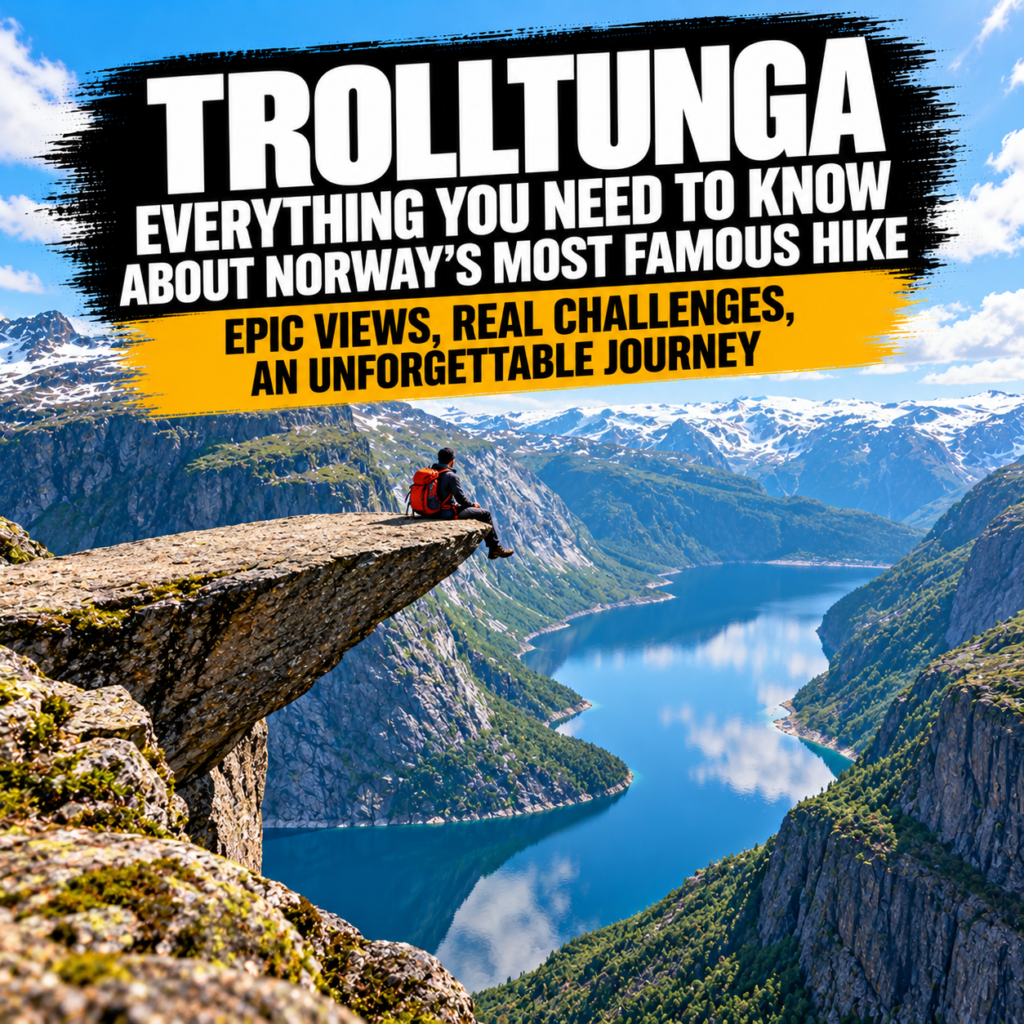
Trolltunga: Everything You Need to Know About Norway’s Most Famous Mountain Hike
Trolltunga, or the Troll’s Tongue, is one of Norway’s most recognizable natural landmarks and one of the most spectacular hiking destinations in Scandinavia. A narrow piece of rock stretches horizontally above Lake Ringedalsvatnet, creating the impression of a stone platform suspended high above the valley. The dramatic shape, surrounding mountains and deep blue water below have made Trolltunga an iconic image of Norwegian nature. But behind the famous photographs is a demanding mountain journey that requires preparation, time and respect for rapidly changing weather conditions. The hike is not simply a walk to a viewpoint: it is a full-day adventure through one of the most impressive landscapes in western Norway.The appeal of Trolltunga comes from the combination of physical challenge and extraordinary scenery. Along the route, hikers move through forests, rocky plateaus, steep sections and open mountain terrain, with constantly changing views of the surrounding landscape. The final destination is spectacular, but the journey itself is an important part of the experience. Anyone planning the hike should consider the season, daylight hours, weather forecast, fitness level and appropriate equipment. With sensible preparation, Trolltunga can become one of the most memorable experiences of a trip to Norway.Trolltunga is located near the town of Odda in Vestland, western Norway, in a mountainous region shaped by glaciers and powerful geological forces.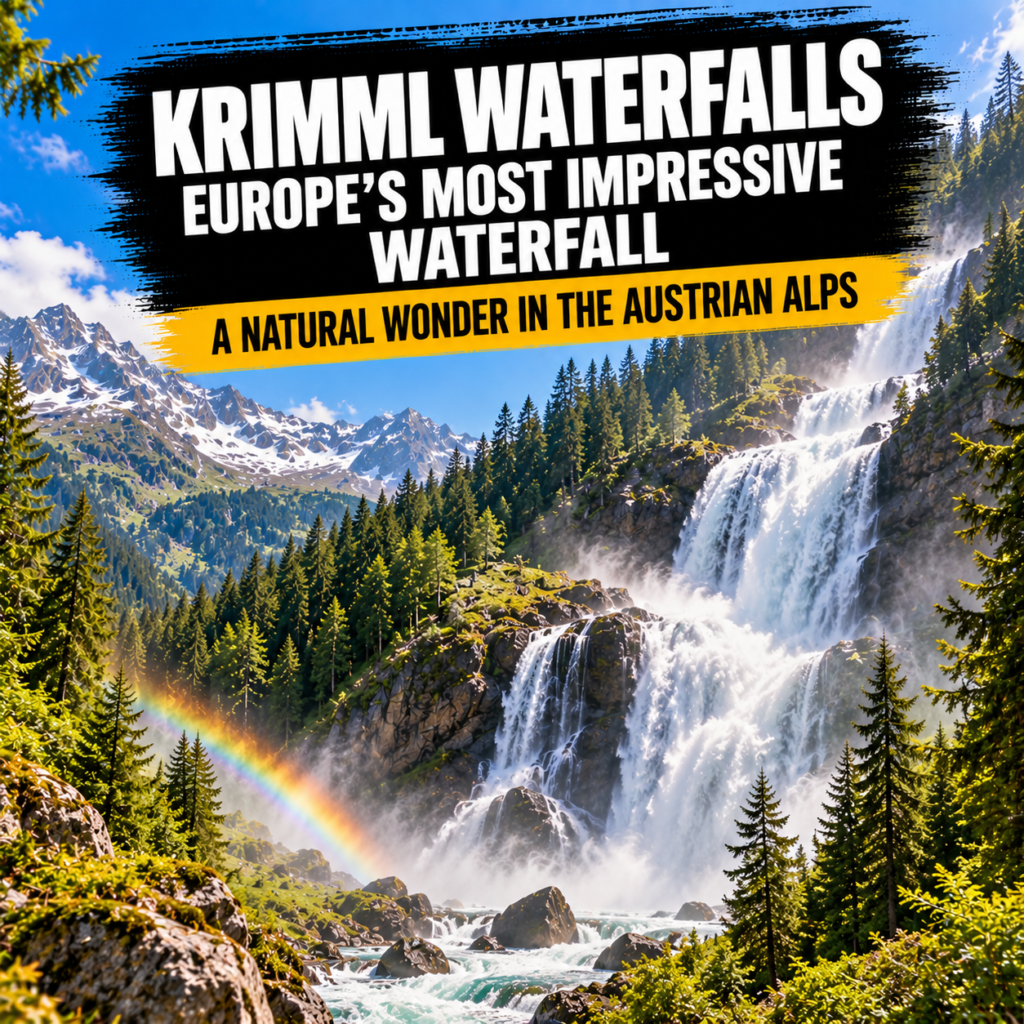
Krimml Waterfalls in Austria: Europe’s Most Impressive Waterfall Among the Alpine Landscapes
There are places that are impossible to fully appreciate from a photograph because their greatest impression comes not only from the view, but also from sound, movement and scale. The Krimml Waterfalls in Austria’s Salzburg region are exactly such a place. The water does not simply fall from the mountains here — it crashes down the rocky slopes with enormous force, turning into a white wall of spray and mist. The total height of the cascade is around 380 meters, and the waterfall is located within Hohe Tauern National Park, surrounded by the spectacular Austrian Alps. The combination of great height, powerful water and dramatic mountain scenery makes Krimml one of the most impressive natural attractions in Europe.A visit here is not only suitable for experienced hikers who enjoy demanding mountain routes. At the foot of the waterfall begins a well-maintained trail that gradually climbs alongside all three major cascades. The first section can be completed relatively quickly, while the higher parts of the route become a full mountain walk with viewpoints, steep sections and constantly changing scenery. The higher you climb, the more the character of the waterfall changes: from below, its sheer power dominates the experience; farther up, wide Alpine panoramas appear, and eventually you feel almost surrounded by the mountain landscape itself.The Krimml Waterfalls are located near the small village of Krimml in the Austrian state of Salzburg.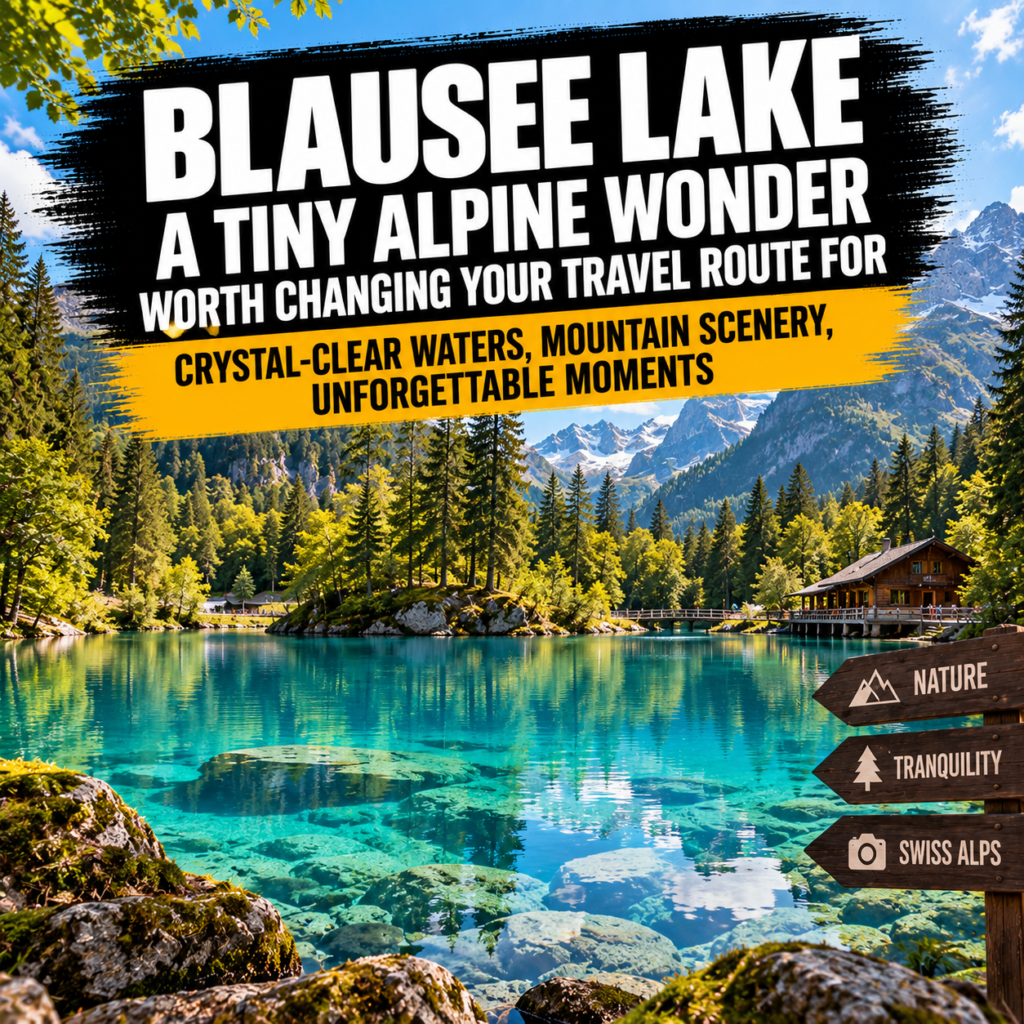
Blausee Lake in Switzerland: A Tiny Alpine Wonder Worth Changing Your Travel Route For
Some places impress with their scale, while others create a completely different kind of experience. Blausee Lake in the Bernese Oberland belongs firmly to the second category. It is very small, hidden among the forests of the Kander Valley, and does not try to compete with Switzerland’s enormous alpine lakes. Its greatest attraction is precisely its intimate character. After a short walk through the forest, travelers suddenly find themselves looking at water of an intense blue-turquoise color, so clear that it almost seems unreal. Moss-covered rocks, old trees and mountain slopes surround the lake, creating the feeling of a scene from a fairy-tale film.Blausee is especially appealing to travelers who want to discover another side of Switzerland — not only famous peaks, cable cars and large resorts, but also small natural places where the beauty lies in the details. The lake is located at an altitude of around 887 meters in the Bernese Oberland and is surrounded by a nature park covering roughly 20 hectares. There is no need to create a complicated full-day itinerary here. The real pleasure comes from walking slowly, watching the water, forest and mountains, and simply staying by the shore without constantly checking the time.The first impression of Blausee comes from the color of its water. In sunny weather, it takes on a deep blue shade that gradually becomes turquoise closer to the shore.