Search results

Why You Should Visit Prague in 2026 and What to See
Prague remains one of those European cities that can be visited for just a few days and still offer something new every time. In 2026, the Czech capital has plenty of reasons to attract travellers: historic architecture, a lively cultural scene, walks along the Vltava River and countless places that can be explored on foot or by public transport. Prague is also a compact and convenient city for walking, travelling by tram and using the metro.A good place to start is Prague Castle, one of the city’s most famous landmarks. Here, visitors can explore St. Vitus Cathedral, the Old Royal Palace, St. George’s Basilica and the famous Golden Lane. The castle complex is so extensive that it is worth taking your time rather than trying to see everything in a single morning.From there, the route naturally continues through Malá Strana towards Charles Bridge. Built in the 14th century, it remains one of Prague’s most recognisable landmarks. The atmosphere is especially impressive early in the morning or in the evening, when the historic towers and statues are illuminated by the city lights.Another essential stop is Old Town Square. This is where you will find the Old Town Hall, the Church of Our Lady before Týn and Prague’s famous Astronomical Clock. Climbing the Old Town Hall Tower offers panoramic views over the rooftops of the historic centre.But Prague in 2026 is not only about its classic landmarks. The city also offers a busy calendar of cultural events, festivals, concerts and exhibitions.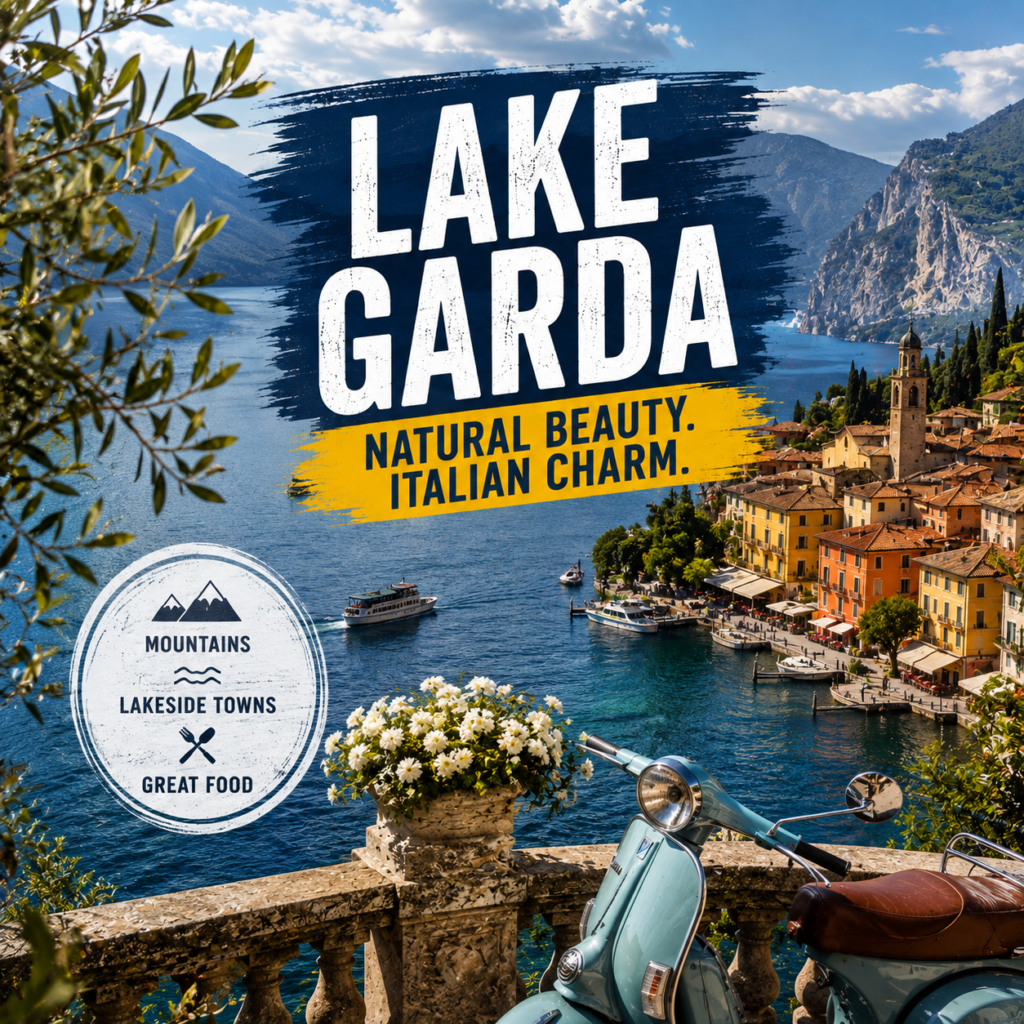
Why You Should Visit Lake Garda: One of Northern Italy’s Most Beautiful Destinations
Lake Garda is Italy’s largest lake and one of those places where you can experience several completely different landscapes in just a few days. The northern part of the lake is surrounded by dramatic mountains, the central area is home to charming resort towns, while the south offers vineyards, olive groves and a softer Mediterranean climate. This combination makes Lake Garda one of the most interesting destinations in Northern Italy.One of the main reasons to visit is the variety of towns surrounding the lake. Sirmione is famous for its historic castle and narrow streets, Malcesine attracts visitors with its old town and spectacular mountain views, while Riva del Garda has more of an Alpine resort atmosphere. Each town has its own character, so travelling around the lake can feel like discovering several different sides of Italy in one trip.Lake Garda is not only for relaxing holidays. Visitors can hike in the mountains, cycle along scenic routes, go windsurfing, take a boat trip or visit panoramic viewpoints overlooking the water. One of the most impressive experiences is taking the cable car up Monte Baldo, where sweeping views open up over the lake, the mountains and the small towns along the shore.Another reason to visit Garda is the freedom to explore without constantly changing hotels.
Is It True That People in Lithuania Eat Crow Pie — and Can You Try It Today?
The story of a “Lithuanian crow pie” sounds so unusual that it would be easy to mistake it for an internet myth. And there is an important detail here: crows were historically consumed in Lithuania, but there is no clear evidence that a famous national dish known as “crow pie” ever existed.The story of crow meat itself does not appear to be completely invented. Historical references suggest that in the cuisine of Lithuania Minor and the Curonian Spit, local people may have eaten various wild birds, including crows, especially during periods of poverty and food shortages. However, these were more likely simple methods of preparing meat rather than a famous traditional pie that could be described as a national Lithuanian dish.So where did the story of crow pie come from? English-language websites occasionally describe crow pie or crow dishes as traditional Lithuanian food. However, many of these articles repeat similar information without providing convincing historical evidence. For that reason, it would be inaccurate to claim that “crow pie” is a well-known traditional dish of Lithuania.Today, crow is certainly not part of the standard menu in Lithuanian restaurants. Modern Lithuanian cuisine offers a wide range of traditional dishes made with potatoes, rye bread, mushrooms, fish, meat and dairy products, but crow dishes are almost entirely absent from the country’s popular culinary scene.
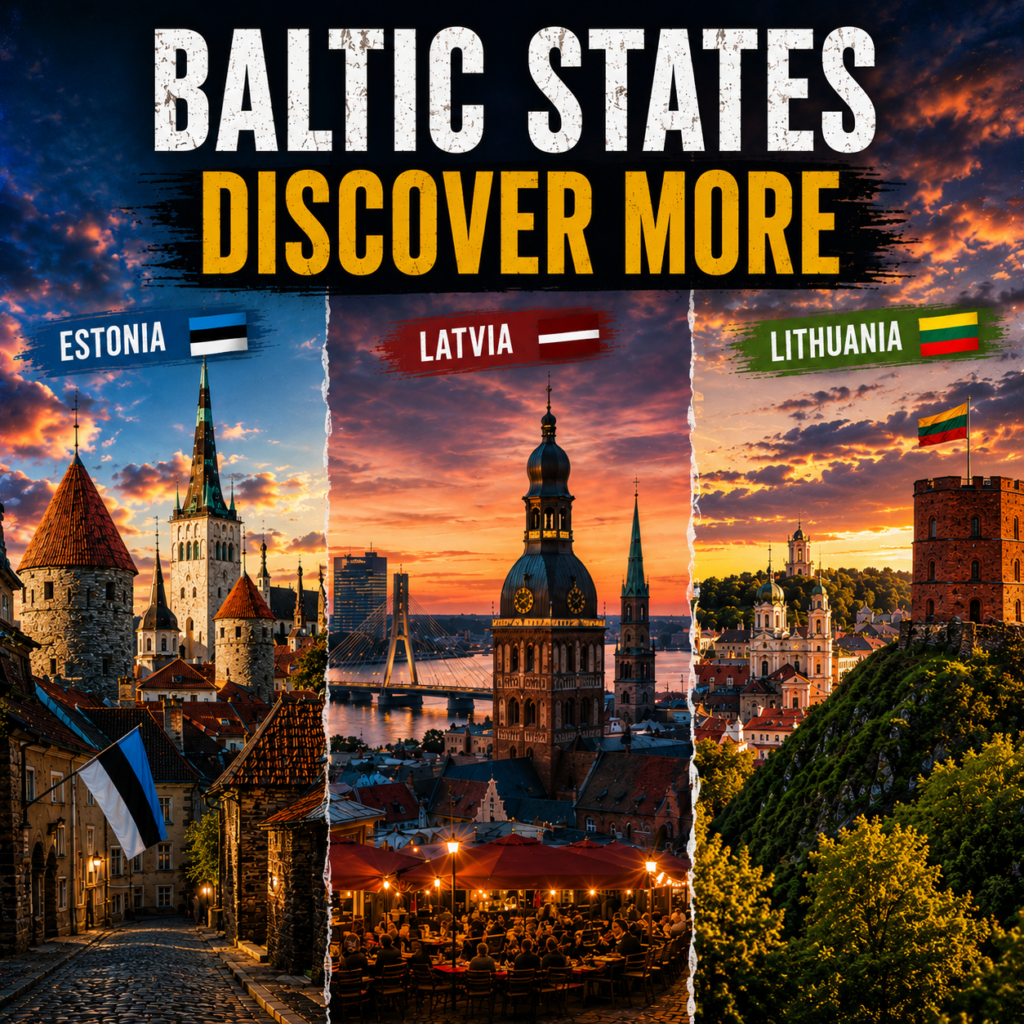
Top 5 Unusual Latvian Dishes: What Tourists Should Try
Latvian cuisine rarely appears at the top of European food rankings, but that is exactly what makes it interesting. Here, rye bread can become a dessert, peas can take centre stage at festive meals, and carrots and potatoes can unexpectedly turn into a sweet pie. Traditional Latvian cuisine was shaped by simple local ingredients: rye, potatoes, dairy products, fish, meat and foods that could be preserved during the long northern winters.Maizes zupa — a soup that is actually a dessertOne of Latvia’s most unusual desserts is called maizes zupa, which literally translates as “bread soup”. It is made from dark rye bread mixed with dried fruit, berries and spices, then served with whipped cream. For many visitors, the combination of the words “bread” and “soup” may sound like a main course, but in Latvia it is actually a sweet dessert with the rich, distinctive flavour of rye bread.Sklandrausis — a pie made with potatoes and carrotsAt first glance, sklandrausis looks like an ordinary small pastry. But inside is an unusual combination of potato and carrot purée, built on a base of rye dough. The result is a distinctive balance of sweet, vegetable and earthy flavours. The dish comes from the Kurzeme region and is such an important part of Latvian food culture that it has received Traditional Speciality Guaranteed status in the European Union.Pelēkie zirņi ar speķi — grey peas with baconIn most European countries, peas are simply a side dish or an ingredient in soup.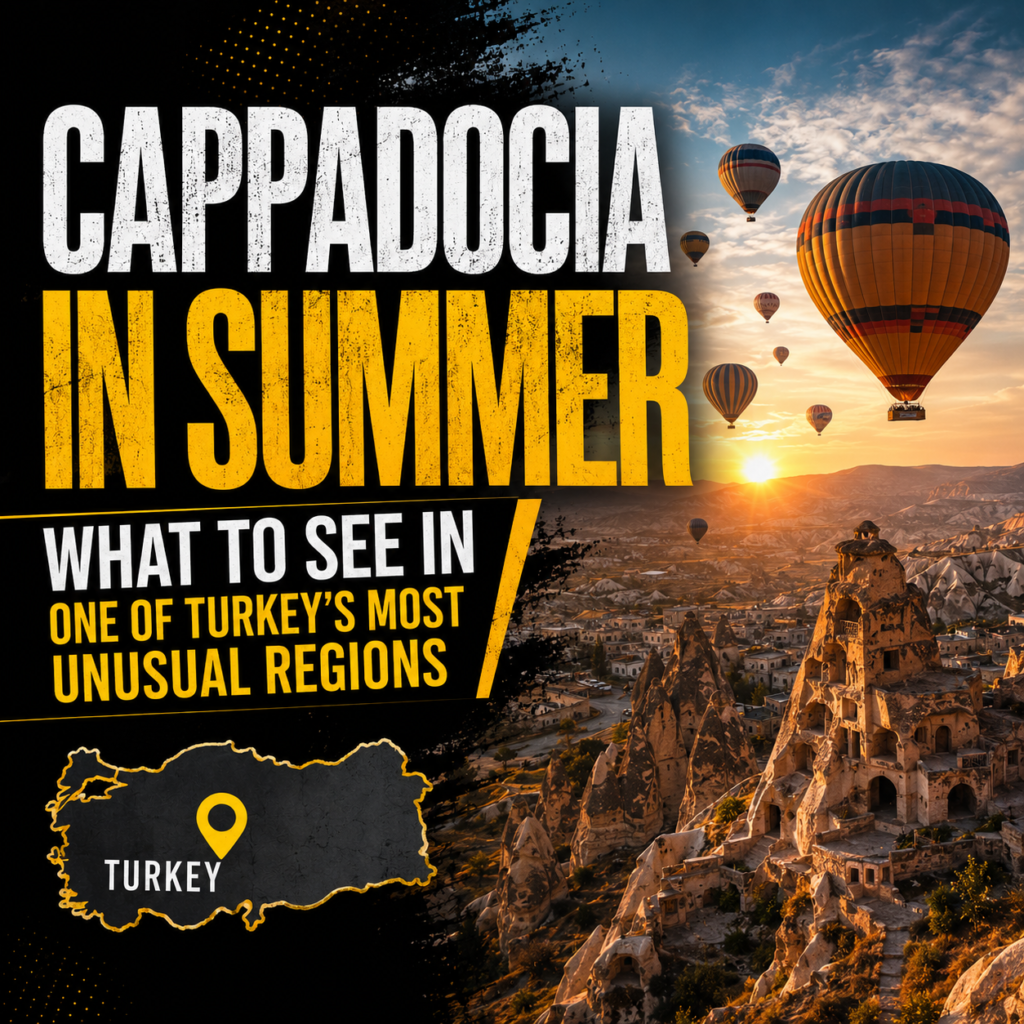
Cappadocia in Summer: What to See in One of Turkey’s Most Unusual Regions
Cappadocia has long been one of Turkey’s most recognisable destinations. Hot air balloons at sunrise, cave hotels, ancient underground cities and extraordinary valleys have made the region popular with travellers from across Europe. While spring and autumn are often considered the classic seasons to visit, Cappadocia in summer offers a completely different experience.Summer days can be hot, but early mornings and evenings are ideal for exploring. That is why many travellers plan their days around sunrise and sunset. The morning begins with the region’s most famous sight — dozens of hot air balloons rising above the valleys. Even without taking a flight, watching this scene from one of the viewpoints in Göreme is an experience in itself.One of the main places worth visiting is the Göreme Open-Air Museum. The site features churches, monasteries and ancient rooms carved directly into the rock, offering a glimpse into the region’s long history. Afterwards, visitors can explore Love Valley, known for its unusual rock formations, or head to Red and Rose Valleys, which are especially impressive at sunset.Another essential stop is the underground cities of Kaymaklı and Derinkuyu. Beneath the surface lies an entire network of tunnels, living spaces, storage rooms and ventilation shafts. When temperatures rise outside, descending into one of these ancient underground cities is not only a journey into history but also a welcome escape from the summer heat.
The Best Coffee Shops in Paris in 2026: Where to Find Really Good Coffee
Paris has long been associated with classic cafés, small tables on the pavement and a cup of espresso or café crème. But in recent years, the city’s coffee culture has changed significantly. By 2026, Paris has become one of Europe’s leading destinations for specialty coffee lovers. Flat whites, filter coffee and beans from different parts of the world are becoming increasingly popular, while small independent coffee shops are appearing far beyond the city’s traditional tourist districts.Ten BellesTen Belles is considered one of the symbols of Paris’s new coffee culture. The place has long gone beyond the idea of a traditional coffee shop: people come here not only for coffee, but also for fresh pastries and the atmosphere of a modern Parisian neighbourhood café. For anyone who wants to understand what specialty coffee looks like in Paris, this is one of the most obvious places to start.Dreamin’ ManDreamin’ Man feels more like a small independent coffee shop from Tokyo that somehow found its way to Paris. Its minimalist atmosphere and serious approach to coffee have made it a well-known destination among specialty coffee enthusiasts. There is no need to rush here — it is a good place to take a quiet break while exploring the city.Boot CaféBoot Café is one of those places that is easy to walk past. This tiny coffee shop, located in a former shoe repair shop, has become an established part of the coffee scene in Le Marais.
A New Era of Night Trains Is Beginning in Europe: Travelling Between Countries While You Sleep
A new wave of night train travel is beginning across Europe. In 2026 and 2027, new routes are expected to appear across the continent, while several companies are developing a serious alternative to short-haul flights. One of the most notable projects is the expansion of European Sleeper, which has already launched international night services and is preparing additional routes across Europe.Europe Is Bringing Back Sleeper Trains: Travelling Between Countries OvernightEuropean travel is gradually changing. After decades of declining night rail services, sleeper trains are returning to the continent’s transport network. New overnight connections are being introduced, while further expansion is expected in the coming years.One of the key players is European Sleeper. The company already operates international night services connecting major European cities, including Brussels, Berlin and Paris, and is planning further expansion. A new route linking Brussels, Cologne, Zurich and Milan is expected to become one of the next major developments, creating another overnight connection between Northern, Central and Southern Europe.The planned Milan route could be particularly interesting for European travellers. Instead of flying, passengers could board a train in Belgium in the evening, spend the night on the move and continue their journey through Switzerland towards Italy the following morning.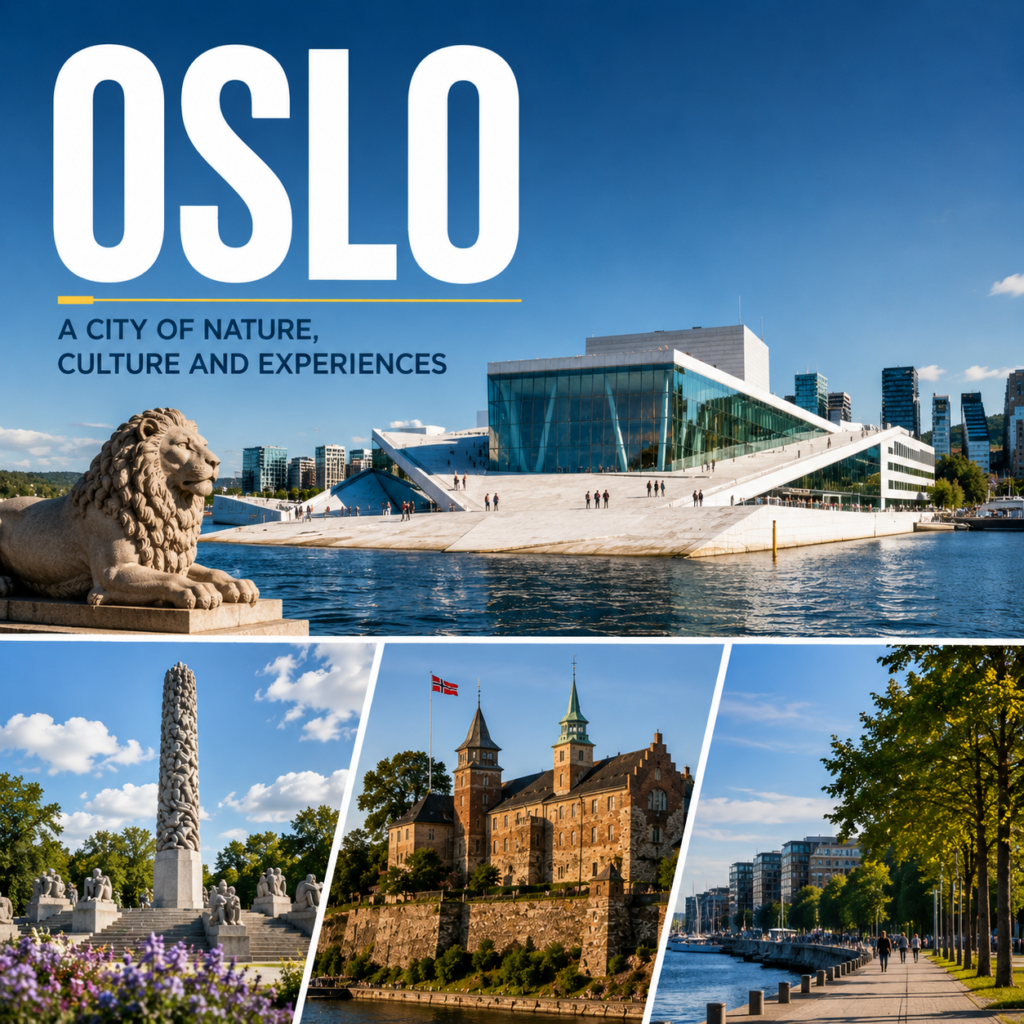
What Free Places Can You Visit in Oslo? 6 Ways to Explore Norway Without Spending a Fortune
Oslo is considered one of the most expensive cities in Europe. Prices for restaurants, hotels and entertainment can surprise even experienced travellers. But the Norwegian capital has another side: many of its most interesting public spaces, parks, architectural landmarks and natural areas can be visited completely free of charge. You can experience Oslo without buying expensive tickets — simply step away from the usual list of museums and start exploring the city on foot.Vigeland Sculpture Park — one of Europe’s most unusual parksThis is probably one of the best-known free attractions in Oslo. Vigeland Park, located within Frogner Park, is home to an extraordinary collection of sculptures by Norwegian artist Gustav Vigeland. The park features more than 200 sculptures made of granite, bronze and wrought iron, portraying people at different stages and moments of life — from childhood to old age.The park’s most famous landmark is the iconic Monolith, a towering sculpture made up of dozens of intertwined human figures. But Vigeland Park is about much more than a single attraction. It feels like an open-air museum, and walking through the park is completely free.Oslo Opera House — architecture you can walk onEven if you are not planning to buy a ticket for a performance, the Oslo Opera House is still worth visiting. Its striking architecture has become one of the symbols of modern Norway.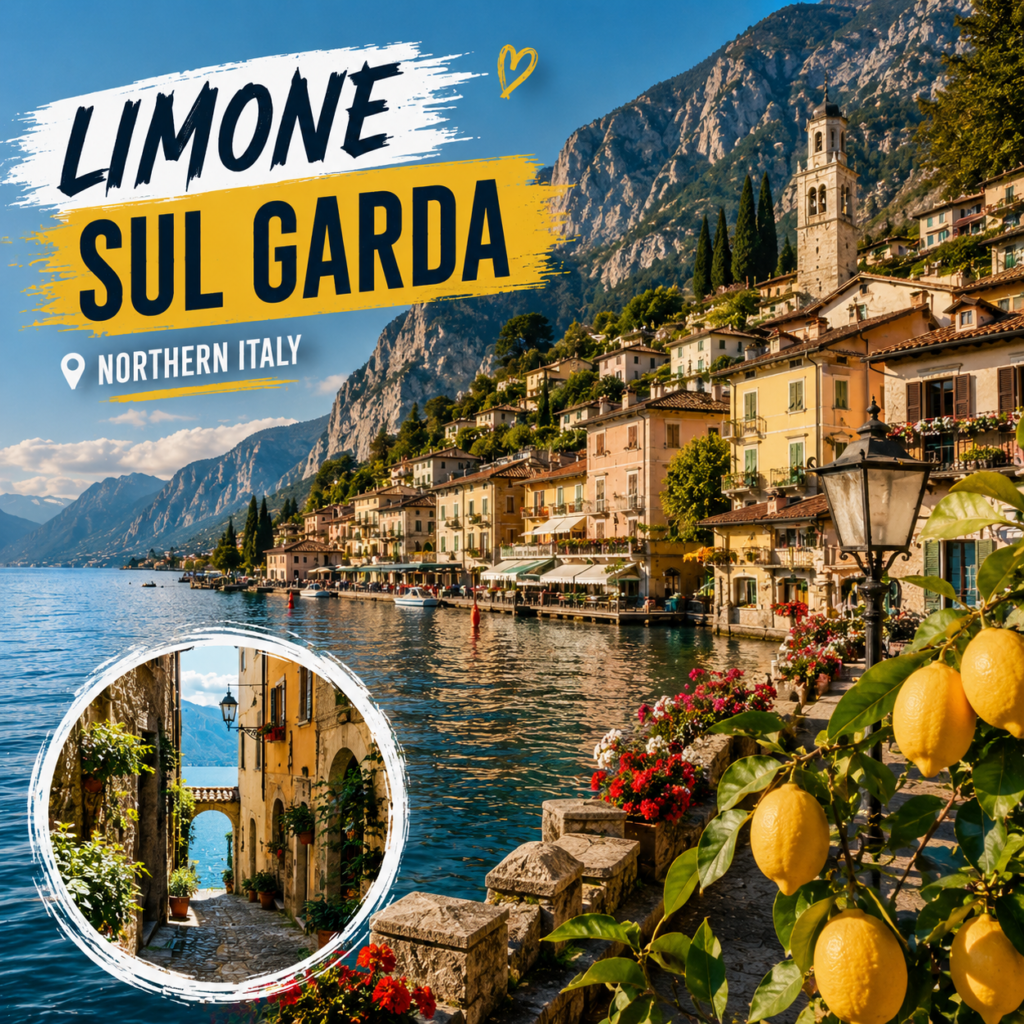
A little-known town in northern Italy: why you should visit Limone sul Garda
When travellers plan a trip to northern Italy, their lists usually include Milan, Venice, Verona or the famous towns around Lake Como. Lake Garda is also well known, but even there, most visitors tend to choose the more popular destinations. Yet on its northwestern shore lies a small town that looks as if it were designed for a postcard.Limone sul Garda is one of those Italian towns where the mountains seem to rise almost directly from the water. Historic houses, narrow streets and small squares are built along the slopes above the lake, creating a setting that feels almost cinematic. There is no sense of a large city, endless traffic or crowded urban streets. Instead, visitors find lakeside walks, small cafés, boats in the harbour and the dramatic backdrop of the Alps surrounding the town.The name Limone immediately brings lemons to mind, and not without reason. For centuries, the town was known for growing citrus fruits, something that seems unusual for a region located so far north in Italy. Thanks to the mild microclimate created by Lake Garda, lemons were successfully cultivated here despite the surrounding mountains. Today, lemon groves and historic lemon houses remain an important part of the town’s identity and one of its most distinctive attractions.The best way to explore Limone sul Garda is on foot. The historic centre is small enough to wander through without a plan, getting lost among narrow stone streets, stairways and passages between old buildings.