
Search results

The Portuguese Way to Santiago: History, the Ocean, Ancient Roads and Fascinating Facts
The Portuguese Way is one of the best-known pilgrimage routes leading to Santiago de Compostela, passing through Portugal and northwestern Spain. What makes this journey distinctive is the combination of historic cities, the Atlantic coast, ancient roads and a tradition that stretches back many centuries. Unlike a conventional tourist route, the Portuguese Way is built around gradually moving towards a single destination, yet for many modern travellers, religion is no longer the only reason to set out. Some walk for the history, others for the physical challenge, the chance to spend several weeks constantly moving, or the opportunity to see Portugal and Galicia at a completely different pace.The essence of the route remains unchanged: the traveller makes their way towards the Cathedral of Santiago de Compostela, the traditional destination of the pilgrimage associated with the veneration of the apostle James. Pilgrimage roads through Portugal have been used for centuries, and the importance of the Portuguese routes grew after the formation of the independent Portuguese state in the 12th century. There is no single compulsory version of the journey. Travellers can begin in Lisbon, Porto, smaller towns in northern Portugal or even in Spanish Galicia, choosing a distance and format that suit their own abilities.This variety is exactly what makes the Portuguese Way particularly interesting.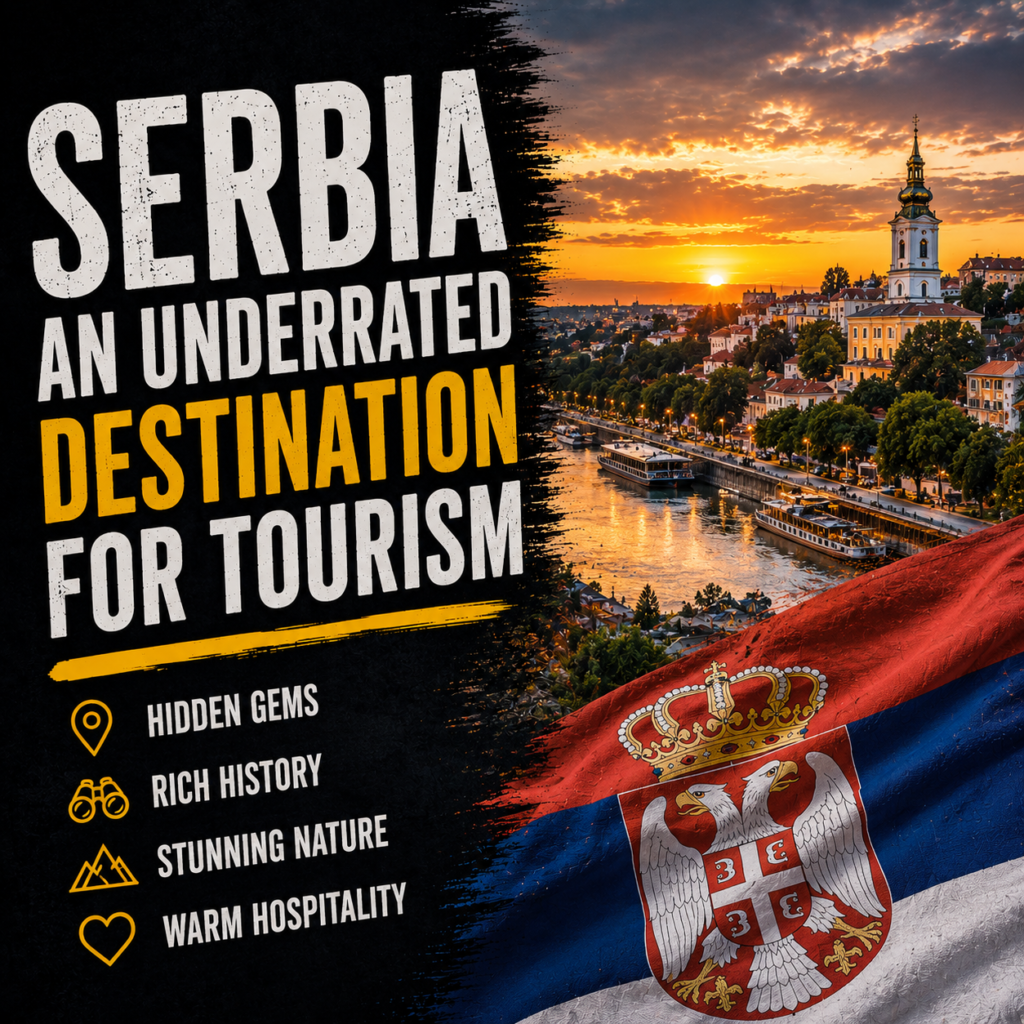
Why Serbia Remains an Underrated Destination for Travel Across Europe
Serbia remains one of those European countries that many travellers still overlook without a good reason. When people think about travelling around the Balkans, attention often goes to Croatia, Montenegro or Greece, while Serbia is frequently seen only as a transit point or a destination for a short visit to Belgrade. Yet the country offers a far more diverse experience, combining major cities with an active cultural life, medieval monasteries, Roman heritage, the Danube, mountain landscapes, national parks and smaller towns with completely different characters. For many travellers, the lack of excessive international tourism has become one of Serbia’s greatest advantages.Serbia does not try to present itself as a perfect postcard designed exclusively for visitors. That is an important part of its appeal. Historic districts exist alongside modern city life, busy cafés stand near fortresses and museums, and travelling beyond the capital quickly changes the impression of the country. Within a few hours, it is possible to move from the lively streets of Belgrade to the forests of Tara or the banks of the Danube, where the landscape feels completely different. Serbia’s geographical and cultural diversity makes it a destination that can offer much more than a single-city break.Interest in Serbia is certainly growing, but compared with many of Europe’s major tourism centres, the country is still not seen as an obvious choice for a mainstream holiday.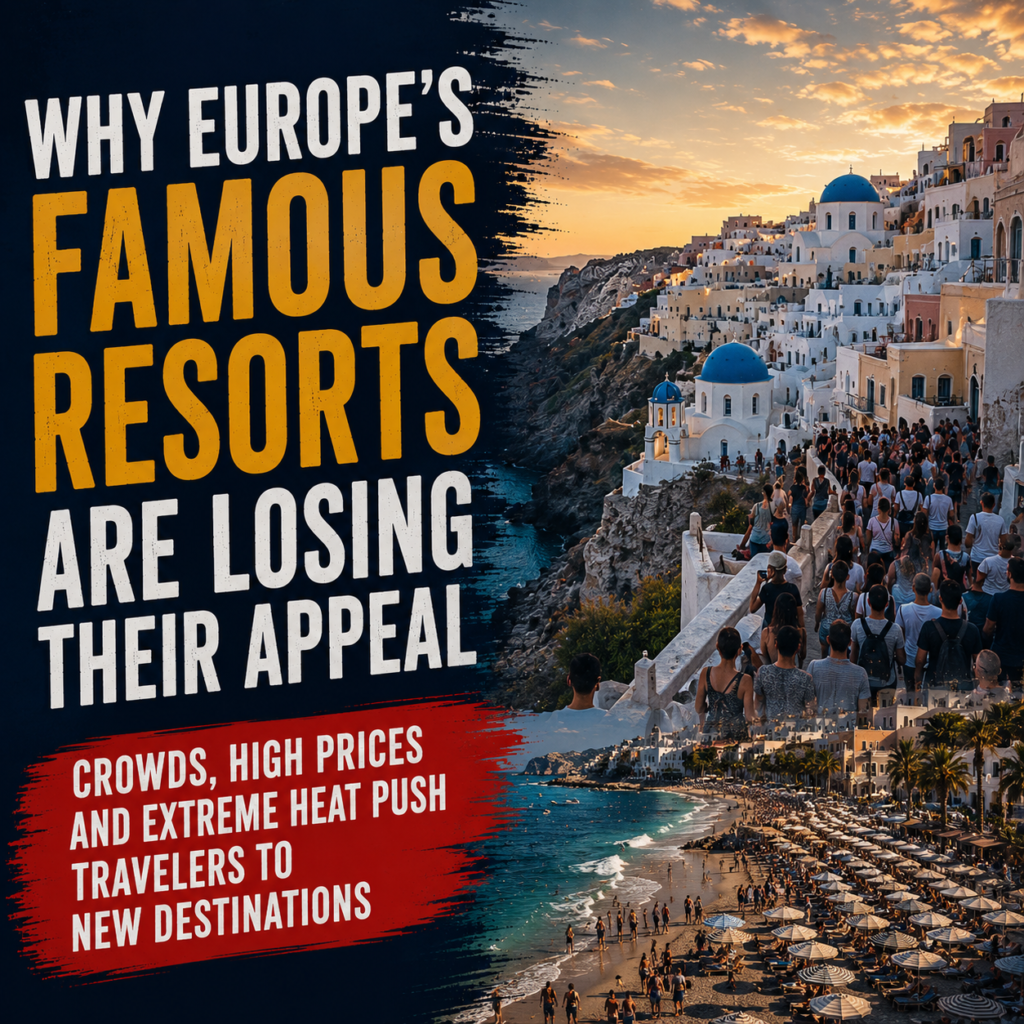
Why Popular European Resorts Are Gradually Losing Visitors and Changing Their Reputation
Not long ago, the success of a famous resort could be measured quite simply: by the number of arriving tourists, fully booked hotels, queues at major attractions and steadily growing demand. Santorini, Mallorca, Ibiza and other well-known destinations were considered almost guaranteed choices for a successful holiday. Their reputation worked on its own. It was enough to mention the name of an island or show a few photographs for travellers to imagine the sea, sunshine and famous landscapes. However, Europe’s tourism map is gradually changing, and the popularity of some destinations is beginning to create problems of its own.Crowded streets, expensive accommodation, rising holiday costs, climate change and growing frustration among local residents are forcing travellers to choose their destinations more carefully. Many people no longer want to spend their holidays standing in constant queues, searching for space on overcrowded beaches or paying significantly more simply for a famous name. This does not mean that Europe’s best-known resorts will suddenly be left without visitors. Instead, attitudes towards them are changing, and the status of being a popular destination is no longer always seen as an unquestionable advantage.At the same time, interest is growing in lesser-known regions, smaller islands and destinations with a calmer atmosphere.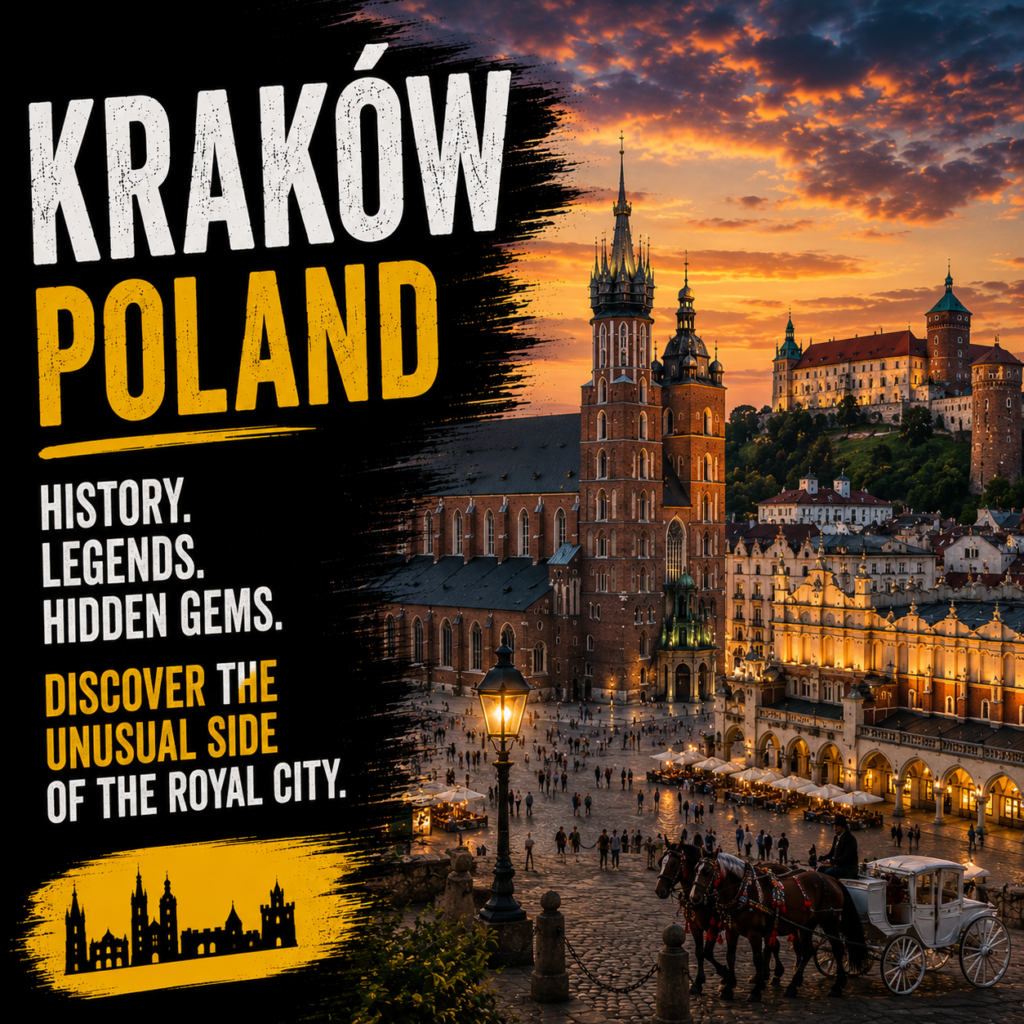
Poland and Kraków: What Interesting and Unusual Places Can You Discover During a Trip?
Kraków is often seen as a city that can be understood through postcards: the Main Market Square, Wawel Castle, historic churches and narrow streets in the old town. But behind this familiar tourist image lies a much more complex and unusual city. Here, visitors can go beneath one of Europe’s most famous squares to see the remains of medieval Kraków, walk through the former Jewish quarter, climb an ancient mound with panoramic views over the city or explore districts where the history of the twentieth century feels just as present as the legacy of kings and medieval merchants. Kraków is particularly interesting because of its contrasts: grand architecture exists alongside industrial districts, legends mix with real history, and some of the city’s most unusual places are located only minutes away from the crowded tourist centre.For a first visit, it makes sense to begin with Kraków’s famous landmarks, but not to limit the experience to their most obvious features. Wawel is more than a castle on a hill. It is an entire historical complex with underground spaces, archaeological discoveries and legends about a dragon. The Main Market Square may appear completely open and familiar until you discover that beneath its surface lies an entire museum dedicated to the medieval city. The former districts of Kazimierz and Podgórze reveal a very different side of Kraków through the history of its Jewish community, the Second World War and the city’s post-war development.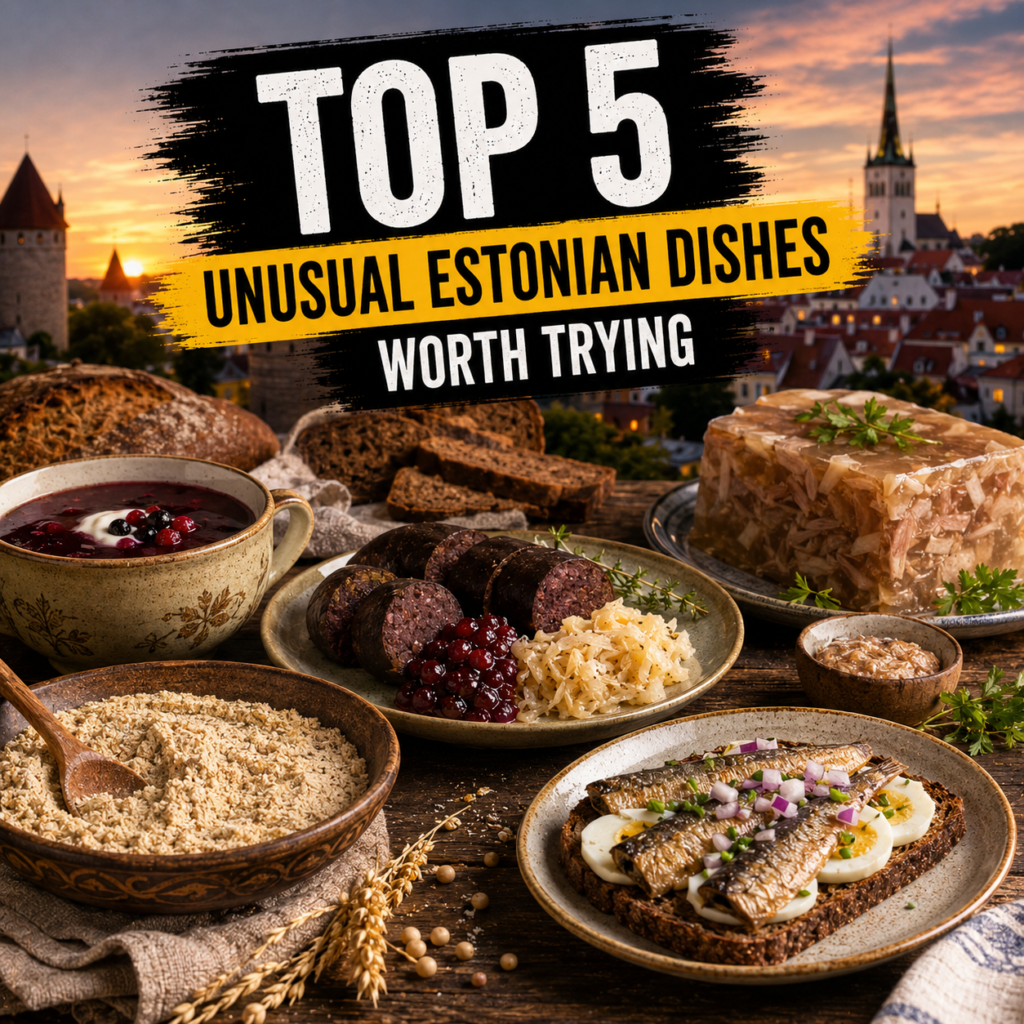
Top 5 Unusual Estonian Dishes Worth Trying During Your Trip
Estonian cuisine is rarely the first thing that comes to mind when people think about gastronomic travel in Europe. Yet this is exactly what makes it interesting: many traditional dishes have preserved unusual combinations of ingredients, old cooking methods and flavours that are quite different from the restaurant traditions of Central and Southern Europe. Rye bread, fish, grains, potatoes, dairy products and meat all play an important role, while modern chefs are increasingly reinterpreting traditional recipes without losing their distinctly local character.Estonian food is particularly interesting for travellers who enjoy trying dishes that are difficult to find outside the country. Some may sound unusual simply because of their names, while others surprise visitors with the way they are prepared or the combinations of ingredients they use. Jellied meat, sweet rye bread soup, blood sausage and traditional grain mixtures with fermented dairy products may seem unfamiliar at first, but these dishes offer a direct connection to Estonia’s culture and culinary history.A trip through Estonia can easily become a gastronomic journey, especially if you look beyond international restaurants. In Tallinn, Tartu and smaller towns, traditional ingredients are increasingly appearing in modern interpretations, while local markets and traditional restaurants offer a closer look at the more everyday side of Estonian food.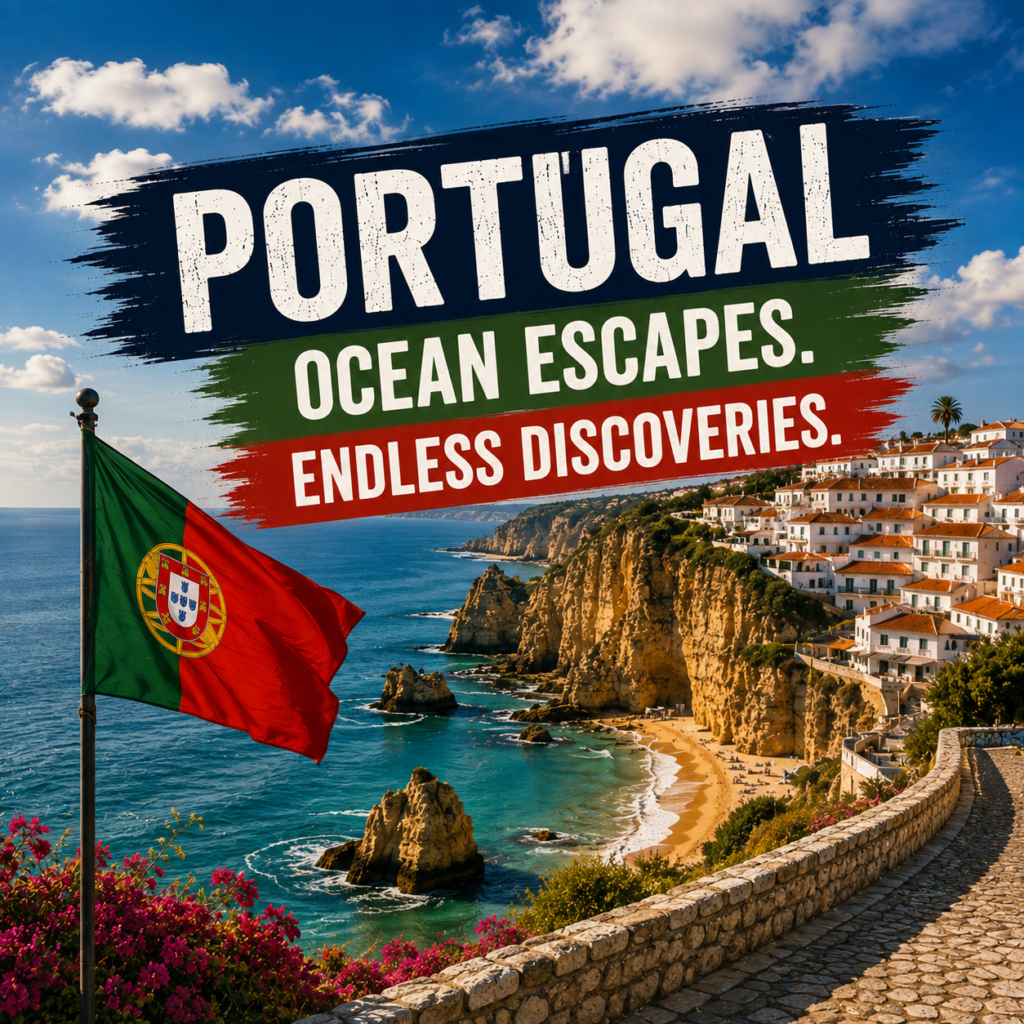
Portugal: An Ocean Holiday, What to See and Everything You Need to Know
Portugal is one of those destinations where a holiday by the ocean rarely means spending a few days on the same beach. The Atlantic coast becomes part of the journey itself: in the morning, you can walk through the historic streets of Lisbon, spend the afternoon on a wide sandy beach, and watch the sun disappear over the ocean from a small coastal town in the evening. Within just a few hours of travel, the landscape can change completely — from the lively resorts and golden cliffs of the Algarve in the south to the windy beaches of the central coast and the cooler, greener regions of the north.This variety is exactly what makes Portugal attractive to different types of travellers. People come here not only for a traditional beach holiday, but also for surfing, road trips along the coast, small fishing towns, local food and dramatic natural scenery. You can spend several days in Lisbon, then head to Cascais or Nazaré, travel through Peniche and Ericeira, or go south to the Algarve, where the Atlantic offers a completely different experience. Portugal makes it easy to combine city breaks, nature and the ocean in a single trip, allowing travellers to build an itinerary around almost any style of travel.But an Atlantic holiday comes with its own особенностями. The most important thing to understand before planning a trip is that Portugal is on the Atlantic Ocean, not the Mediterranean Sea. Even on a sunny summer day, the water can be cool, the waves can be strong and the wind can be noticeable.
Scotland and “Cool Tourism”: Why Escaping the Heat Is Becoming a New Travel Trend
Not long ago, many travellers chose their summer holidays according to one simple rule: the more sunshine and the higher the temperature, the better. Italy, Spain, Greece and other Mediterranean destinations were seen as the perfect places for summer, beaches and long days outdoors. But in 2026, travel habits are gradually changing. Against the backdrop of increasingly frequent heatwaves across Europe, a new trend is emerging — the “coolcation,” or travelling to a cooler climate. And Scotland is becoming one of the key destinations for this new type of holiday.The idea behind the trend is simple: tourists are no longer always looking for the hottest possible destination. For many travellers, it is becoming more important to be able to walk comfortably, explore cities, hike through natural landscapes and spend time outdoors without constantly searching for air conditioning or escaping the midday sun. This is where Scotland gains an unexpected advantage. While parts of southern Europe can experience temperatures above 35–40°C, Scottish summers remain significantly cooler. According to VisitScotland, average maximum temperatures during the summer months are around 17°C, although conditions can vary considerably depending on the region.The trend is now moving beyond simple conversations about the weather. More travellers are choosing Scotland specifically for its cooler climate, describing these trips as “coolcations.”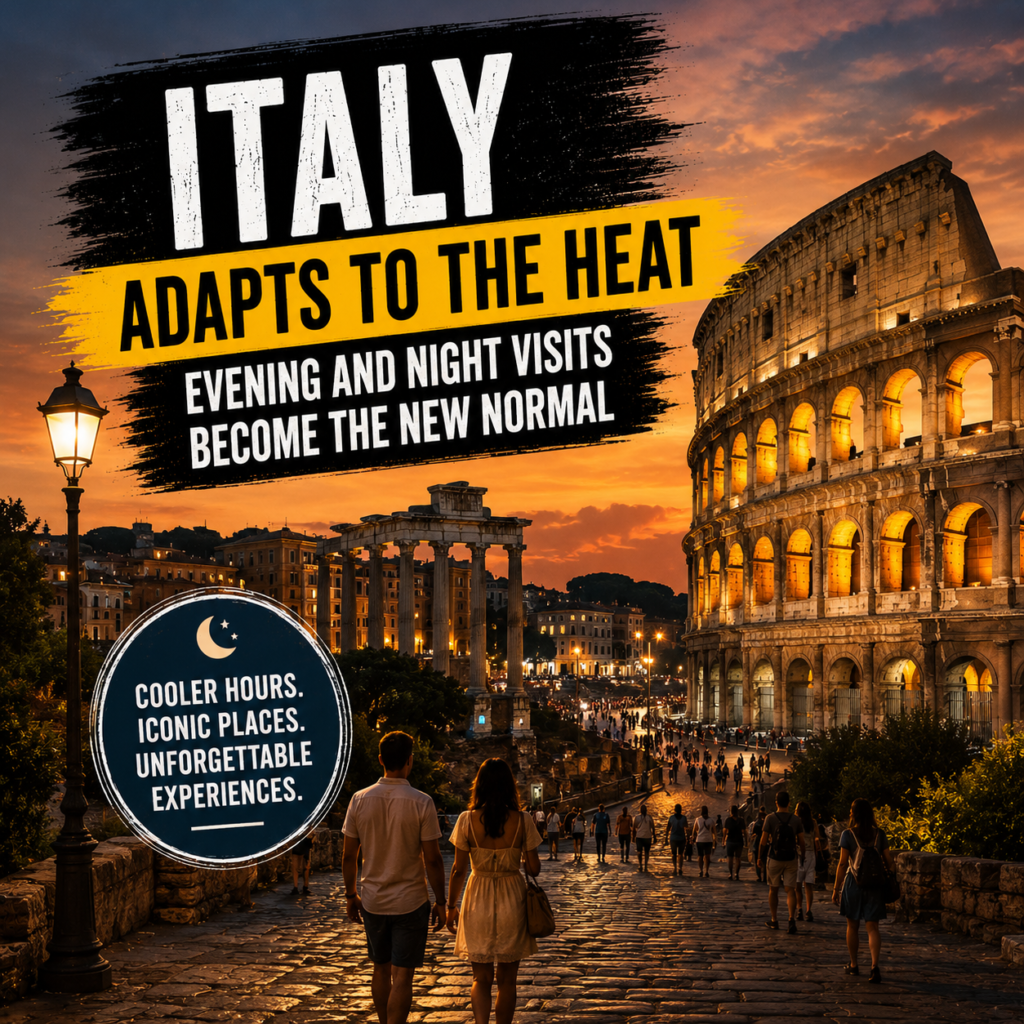
Italy Adapts Tourism to the Heat: Attractions Move Towards Evening and Night Visits
Extreme summer heat is increasingly changing the traditional rhythm of travel in Italy. Walking through historic city centres and visiting famous attractions in the middle of the day is becoming less comfortable, so the tourism industry is increasingly looking for alternatives: moving some activities into the evening, extending opening hours and developing new formats for night-time visits.One of the main reasons is the growing impact of extreme summer temperatures. In August 2026, Italy’s tourism and culture authorities launched an experiment to extend the opening hours of major attractions and museums, allowing visitors to explore them during cooler hours and helping to spread tourist flows more evenly throughout the day.As part of the special programme, the Colosseum introduced evening visits on Fridays and Saturdays until 11:30 PM, while the Pantheon remained open until 11:00 PM during August. In Rome, evening programmes were also introduced at the Roman Forum, the Baths of Caracalla, the Vittoriano complex and other historic sites.Italy is effectively beginning to change the entire logic of summer tourism. Instead of spending the whole day under intense sunlight, travellers can take a break during the hottest hours and move their sightseeing plans to the evening.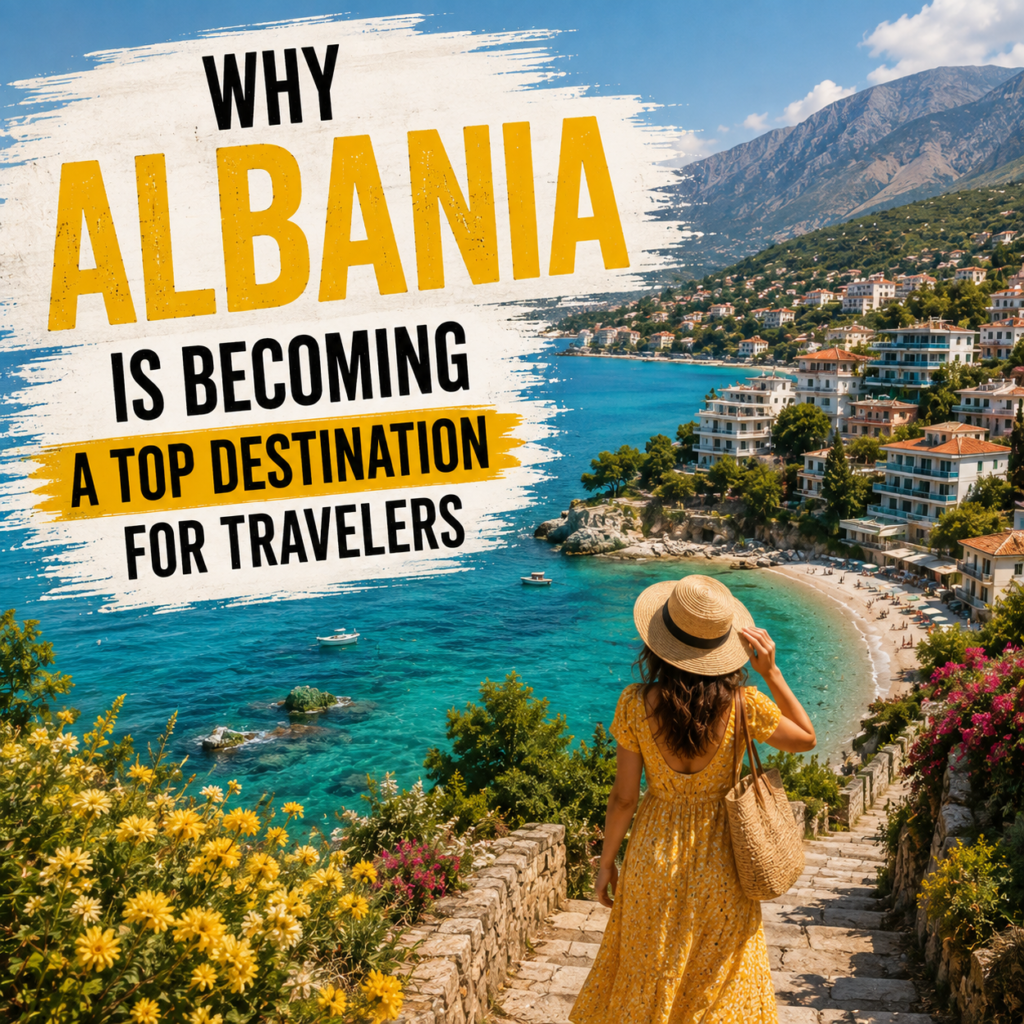
Why Albania Is Becoming Increasingly Popular with Tourists
Just a few years ago, Albania was still a destination that many European travellers knew far less about than neighbouring Greece, Croatia or Italy. Today, that is changing rapidly. More and more tourists are choosing the country for summer holidays, road trips across the Balkans and longer journeys through Southern Europe. Albania offers a rare combination of different travel experiences: a long Adriatic coastline, the scenic Albanian Riviera along the Ionian Sea, high mountains, historic towns and national parks. During a single trip, visitors can spend several days at the beach, drive through mountain landscapes, explore medieval architecture and discover a completely different side of the Balkans. This sense of variety, combined with the chance to experience the Mediterranean from a less familiar perspective, is gradually transforming Albania from an underrated destination into one of Europe’s most talked-about places to visit.One of the main reasons for its growing popularity is the coastline. Albania offers exactly what many travellers look for in the Mediterranean: clear water, beaches and scenic roads along the sea. The Albanian Riviera, with destinations such as Sarandë, Himarë and Ksamil, has become one of the country’s biggest attractions for summer travellers. But interest in Albania is no longer limited to the coast — tourists are increasingly exploring mountain regions, national parks and historic towns.The climate also plays an important role.