
Search results
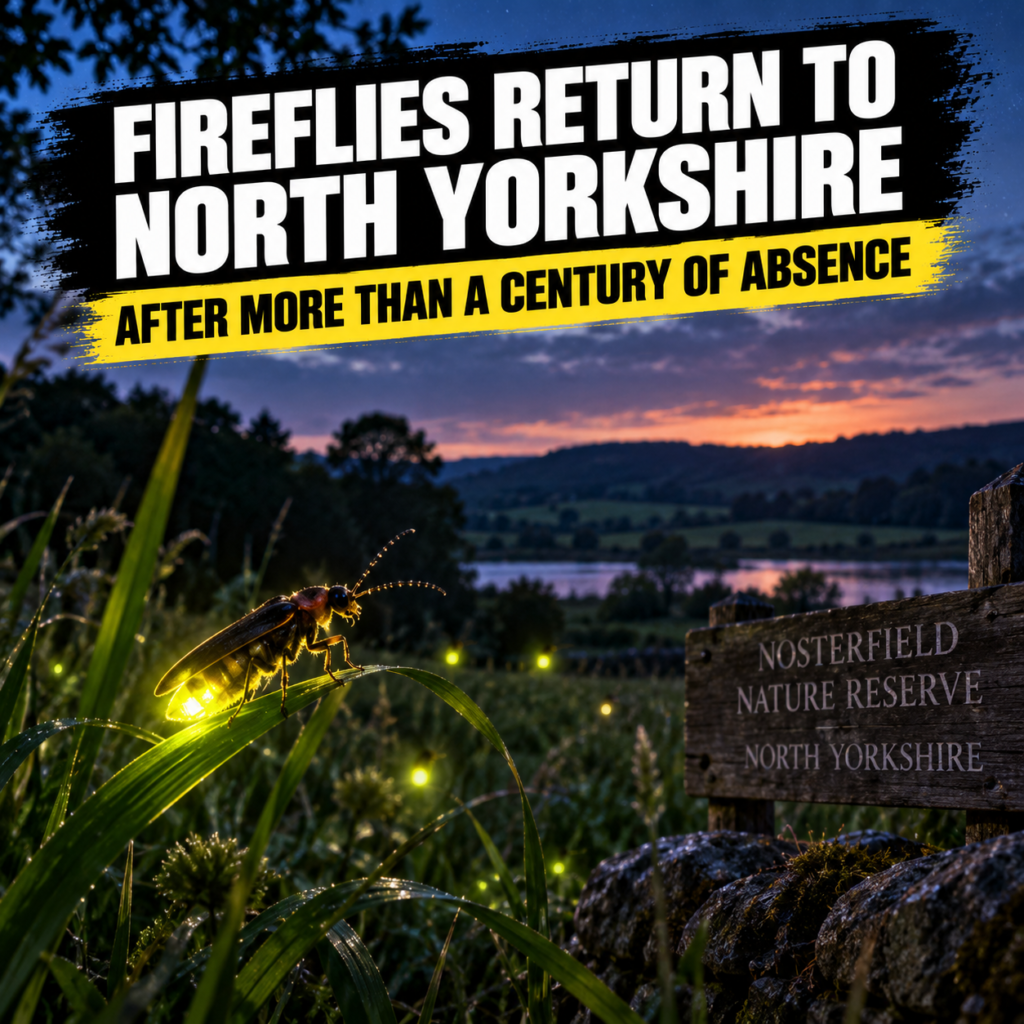
Fireflies Return to North Yorkshire After More Than a Century of Absence
After more than a century away, fireflies have returned to the Nosterfield Nature Reserve in North Yorkshire. The first glowing females were spotted in summer 2026, two years after captive-raised larvae were released at the reserve. For local conservationists and volunteers, the discovery became an important sign that efforts to restore the species may actually be working. Fireflies are particularly sensitive to changes in their environment, so their return says something not only about the insects themselves but also about the recovery of suitable habitat. The project is notable for another reason: it has relied heavily on volunteers who helped raise larvae, monitor the site, and observe adult insects as they emerged.The return did not happen overnight. The first larvae were released at Nosterfield in 2024, but fireflies need roughly two years to complete their life cycle and reach adulthood. As a result, the first meaningful signs of success appeared only in summer 2026, when volunteers recorded up to 12 glowing females over several weeks. Researchers consider this an encouraging beginning, but they do not yet regard the population as fully restored. A clearer picture will emerge after the new generation completes its own life cycle and begins reproducing naturally, without continued assistance from conservationists.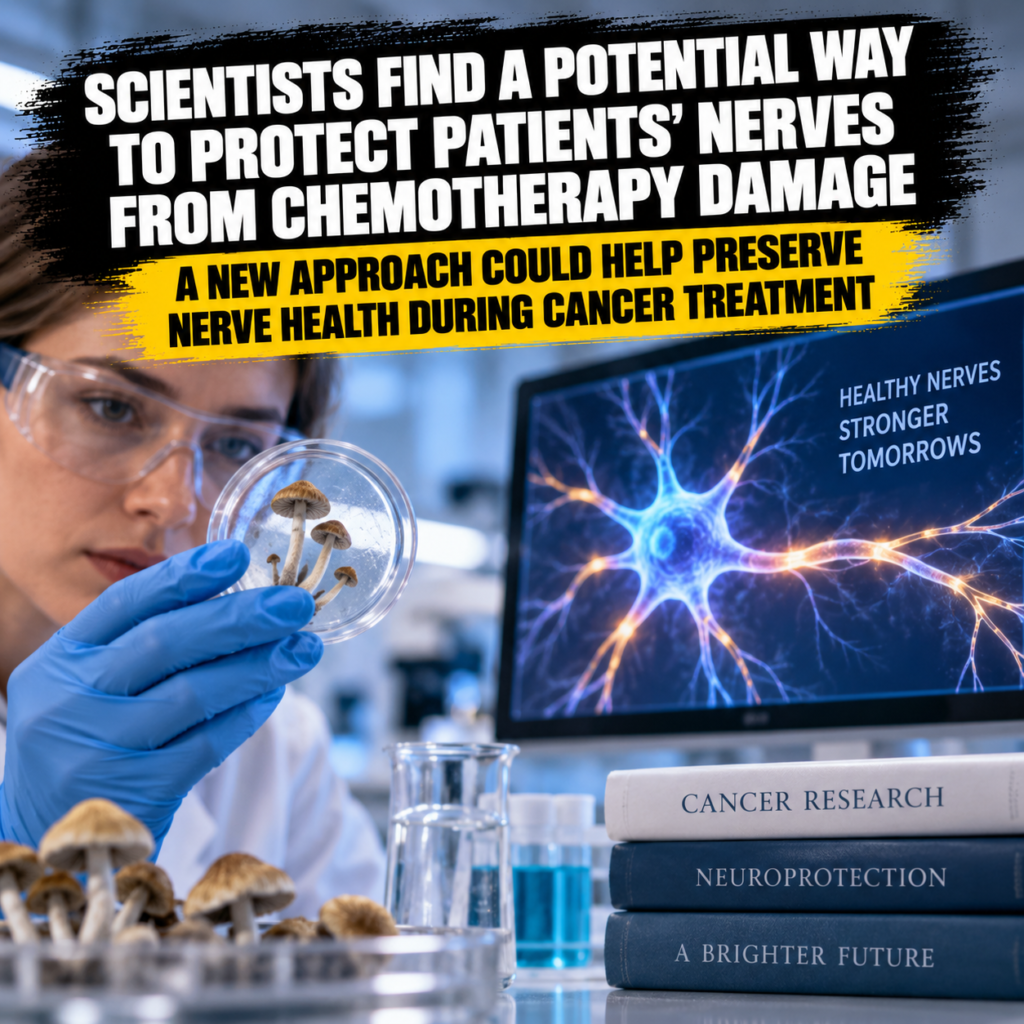
Scientists Find a Potential Way to Protect Patients’ Nerves from Chemotherapy Damage
Chemotherapy remains one of the most important treatments for many types of cancer, but its effects do not always stop at tumor cells. Some drugs can damage peripheral nerves, causing a condition known as chemotherapy-induced peripheral neuropathy. Patients may experience tingling, numbness, burning, pain, and increased sensitivity to cold or touch. In some cases, these unpleasant symptoms continue long after treatment has ended and can significantly affect everyday life. A new study by American scientists has suggested an unusual potential approach: protecting nerve cells from damage before chemotherapy begins using psilocybin, a psychoactive compound known as the active substance in certain types of mushrooms. So far, the findings have mainly come from experiments in animals, meaning it is still too early to consider this a ready-to-use treatment for people.Researchers found that two doses of psilocybin given to mice before chemotherapy helped preserve nerve sensitivity and the structure of peripheral nerves. The protective effect remained visible through several treatment cycles, while chemotherapy continued to act on tumor cells. Particularly interesting was the discovery that the effect may be linked less to the compound’s psychoactive properties and more to its action on a specific serotonin receptor and mitochondrial function inside nerve cells. Experiments with a non-psychoactive compound acting on the same biological pathway also showed a protective effect.
A New Pancreatic Cancer Drug Shows Strong Potential After Doubling Median Survival
Pancreatic cancer remains one of the most difficult cancers to treat, particularly when the disease has spread to other parts of the body and has already progressed after initial therapy. For many years, researchers have struggled to find treatments capable of effectively targeting the molecular mechanisms that drive pancreatic tumors. A major development came on August 26, 2026, when the U.S. Food and Drug Administration approved daraxonrasib, marketed as Rasonque, for adults with metastatic pancreatic adenocarcinoma who have previously received systemic treatment or are not candidates for combination systemic therapy. The approval followed results from a large phase 3 clinical trial in which the drug produced a substantial improvement in survival compared with standard chemotherapy.The results of the RASolute 302 trial were particularly notable because patients receiving daraxonrasib had a median overall survival of 13.2 months, compared with 6.7 months among patients receiving standard chemotherapy. The drug also extended the period before the disease progressed and produced tumor responses in a considerably larger proportion of participants. These findings do not mean that pancreatic cancer has been cured, and they do not guarantee the same result for every patient. However, they represent an important advance for people whose disease has progressed after earlier treatment and provide evidence that targeting the RAS signaling pathway can produce meaningful clinical benefits.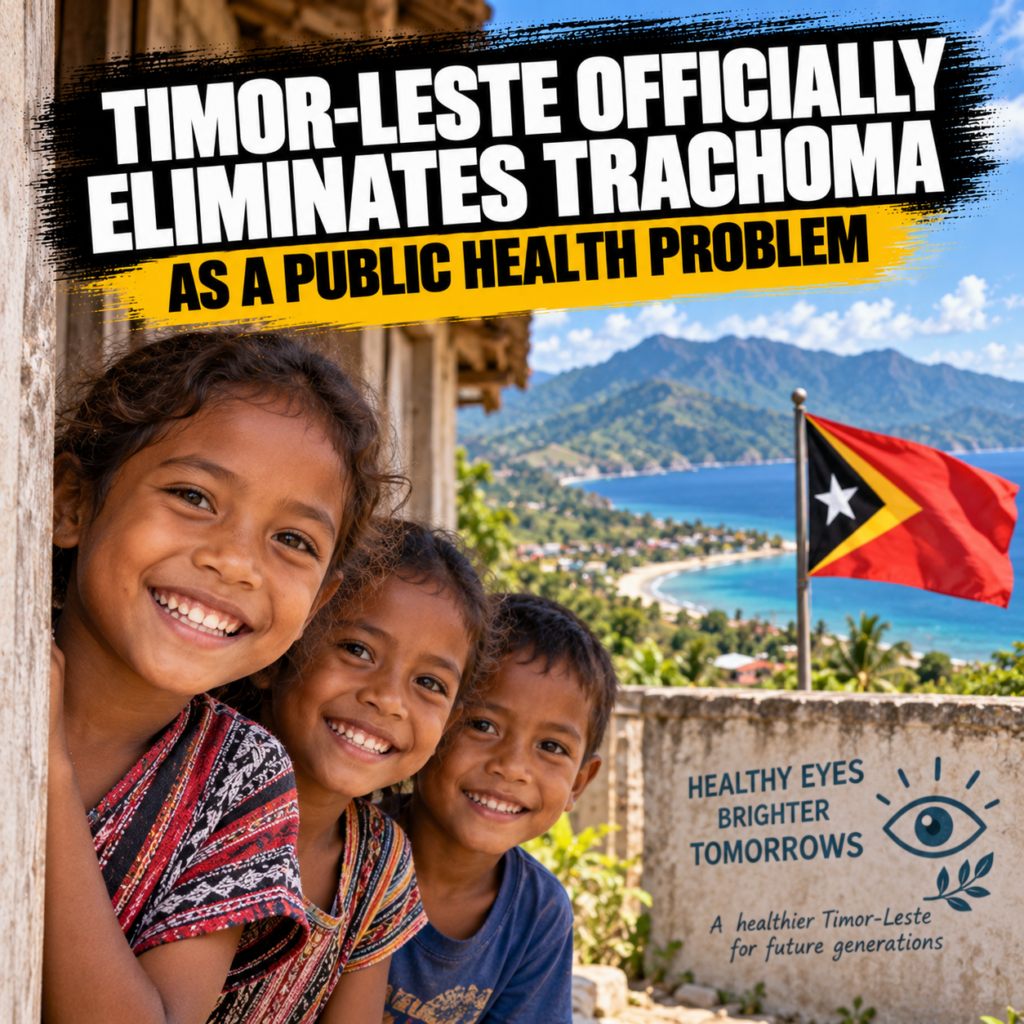
Timor-Leste Officially Eliminates Trachoma as a Public Health Problem After Years of Disease Control
On September 3, 2026, the World Health Organization officially confirmed that Timor-Leste had eliminated trachoma as a public health problem. This is an important achievement for a country where the disease had remained a subject of epidemiological concern because of its potential to spread and its serious consequences for eyesight. Trachoma is an infectious eye disease caused by certain strains of the bacterium Chlamydia trachomatis. Repeated infections can gradually damage the inner surface of the eyelids, causing the eyelashes to turn inward and scratch the cornea. Without timely treatment, this process can lead to irreversible vision loss and blindness.The WHO decision was the result of years of evidence gathering, population monitoring and assessment of the national health system’s ability to detect possible cases in the future. Timor-Leste became the 33rd country in the world to receive official validation for eliminating trachoma as a public health problem and the fourth country in the WHO South-East Asia Region to achieve this result. The significance extends beyond one country: Timor-Leste was the last country in the region where trachoma had previously been considered a suspected endemic problem, meaning its validation indicates that there are no longer countries in the region requiring public-health-level interventions against trachoma.Trachoma is closely connected to the conditions in which people live and their access to basic health services.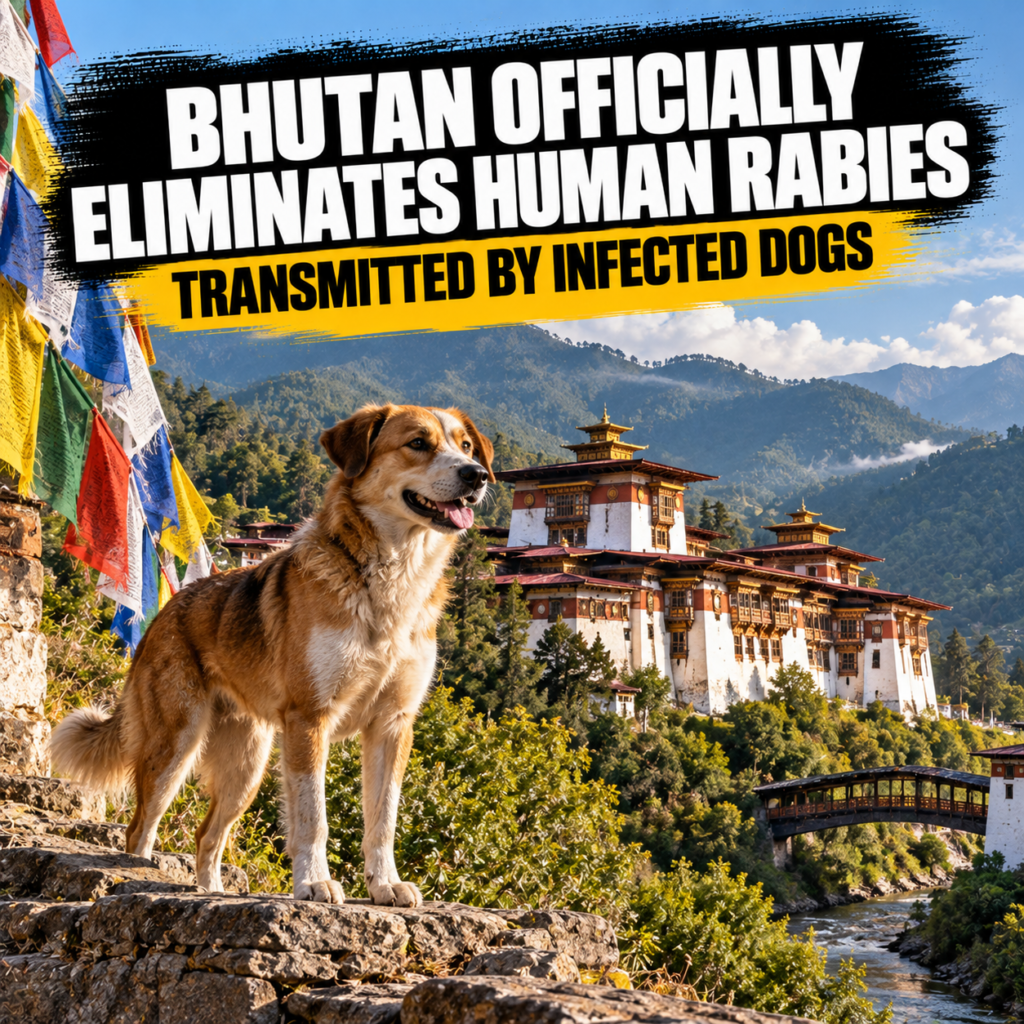
Bhutan Officially Eliminates Human Rabies Transmitted by Infected Dogs
Bhutan has achieved an important breakthrough in the fight against one of the world’s most dangerous infectious diseases associated with bites from infected dogs. On September 4, 2026, the World Health Organization confirmed that Bhutan had eliminated dog-mediated rabies as a public health problem. This does not mean that the rabies virus has completely disappeared from the country or that every risk associated with the disease has been removed. Instead, it means that Bhutan has achieved a sustained absence of human deaths caused by dog-mediated rabies while maintaining a system capable of preventing transmission from returning. Bhutan became the first country in the WHO South-East Asia Region to receive this official validation.Behind this achievement lies more than a decade of continuous work involving medical and veterinary services, local authorities, animal population management teams and communities. Mass vaccination of dogs, sterilization and registration of animals, disease surveillance, access to post-exposure treatment and public awareness campaigns all played an important role. Bhutan also continued working with neighboring areas of India because cross-border movement of animals remains one of the factors that could reintroduce the infection even after successful control has been achieved within the country.For Bhutan, the achievement is particularly significant because rabies had long represented a serious threat, especially in southern districts located near the Indian border.
Fez Is Restoring Its Historic Appearance Through a Large-Scale Revival of Its Ancient Medina
Fez is gradually changing its appearance as historic districts, buildings, and public spaces regain features that have shaped the unique atmosphere of the ancient city for centuries. This is not an attempt to create a decorative copy of the past, but a large-scale effort to preserve a real urban environment where traditional architecture remains part of everyday life. The medina of Fez was founded in the ninth century and developed particularly actively during the thirteenth and fourteenth centuries. In 1981, it was inscribed on the UNESCO World Heritage List as one of the best-preserved historic cities of the Arab-Muslim world.Restoration work has been continuing for many years, but its scale shows that this is a long-term strategy rather than a series of cosmetic repairs. According to figures presented by the authorities of the Fez-Meknes region in April 2025, around 3 billion dirhams had been invested in the rehabilitation of the medina between 2010 and 2025. During that period, 399 projects were implemented and work was carried out on approximately 4,671 buildings that were at risk of deterioration. The effort has gradually expanded beyond individual monuments to include residential structures, streets, public spaces, bridges, traditional workshops, and infrastructure.The main characteristic of Fez is that its historic center has never been simply an architectural museum.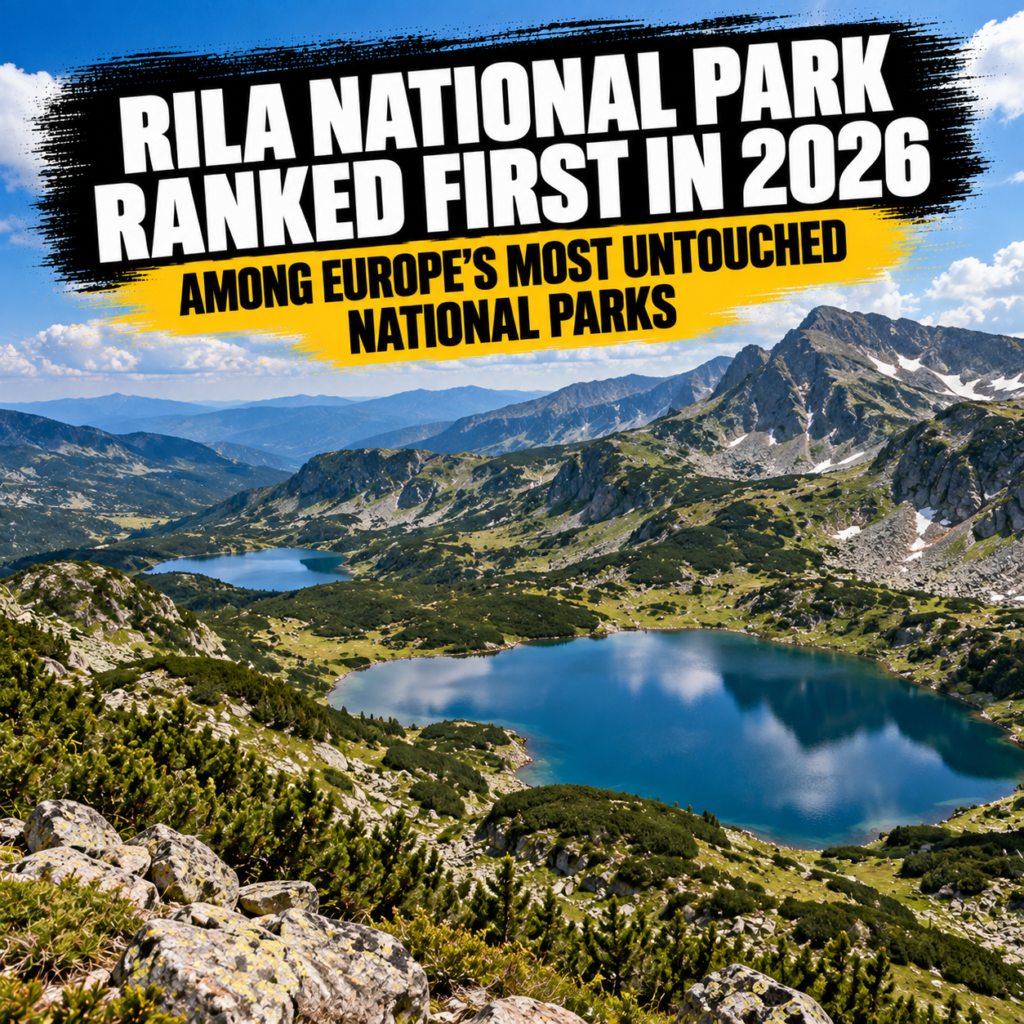
Rila National Park Ranked First in 2026 Among Europe’s Most Untouched National Parks
Rila National Park in Bulgaria has taken first place in a 2026 ranking of Europe’s most untouched national parks. The ranking highlighted the park’s exceptionally preserved landscapes, extensive forests, limited urban development and the strong sense of wilderness found across much of its territory. Rila stood ahead of several other famous European protected areas traditionally regarded as important strongholds of wild nature. The result has drawn renewed attention to one of Bulgaria’s most valuable natural regions and to the role that large protected landscapes can play in preserving ecosystems while remaining open to visitors. The ranking also reflects growing interest in destinations where travelers can experience mountains, forests, lakes and wildlife without encountering the intensive development found in many popular tourist regions.The result is particularly notable because Rila is not an isolated wilderness located far from populated areas. The mountain range is relatively accessible and has long attracted hikers, climbers and nature enthusiasts. The park is known for Mount Musala, the highest peak in the Balkans, as well as its glacial lakes, dense coniferous forests and high-altitude landscapes. Despite its popularity, large areas remain difficult to access and have experienced comparatively limited human intervention. This combination of accessibility and preservation has helped make Rila one of the most important examples of relatively intact mountain nature in Europe.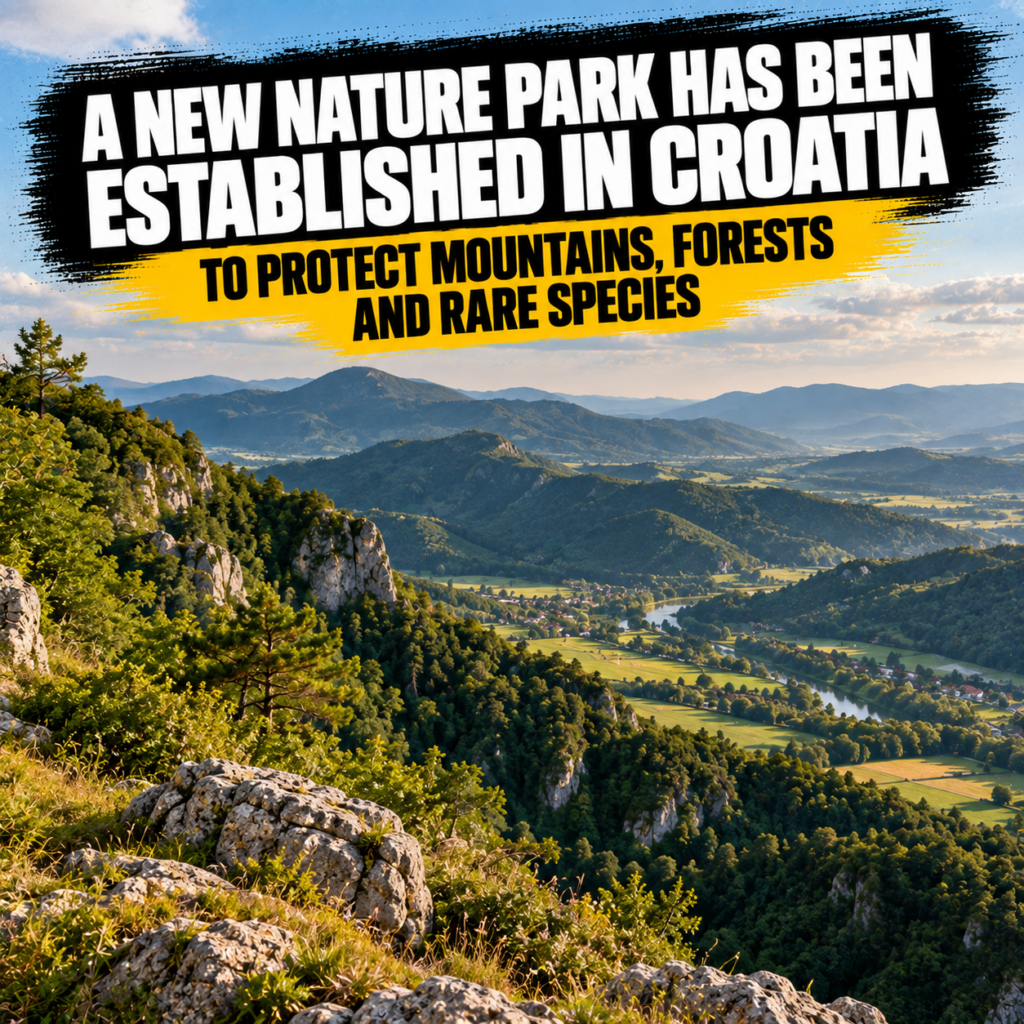
A New Nature Park Has Been Established in Croatia to Protect Mountains, Forests and Rare Species
Croatia has officially established a new nature park covering one of the most valuable natural regions in the northern part of the country. The Croatian Parliament unanimously adopted the law creating Zagorje Mountains Nature Park on March 6, 2026. The new protected area has become the country’s 13th nature park and brings together several mountain ranges, forests, meadows, rivers, wetlands, caves and other natural sites. The park covers approximately 300 square kilometers and is located across Krapina-Zagorje and Varaždin counties. The creation of the park represents more than a formal change in the status of the land. It establishes a long-term framework for protecting natural landscapes, biodiversity and geological heritage in northern Croatia while also creating opportunities for scientific research, environmental education and carefully managed tourism.The new park is particularly important because its natural characteristics are closely connected with the history and culture of the region. Its boundaries include Ivanščica, Strahinjčica, Macelj Mountain and Ravna Gora, as well as the Bednja area, while part of the protected territory reaches toward the border with Slovenia. The region contains old forests, diverse mountain landscapes, aquatic habitats and cave systems, together with locations of geological and paleontological importance.
Battery Energy Storage Systems Are Expanding Worldwide as Countries Reshape Modern Electricity Networks
The use of battery energy storage systems is growing rapidly as electricity grids face a fundamental transformation. Renewable sources such as solar and wind are becoming a larger part of national energy mixes, but their output changes with weather and time of day. Batteries provide a way to store electricity when production is high and release it when demand increases, helping grid operators manage these fluctuations. Falling technology costs, improvements in battery performance and the expansion of renewable power projects are all contributing to the growing role of storage. What was once mainly associated with small installations and experimental projects is increasingly becoming part of large-scale electricity infrastructure in many regions.The expansion of energy storage is also changing the way electricity systems are planned and operated. Batteries can respond within fractions of a second, making them useful for balancing supply and demand, supporting grid stability and reducing the need to rely on some conventional power plants during periods of peak demand. Their importance is becoming particularly visible in countries where solar and wind capacity is increasing quickly. As more renewable electricity enters the grid, the ability to store surplus generation and use it at a later time becomes an increasingly valuable part of the energy system.Battery storage is no longer limited to individual homes or small commercial facilities.