Search results
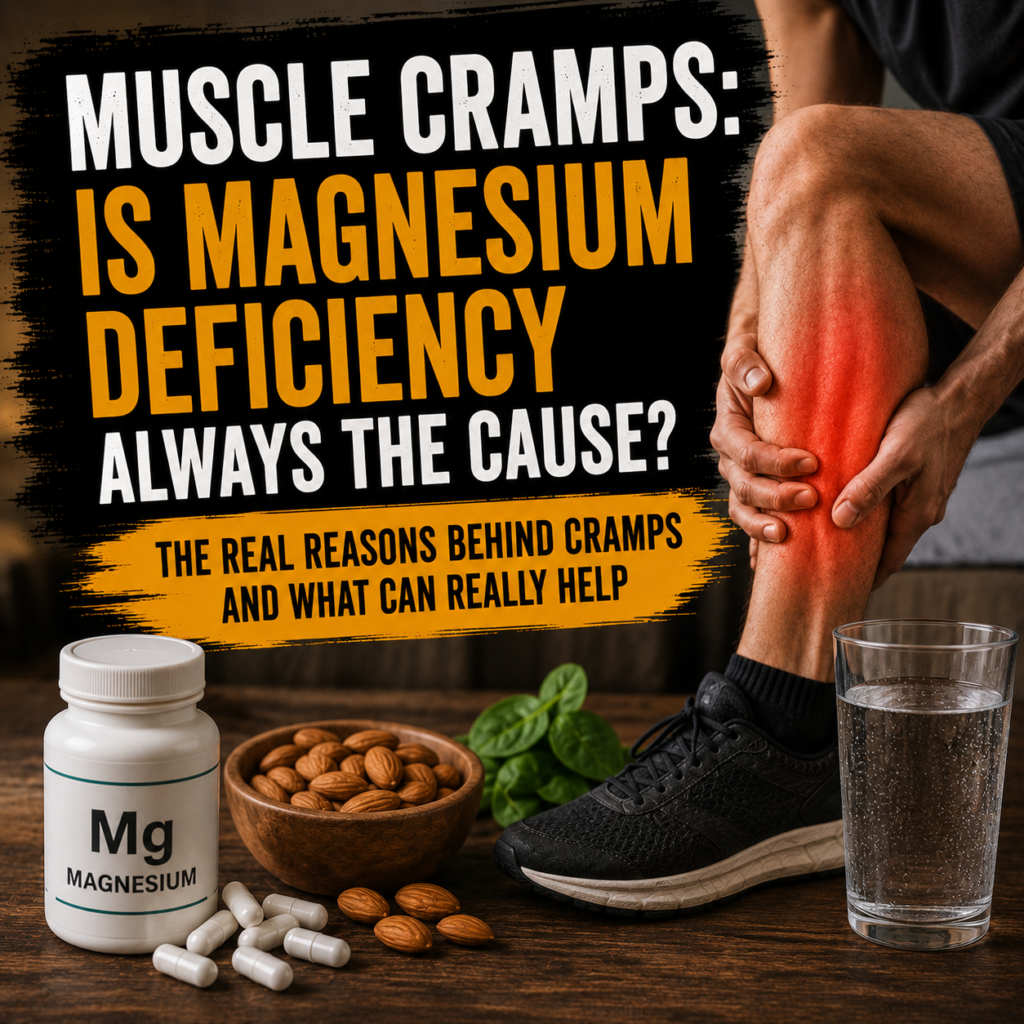
Muscle Cramps: Is Magnesium Deficiency Always the Cause?
A sudden muscle cramp can appear at night, after a workout, during a long walk or even when a person is simply sitting or lying down. The muscle suddenly tightens, becomes hard and painful, and it can be difficult to make it relax immediately. After the episode, soreness or tension may remain for some time. It is therefore understandable that many people immediately think about magnesium, because this mineral really is involved in normal muscle and nerve function. However, connecting every muscle cramp exclusively with magnesium deficiency would be an oversimplification. Muscle spasms can have many different causes, and not all of them are related to nutrition.Magnesium is essential for numerous processes in the body, including nerve signaling, muscle function, energy production and normal metabolism. Severe magnesium deficiency can indeed cause muscle contractions, cramps, weakness and other symptoms. But a person who occasionally experiences a typical nighttime or exercise-related cramp does not automatically have a magnesium deficiency. Muscle cramps can also be influenced by physical exertion, dehydration, electrolyte imbalance, prolonged positioning, age, nervous-system function, circulation, certain medications and various medical conditions. Magnesium can therefore be part of the explanation, but it is far from always the main cause.A muscle cramp is a sudden, involuntary contraction that a person cannot quickly stop voluntarily.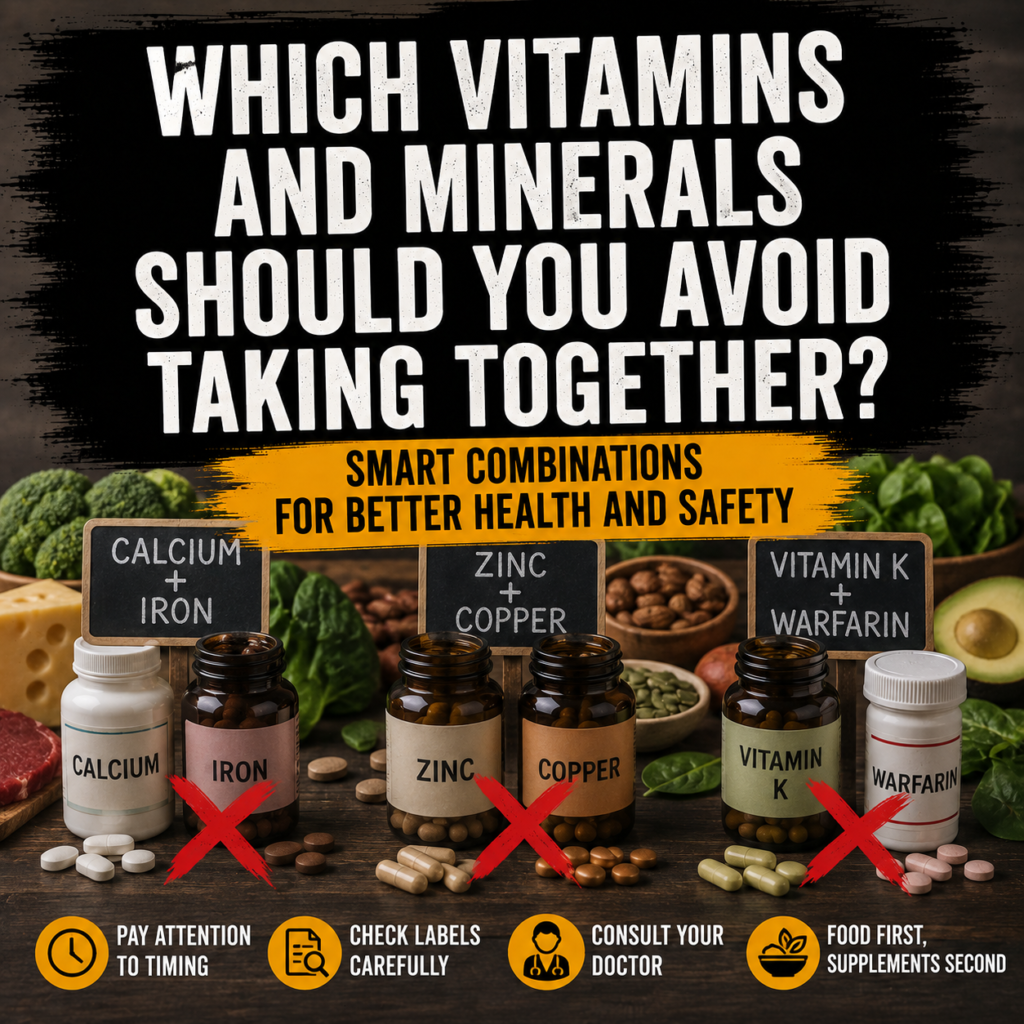
Which Vitamins and Minerals Should You Avoid Taking Together?
When people start taking vitamins, it is easy to fall into the trap of thinking that if every nutrient is beneficial on its own, combining more of them must provide even greater benefits. In reality, the body works in a much more complicated way. Some vitamins and minerals complement each other, while certain nutrients, especially in high doses, can compete for absorption or affect the metabolism of other nutrients. That is why it is important to consider not only the name of a vitamin on the package, but also its dosage, the form of the supplement, the amount of other supplements being taken and the reason the product is being used in the first place.Problems most often arise when a person uses several different supplements at the same time: a multivitamin, magnesium, zinc, iron, calcium, vitamin D, vitamin B6 and additional products for immunity, skin or hair. The same nutrients may appear in several products without the person realizing it, and the total daily intake can become much higher than expected. The right question, therefore, is not simply “Which vitamins cannot be taken together?” but rather “Which combinations require attention, and when is it better to separate them?” This approach helps avoid both unnecessary restrictions and potentially excessive intake of individual nutrients.One of the best-known combinations that deserves attention is calcium and iron.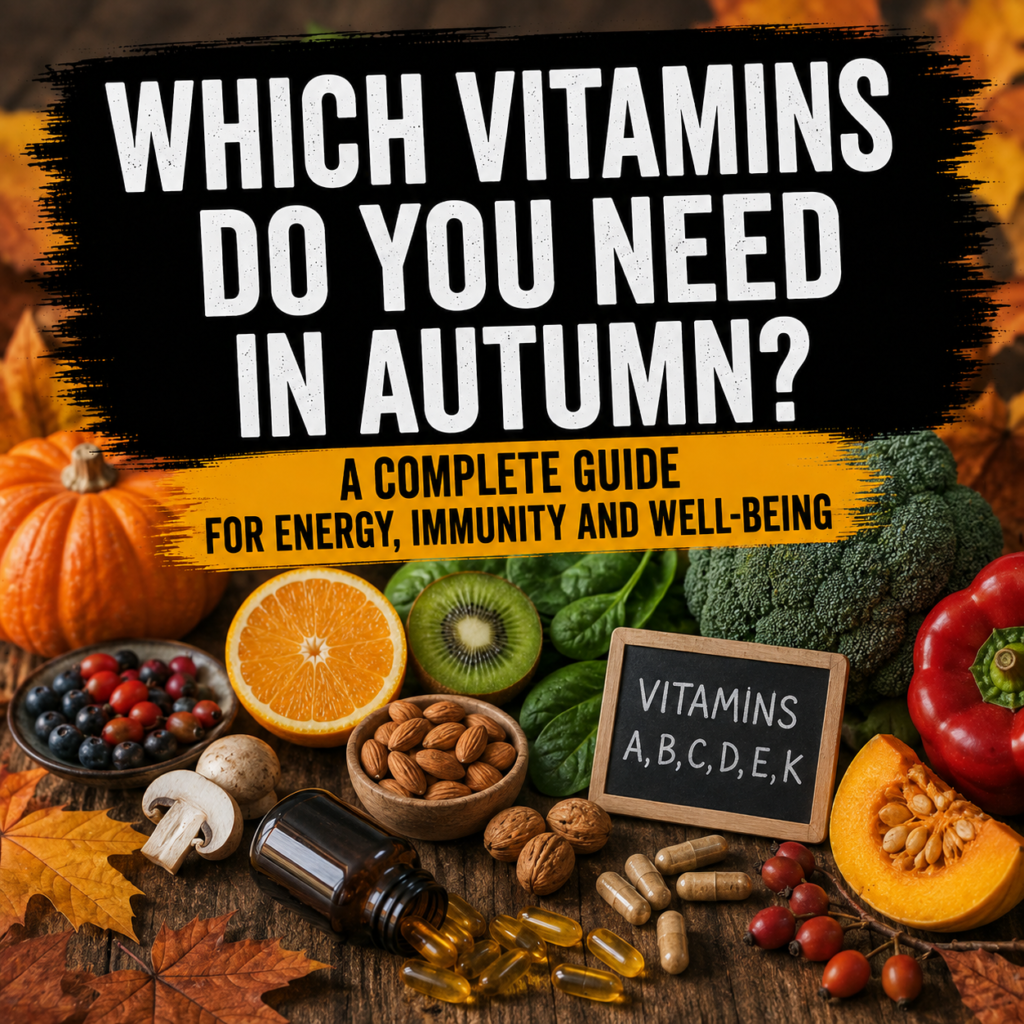
Which Vitamins Do You Need in Autumn? A Complete Guide
When autumn arrives, the body has to adapt to shorter days, less sunlight, cooler temperatures and changes in our daily routine. It is also a season when many people begin to notice fatigue, lower energy, changes in mood, dry skin or a greater tendency to catch seasonal infections. This often leads to the question of whether the body needs additional vitamins and whether taking a multivitamin is necessary. However, the answer is not as simple as taking one supplement and expecting it to solve every problem. Different vitamins perform different functions, and the need for them depends on diet, lifestyle, age, health status and individual risk of deficiency.Autumn does not automatically mean that everyone has a vitamin deficiency, but some nutrients deserve particular attention during this period. Vitamin D is especially important because sunlight exposure becomes limited, while vitamins C, A, E and the B-group vitamins continue to support normal immune, nervous and metabolic functions. Minerals such as iron, magnesium and zinc are also important, although they are not vitamins and should not be treated as interchangeable with them. The most sensible approach is to understand which nutrients the body actually needs, where they can be obtained from food and when supplementation may be appropriate rather than taking large doses without a clear reason.Vitamin D deserves special attention in autumn because sunlight is the main natural source through which the body produces it.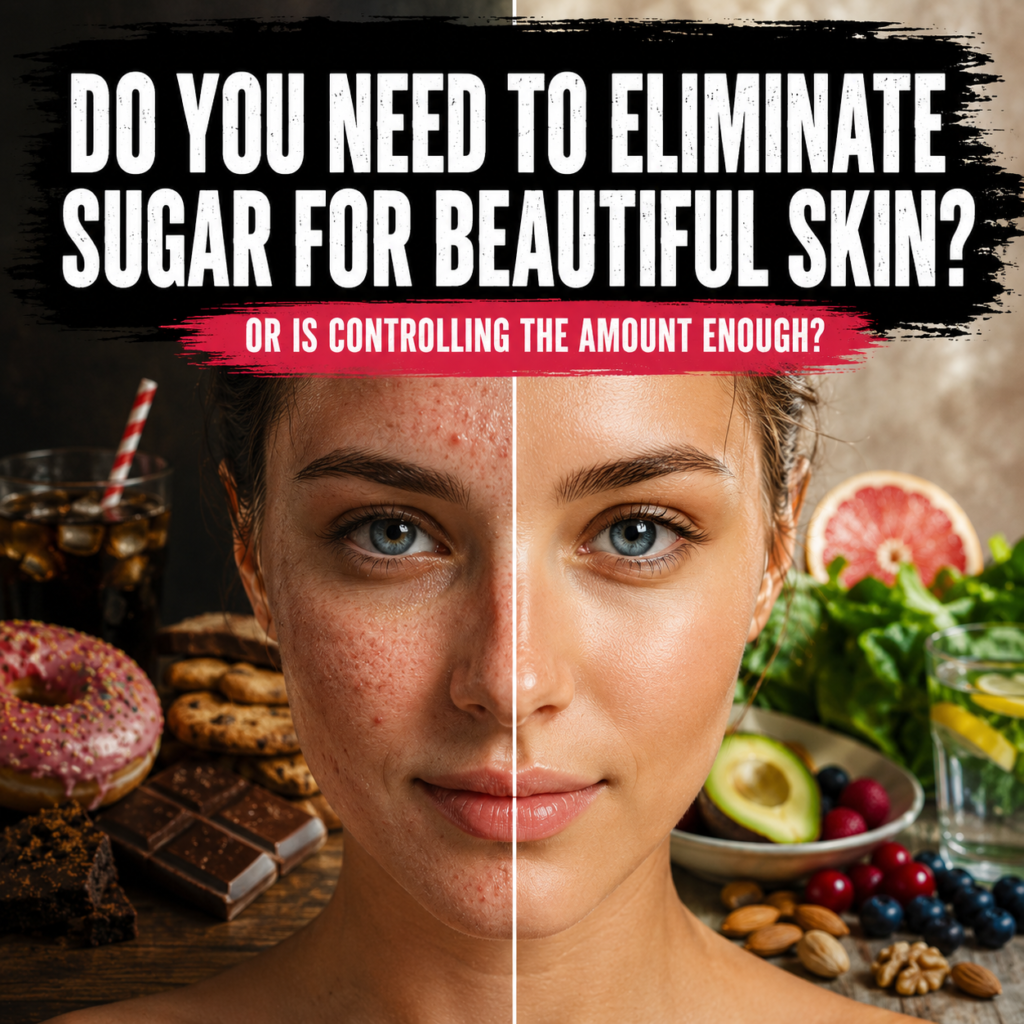
Do you need to eliminate sugar for beautiful skin, or is controlling the amount enough?
Sugar has long been at the centre of discussions about skin health. Some people believe that sweets cause breakouts, accelerate ageing and make the skin look dull, while others believe that chocolate, desserts and sugary drinks have nothing to do with appearance. The truth lies somewhere between these extremes. Most people do not need to completely eliminate sugar for the sake of beautiful skin, but regularly consuming large amounts of added sugar can become an undesirable part of the diet. This may be particularly relevant for people who are prone to acne, inflammation or significant fluctuations in blood glucose levels.At the same time, the skin does not exist separately from the rest of the body. Its condition is influenced by nutrition, hormones, sleep, stress, genetics, skincare, sun exposure and physical activity. It is therefore impossible to make the skin healthy simply by eliminating one food. It is much more useful to look at the diet as a whole and understand the difference between moderate consumption of sweets and a situation in which sugary drinks, pastries, sweets and other foods containing added sugar become a regular part of everyday eating. It is also important to distinguish naturally occurring sugars in whole foods from large amounts of free sugars found in sugary drinks, desserts and other highly sweetened products.The connection between sugar and skin is particularly often discussed in relation to acne.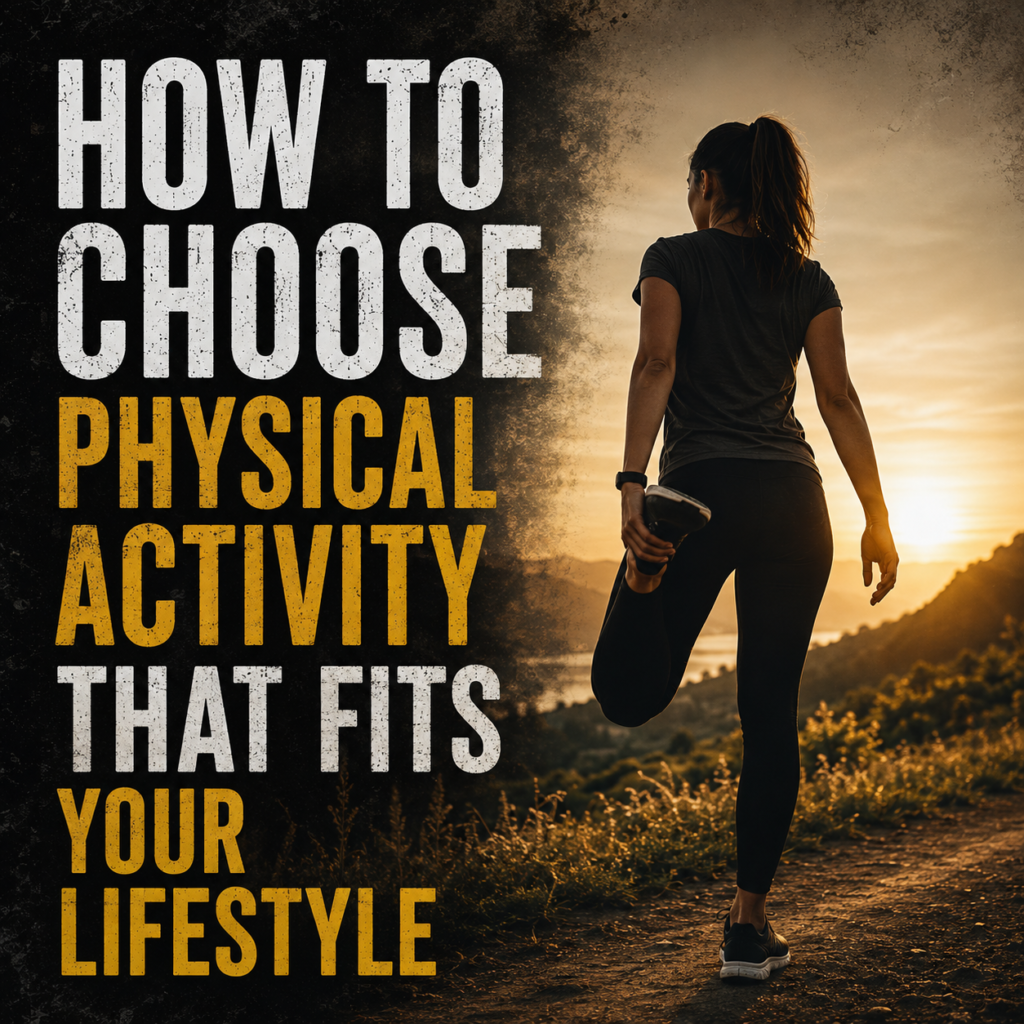
How to choose physical activity that fits your lifestyle
Do you keep promising yourself that you’ll start exercising, only to give up a few weeks later? The problem may not be a lack of willpower. You may simply have chosen an activity that doesn’t fit your lifestyle. Some people enjoy getting up early for a run, while others feel much better going for an evening walk or exercising at home. The right physical activity is not necessarily the trendiest or most intense workout. It is the type of movement you can realistically do on a regular basis without turning exercise into another stressful obligation.The main rule is to choose activity not based on what is considered the “most effective,” but on what you can actually do consistently. If a workout requires two hours every day for travelling, changing and exercising, there is a good chance you will eventually lose motivation. If a 20-minute walk, home workout or bike ride easily fits into your day, it may be much more beneficial in the long run. Consistency matters enormously, so the perfect programme on paper is useless if you constantly skip it.First point — look at your schedule. If you have a demanding workday and very little free time, choose activities that can be done close to home or at home. A short bodyweight workout, brisk walk, taking the stairs or several active breaks during the day are already better than constantly waiting for the “perfect” time for a full workout. If you have more free time, you can add swimming, gym sessions, group classes, running or cycling.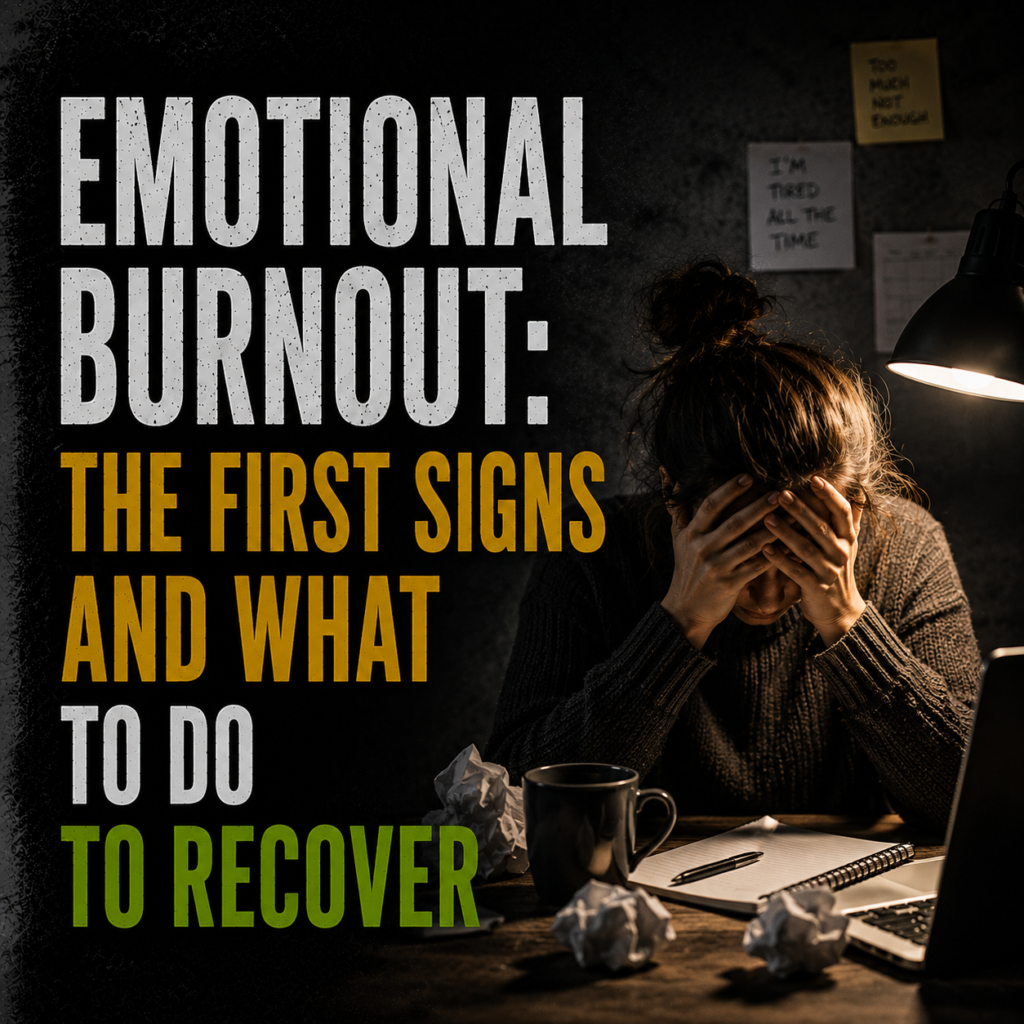
Emotional burnout: the first signs, causes and what to do to recover
Sometimes a person continues to work, take care of everyday responsibilities, communicate with loved ones and even smile around others, while internally feeling as though there is no energy left for anything. Ordinary tasks become irritating, rest no longer feels refreshing, and the desire to do anything gradually disappears. At the same time, a person may keep telling themselves that they are simply tired and need to push through. This is often how emotional burnout begins: not with one dramatic event, but with gradual exhaustion that becomes part of everyday life and can go unnoticed for a long time.The main problem is that burnout can easily be confused with ordinary tiredness. After a stressful day, it is normal to want quiet, sleep and minimal social interaction, and after several calm days, most people begin to feel better. With emotional burnout, recovery works differently: a person rests, but the feeling of emptiness remains. Motivation gradually decreases, concentration becomes more difficult, irritability appears and things that used to be enjoyable no longer feel rewarding. The body can seem to remain in a constant state of pressure even when nothing particularly stressful is happening.Emotional burnout most often develops when stress continues for too long and there are not enough opportunities for proper recovery. This can be related to constant workload, responsibility for other people, lack of control, conflict, financial difficulties or a combination of several factors.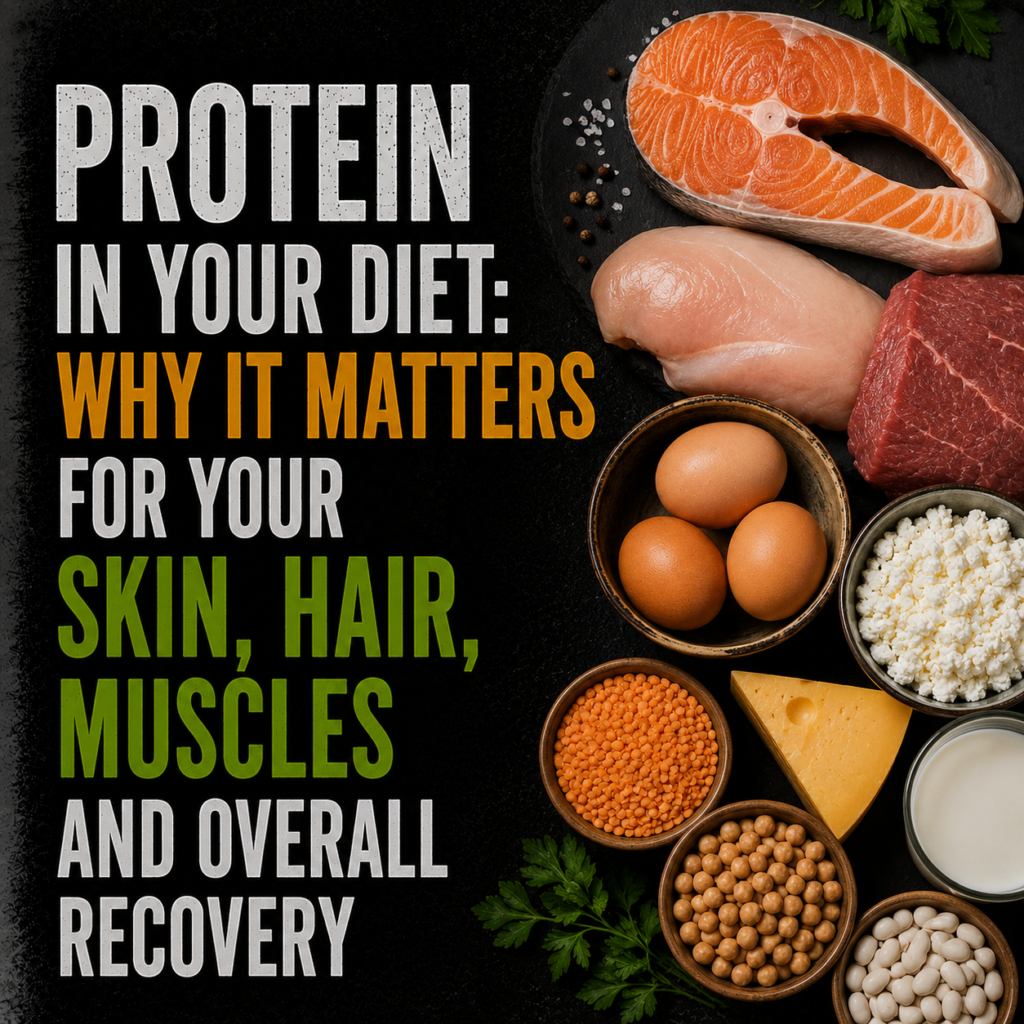
Protein in your diet: why it matters for your skin, hair, muscles and overall recovery
Protein is often associated exclusively with sports and building muscle, but its role in the body is much broader. Protein molecules are essential for virtually every tissue because the body uses amino acids to build and repair numerous structures. Skin, hair, muscles, connective tissue and internal organs are constantly undergoing natural renewal, and this requires a steady supply of amino acids from food. When protein intake is insufficient over a prolonged period, the body begins to conserve resources and prioritise essential functions. As a result, an unbalanced diet can affect not only physical strength but also the condition of the skin and hair.However, protein is not a magic ingredient that will automatically make hair thicker, skin younger or muscles larger. Its main role is to provide the building blocks the body needs for normal functioning and tissue repair. The result also depends on overall nutrition, calorie intake, vitamins and minerals, sleep, physical activity, age and health status. Protein is therefore best viewed as one of the foundations of a balanced diet. When enough is available, the body has the amino acids it needs to maintain tissues, while insufficient intake can make recovery and tissue maintenance less efficient.Proteins are made up of amino acids that the body uses to create its own protein structures. Some amino acids can be produced by the body, while essential amino acids must come from food.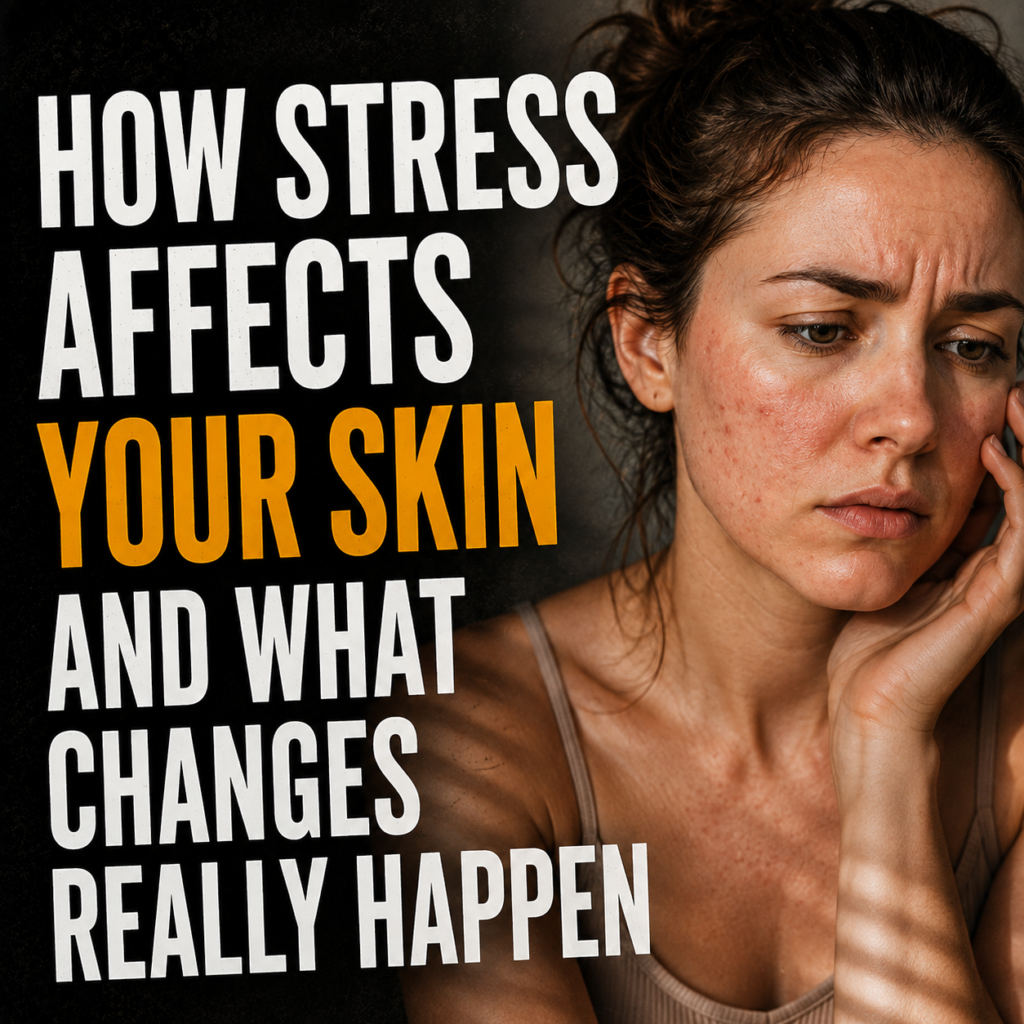
Why Stress Affects the Condition of Your Skin and What Changes Actually Happen
The skin is often one of the first parts of the body to react to emotional stress, although many people continue to view stress purely as a psychological problem. After a difficult or emotionally demanding period, people may notice that their face looks duller, breakouts appear, the skin becomes oilier, dryness increases, or redness and sensitivity become more noticeable. Sometimes it can feel as though a familiar skincare routine has suddenly stopped working, even though nothing has changed in the products being used. This happens because the skin is closely connected to the nervous system and hormonal mechanisms that change their activity during prolonged stress. As a result, stress can influence not only appearance but also the natural processes involved in skin recovery.It is important to understand, however, that stress does not create every skin condition from nothing and is rarely the only cause of a skin problem. It can nevertheless intensify existing skin concerns, slow recovery and affect the protective barrier. For some people, inflammatory breakouts become the main issue, while others experience dryness, redness or itching without an obvious external trigger. The response depends on genetics, age, lifestyle, sleep quality and overall health. This is why managing stress can become part of effective skincare just as much as choosing appropriate cosmetic products.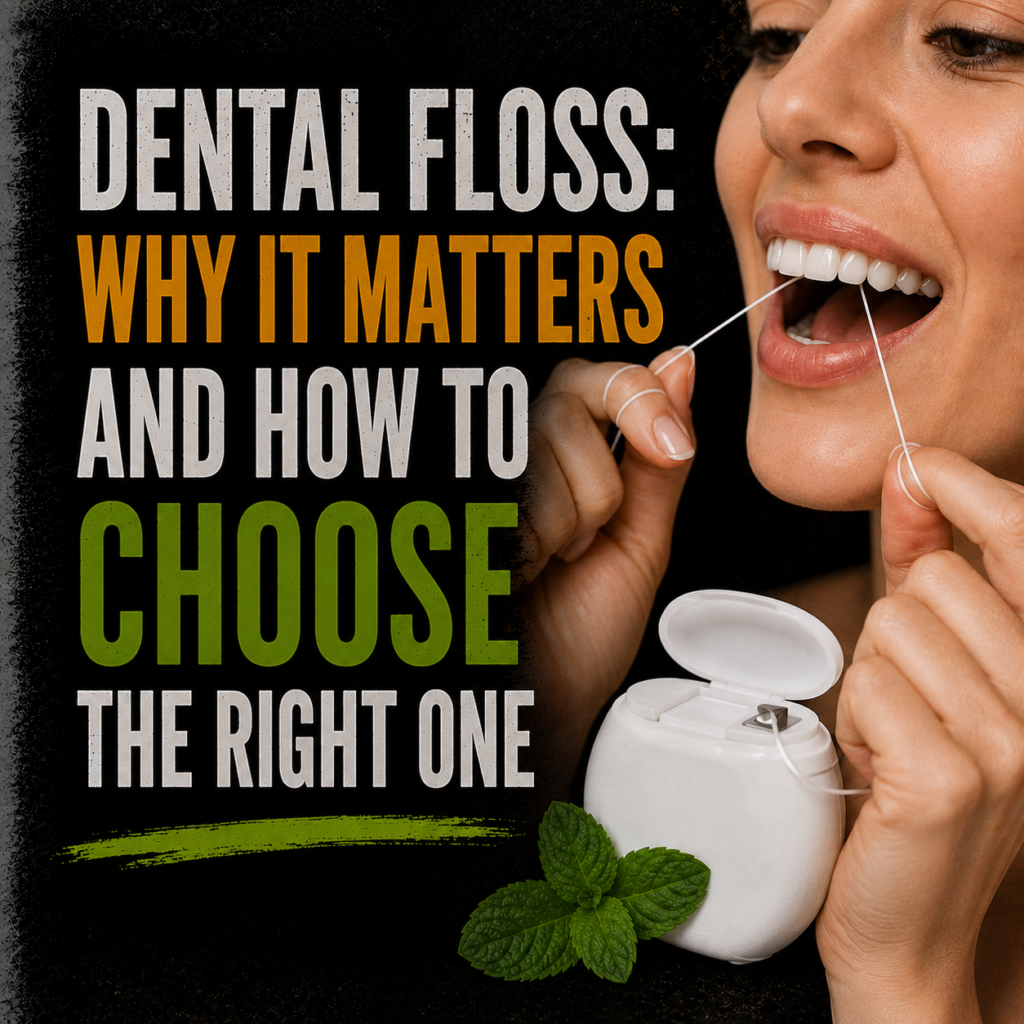
Why Dental Floss Is Essential for Healthy Teeth and How to Choose the Right One
A toothbrush remains the main tool for everyday oral hygiene, but even the best toothbrush cannot completely clean every surface of the teeth. Small spaces between the teeth can trap food particles and gradually accumulate a layer of bacterial plaque. These areas can become a problem because a person may brush twice a day for years and still develop cavities between the teeth or experience gum inflammation. Dental floss helps mechanically remove plaque from areas that toothbrush bristles cannot reach properly. For this reason, flossing is important not only for the feeling of cleanliness but also for maintaining healthy teeth and gums.At the same time, you do not necessarily need to use the first type of floss you find. There are different options, including thin and wider floss, waxed and unwaxed varieties, floss holders, products designed for larger gaps and special floss for braces or dental bridges. The right choice depends on the space between your teeth, the condition of your gums and whether you have crowns, bridges, braces or other dental work. The right floss should pass between the teeth relatively easily while still making close contact with their surfaces. If it constantly breaks, gets stuck or irritates the gums, the problem may be the type of floss or the technique rather than flossing itself.Dental floss is primarily important because plaque does not form only on the visible surfaces of the teeth.