Search results

Cyclosporiasis in the United States: A Major Parasitic Outbreak and the Symptoms You Should Not Ignore
A major investigation into cyclosporiasis, an intestinal infection caused by the microscopic parasite Cyclospora cayetanensis, is continuing in the United States. The infection is typically spread through contaminated food or water and can cause prolonged digestive symptoms, most commonly watery diarrhoea.According to US health authorities, the number of cyclosporiasis cases reported during the 2026 season has been unusually high. Several states have reported significant increases, while public health agencies have continued investigating illness clusters and possible food sources.The current situation has drawn particular attention to food safety. Previous outbreaks of cyclosporiasis in the United States have been linked to fresh produce, and health authorities continue to investigate suspected sources when multiple cases appear to be connected.Cyclosporiasis affects the small intestine. Unlike some other gastrointestinal infections, Cyclospora is unlikely to spread directly from person to person because the parasite requires time in the environment before it becomes infectious. People are generally infected by consuming contaminated food or water.The main and most common symptom is watery diarrhoea. It can occur frequently and may be severe in some cases. Symptoms usually begin around one week after exposure, although the incubation period can vary.
A personalised mRNA vaccine against melanoma has shown promising results in a large clinical trial, opening a new chapter in the development of individualised cancer treatment.
The treatment is called intismeran autogene, also known as V940 or mRNA-4157. It is being developed by Moderna and Merck. Unlike traditional vaccines designed to prevent infectious diseases, this therapy is individually created for each patient and is intended to help the immune system recognise the unique characteristics of their tumour.The technology is based on analysing the genetic characteristics of a patient's removed tumour. Specialists identify specific mutations and so-called neoantigens — features that may distinguish cancer cells from healthy cells. Based on this information, a personalised mRNA therapy is created to help train the immune system to recognise tumour cells more precisely.The latest Phase III results from the INTerpath-001 trial were announced on 19 August 2026. The study involved 1,137 patients with high-risk melanoma following surgical removal of their tumours. All participants received Keytruda immunotherapy, while some patients also received the personalised mRNA treatment. According to preliminary results, the combination met the main goals of the study by reducing the risk of cancer recurrence and disease spread compared with Keytruda alone.This is particularly significant because melanoma is considered one of the most aggressive forms of skin cancer.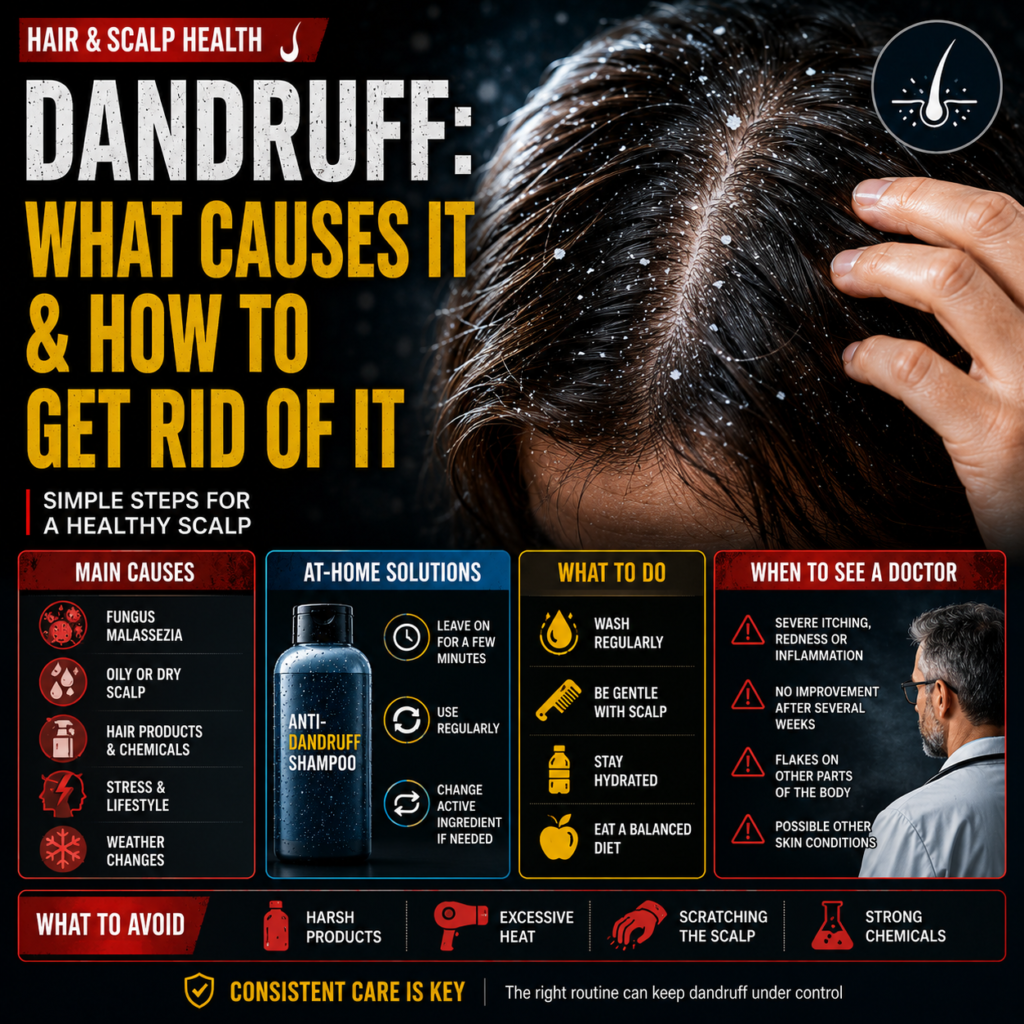
Dandruff: Why It Appears, How to Get Rid of It at Home and What to Do When You Have It
Dandruff is one of the most common scalp concerns. White or yellowish flakes can appear in the hair and on clothing, sometimes accompanied by itching and irritation. Despite a common misconception, dandruff does not necessarily mean that a person has poor hair hygiene.There can be several reasons why dandruff develops. These include an oily or irritated scalp, dry skin, sensitivity to hair-care products and the activity of the yeast-like fungus Malassezia, which naturally lives on the skin of most adults. Flaking can also be associated with seborrhoeic dermatitis, eczema, psoriasis or other skin conditions.In some people, the problem becomes more noticeable during cold and dry weather, and stress may also make symptoms worse.The first thing you can do at home when dandruff appears is to review your scalp-care routine. In mild cases, regular but gentle shampooing may help remove excess oil and dead skin cells.If an ordinary shampoo is not enough, an anti-dandruff shampoo may be worth trying. Depending on the product, active ingredients can include ketoconazole, selenium sulfide, zinc pyrithione, salicylic acid or coal tar. Different ingredients work in different ways, so a product that works well for one person may not be equally effective for another.When using a medicated shampoo, it is important to read and follow the instructions carefully.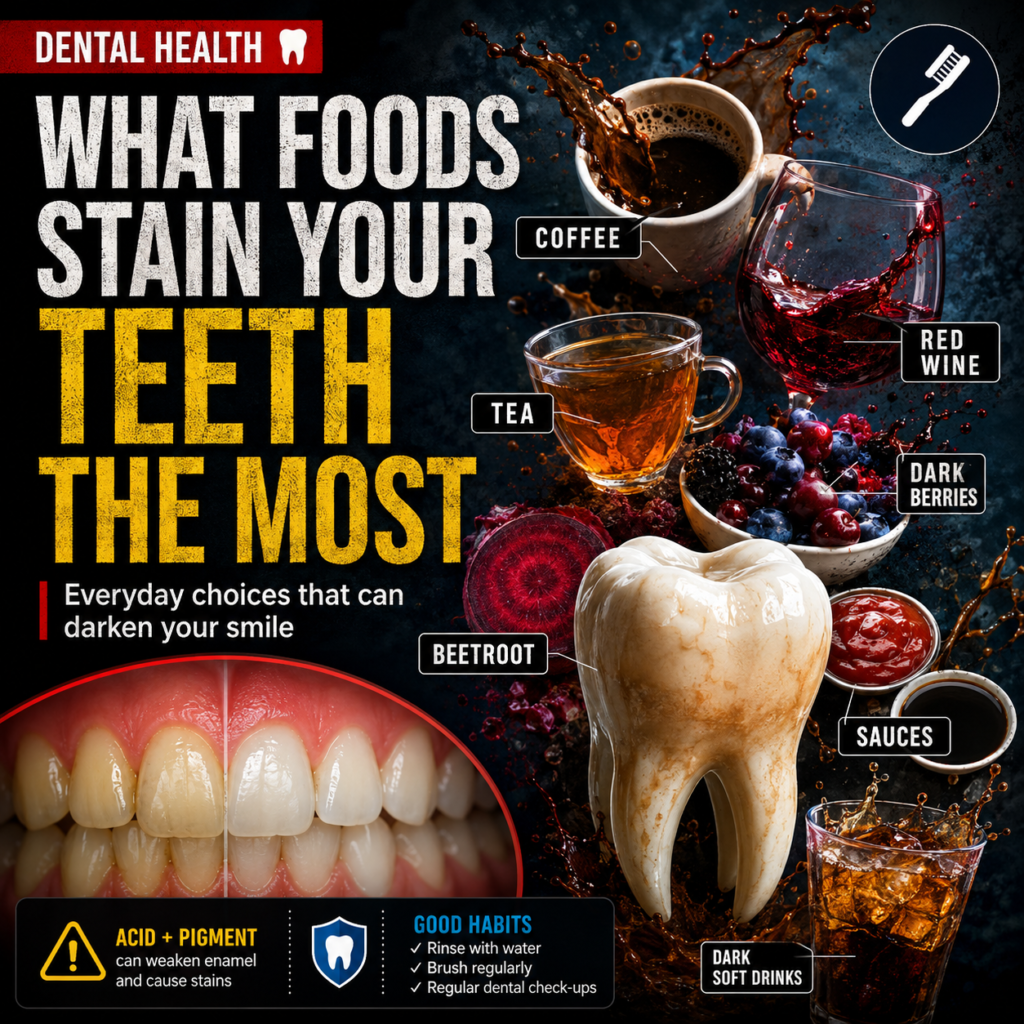
Products That Can Stain Tooth Enamel the Most
A bright, natural smile depends not only on dental care but also on everyday habits. Some foods and drinks contain strong pigments that can gradually leave surface stains on tooth enamel. At the same time, tooth discolouration is not caused by food alone. Age, smoking, enamel condition, oral hygiene, certain medications and other factors can also affect the colour of teeth.Among the best-known products associated with tooth staining, coffee is often at the top of the list. Its dark compounds can contribute to yellowish or brownish surface stains, especially when coffee is consumed frequently throughout the day, exposing the teeth to pigments over a longer period.Tea can also affect the colour of teeth. Black tea contains compounds that may contribute to the attachment of pigments to the tooth surface. For this reason, the idea that coffee always stains teeth more than tea is not necessarily accurate. Both drinks can contribute to surface discolouration.Red wine is another drink with a high staining potential. It combines intense pigments with acidity, which may contribute to darker stains on the surface of the teeth. Red wine is regularly mentioned alongside coffee and tea as a common cause of external tooth staining.Berry lovers should also remember their intense natural colours. Blueberries, blackberries, cherries and other dark-coloured berries contain strong pigments that can temporarily stain the surface of teeth and, with frequent consumption, may contribute to more noticeable surface discolouration.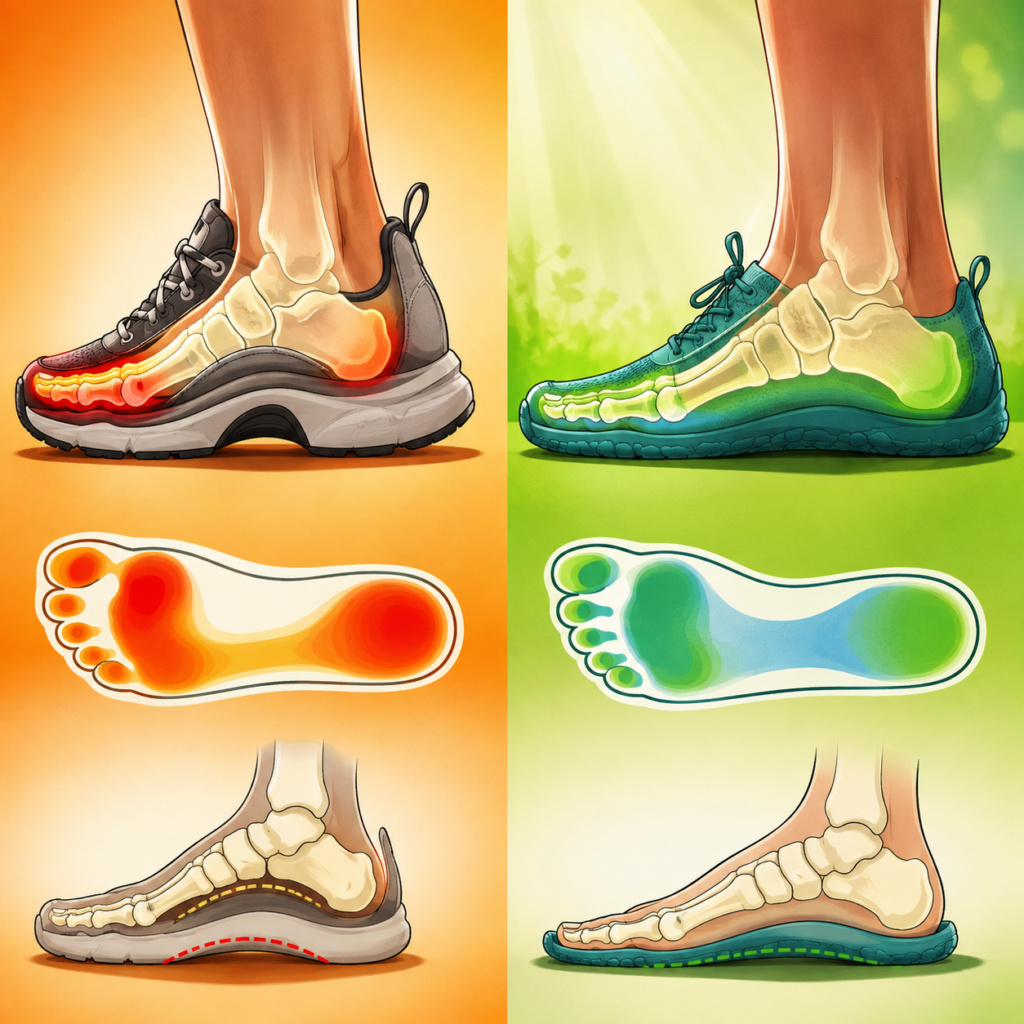
Barefoot Shoes: Why They Are Becoming More Popular and Which Brands Are Popular in Europe
Barefoot shoes were considered a relatively niche category only a few years ago, mainly associated with running, training and supporters of natural movement. Today, the situation is gradually changing. More people across Europe are choosing minimalist footwear for everyday life, walking, work, travel and sport.The main idea behind barefoot shoes is not to remove protection from the foot completely. Instead, this type of footwear is designed to protect the feet from the outside environment while placing fewer restrictions on natural movement.A typical barefoot shoe has several key features: a wide toe box that allows the toes to spread more naturally, a thin and flexible sole, low weight and a zero-drop design, meaning that the heel and forefoot are positioned at approximately the same level.It is this combination of features that is helping to drive the growing popularity of barefoot footwear. Many modern models no longer look like specialised sports equipment. The European market now offers barefoot trainers, boots, loafers, ballet flats, sandals and even more classic styles suitable for everyday wardrobes.The wide toe box is one of the most noticeable features. In traditional footwear, the front of the shoe can sometimes be narrower than the natural shape of the foot. Barefoot shoes generally provide more space for the toes to move and spread.Another important feature is the flexible sole.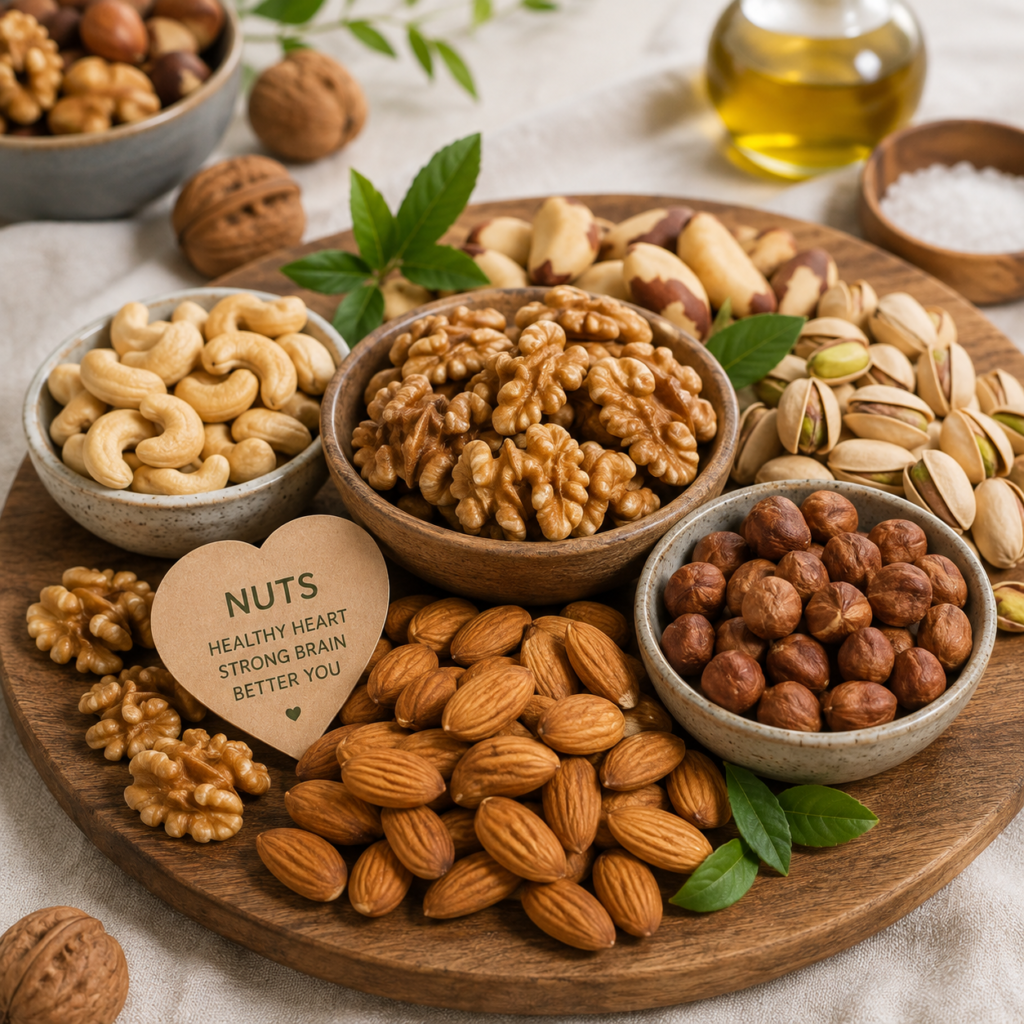
Nuts and Health: Their Benefits and Which Nut May Be the Healthiest
Nuts are often seen simply as a high-calorie snack, but their nutritional value goes far beyond that. They contain unsaturated fats, plant-based protein, fibre, vitamins, minerals and a variety of bioactive compounds.Regular nut consumption has been associated with more favourable indicators of cardiovascular health. Research suggests that eating nuts may be linked to a lower risk of cardiovascular disease, although overall diet and lifestyle also play an important role. Nuts fit particularly well into dietary patterns rich in vegetables, fruit, whole grains, fish and other plant-based foods.One of the main benefits of nuts is their fat composition. Most of the fats they contain are unsaturated, making them a more favourable choice compared with foods high in saturated fats. Nuts also provide fibre and protein, which can help promote a feeling of fullness and make them a healthier alternative to less nutritious snacks.At the same time, nuts are relatively high in calories. Their health benefits do not mean that eating more is always better. A small portion, such as a handful, can be a useful addition to the diet, especially when it replaces crisps, sweets or other foods with lower nutritional value.Different types of nuts have different nutritional strengths. Almonds, for example, are a good source of vitamin E, fibre, magnesium and mainly monounsaturated fats. They can be an easy option for a daily snack or an addition to yoghurt, salads and other meals.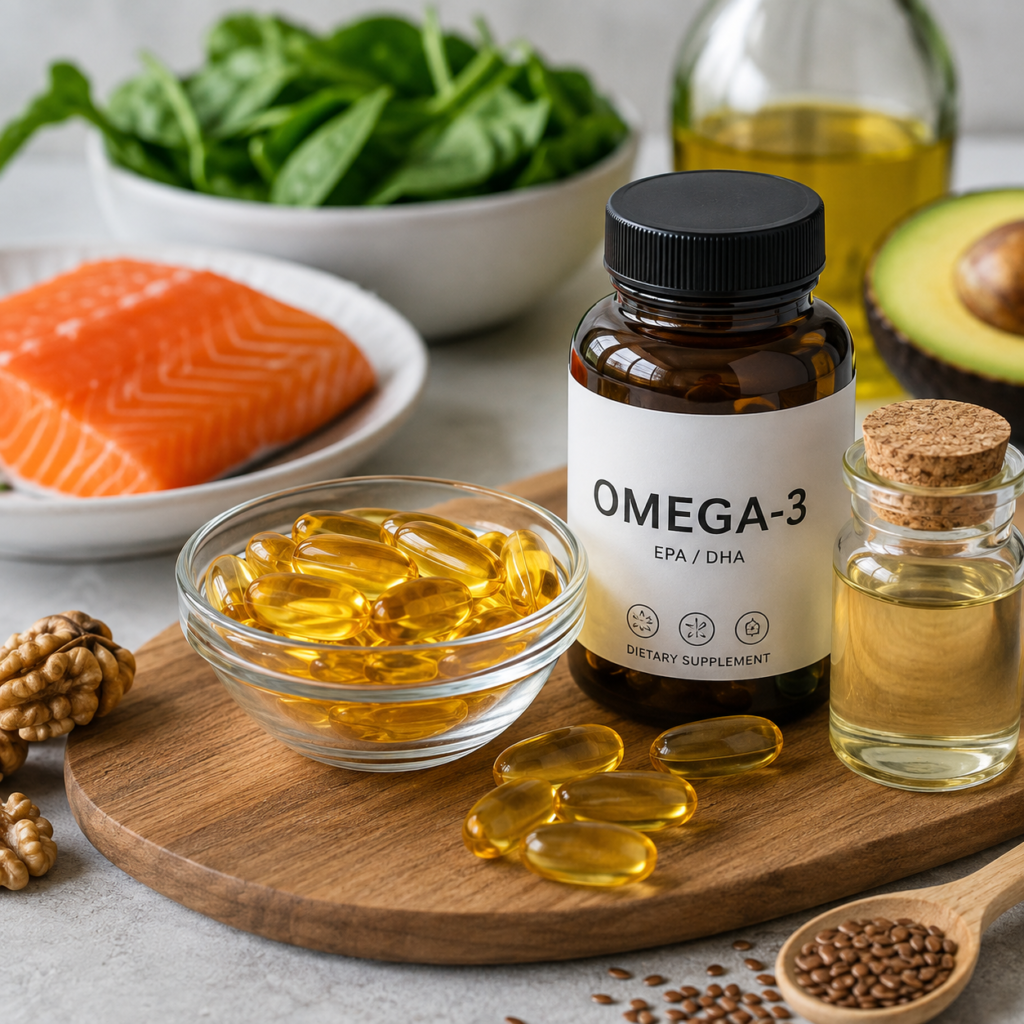
Omega-3: Benefits, Possible Risks and How to Choose the Right Supplement in Europe
Omega-3 fatty acids have long been one of the most popular categories of dietary supplements in Europe. They are commonly taken to support heart health, brain function, vision and overall wellbeing. However, behind the simple “Omega-3” label, there can be very different products, with varying levels of EPA and DHA, different sources and different concentrations of active fatty acids.For this reason, when choosing an omega-3 supplement, it is important not to focus only on a large number such as “1000 mg fish oil” on the front of the package. What matters more is the actual amount of EPA and DHA provided in each serving.Omega-3 is a group of polyunsaturated fatty acids. The most important types include alpha-linolenic acid, or ALA, as well as the long-chain fatty acids EPA and DHA.ALA is found mainly in plant-based foods such as flaxseeds, chia seeds and walnuts. EPA and DHA are naturally present primarily in oily fish and seafood. They can also be produced from algae, making algae-based omega-3 supplements an alternative for vegans and people who do not eat fish.EPA and DHA are usually the main reason why people choose omega-3 supplements. In Europe, authorised health claims link EPA and DHA with the normal function of the heart when a daily intake of 250 mg of EPA and DHA is achieved. DHA also has authorised health claims related to the maintenance of normal brain function and vision when 250 mg of DHA is consumed daily.
Beauty Innovations Arriving in Europe: What to Try and Where to Find Them
The European beauty market continues to evolve rapidly. New cosmetic products appear almost every week, while international brands are expanding their presence across different European countries. Today, consumer interest is focused not only on traditional skincare but also on K-beauty, skin barrier support, multifunctional makeup, lightweight textures and beauty products designed for travel.One of the major beauty trends of 2026 continues to be Korean cosmetics. Many products that previously had to be ordered directly from Asia are now becoming available through European retailers and major beauty chains.One of the notable recent developments on the European market is the expansion of the Korean dermatological skincare brand AESTURA. The brand has been increasing its presence through Sephora Europe, making its products more accessible to consumers across several European countries. AESTURA focuses on skin barrier care and formulations designed for dry and sensitive skin.Sephora Europe also continues to introduce new products across skincare and makeup categories. Recent launches include products from brands such as Beauty of Joseon, Biodance, LANEIGE, Erborian and Sephora Collection.The development of the sun protection category is particularly noticeable. Modern SPF products increasingly combine UV protection with hydrating and skincare ingredients.
How Much Water Should You Drink Every Day, and Do Other Drinks Count?
The advice to drink exactly two litres of water per day is familiar to almost everyone. However, there is no single universal amount that is suitable for every person. The amount of fluid the body needs depends on age, sex, physical activity, temperature, diet and overall health.The question becomes even more interesting when we consider that the body receives water not only from a bottle or a glass. Tea, coffee, milk, soups, fruit and vegetables all contribute to overall fluid intake.According to the European Food Safety Authority, the adequate total water intake for adults is around 2 litres per day for women and 2.5 litres per day for men. This refers to the total amount of water obtained from both drinks and food, not just plain drinking water.This means that a person does not necessarily need to drink exactly two or two and a half litres of plain water every day. Part of the body's fluid requirements is covered through food. Fruit and vegetables with a high water content can make a significant contribution to daily hydration.Watermelon, strawberries, melon, cucumbers, tomatoes, lettuce and many other foods contain large amounts of water. This means that a person's diet can influence how much additional fluid they need to drink.Plain water remains one of the best options for maintaining normal hydration. It contains no sugar or calories and is suitable for most people.