
Search results

Why Korean Cosmetics Have Become So Popular in Europe
Korean cosmetics have become one of the most noticeable trends in the European beauty market. What was once a niche category available mainly through specialised online stores can now be found in major beauty retailers, pharmacies and shops across Europe.The growing popularity of Korean beauty, or K-beauty, can be explained by several factors: innovative formulas, a wide variety of products, accessible prices and a different approach to skincare.One of the main characteristics of Korean skincare is that it focuses not only on treating existing skin concerns but also on prevention and long-term care. Great attention is given to hydration, skin barrier protection and maintaining healthy-looking skin.For many European consumers, this approach has become particularly attractive. Instead of relying on one universal cream, more people are choosing personalised skincare routines that may include cleansing, toner or essence, serum, moisturiser and sunscreen.One of the major advantages of Korean cosmetics is the active use of modern ingredients and technologies. Korean brands are often quick to introduce new ingredients and product formats that later become popular in international markets.Among the most common ingredients are niacinamide, hyaluronic acid, ceramides, peptides, Centella asiatica, ginseng, rice extracts and snail mucin.Many Korean skincare products are also known for their lightweight and comfortable textures.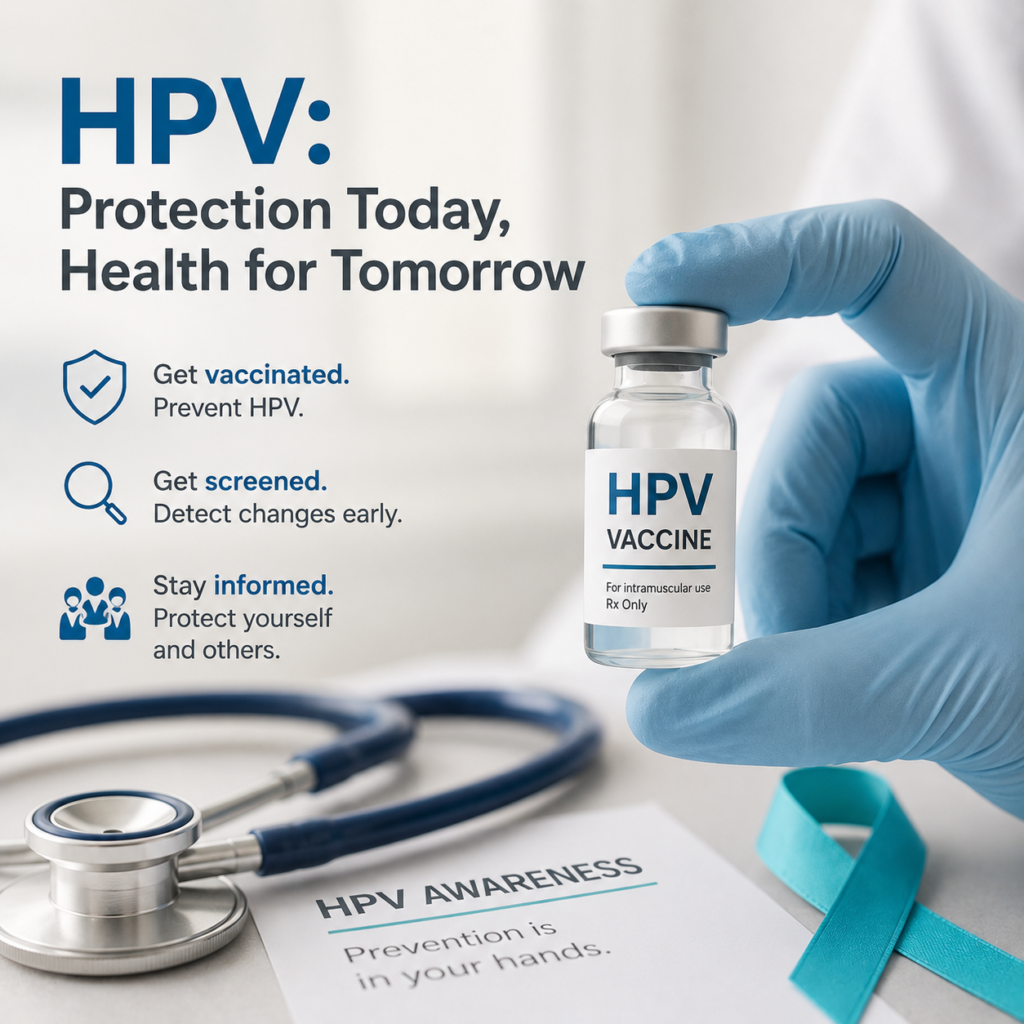
Human Papillomavirus (HPV): Why It Can Be Dangerous and How to Protect Yourself
Human papillomavirus, or HPV, is one of the most common sexually transmitted infections. According to the World Health Organization, most sexually active people will encounter HPV at some point in their lives. In many cases, the infection causes no symptoms and is naturally suppressed by the immune system.However, HPV should not be considered completely harmless. Certain types of the virus can remain in the body for years and cause cellular changes that, if left undetected and untreated, may eventually contribute to the development of cancer.There are many different types of human papillomavirus. Some primarily cause warts and genital warts, while others are classified as high-risk or oncogenic types.HPV is particularly well known for its connection with cervical cancer. According to the WHO, virtually all cases of cervical cancer are associated with infection by high-risk HPV types. The virus can also contribute to other cancers, including cancers of the anus, penis, vagina, vulva and certain cancers of the head and neck.However, a positive HPV test does not mean that a person has cancer. In most cases, the immune system suppresses the infection. The main concern arises when a high-risk HPV infection persists for a long period and causes abnormal cellular changes.HPV is mainly transmitted through intimate contact and direct skin-to-skin or mucosal contact. The absence of visible symptoms in a partner does not mean that the virus is not present.