Search results
Botox: Why It Is Considered Dangerous and What Its Real Benefits Are
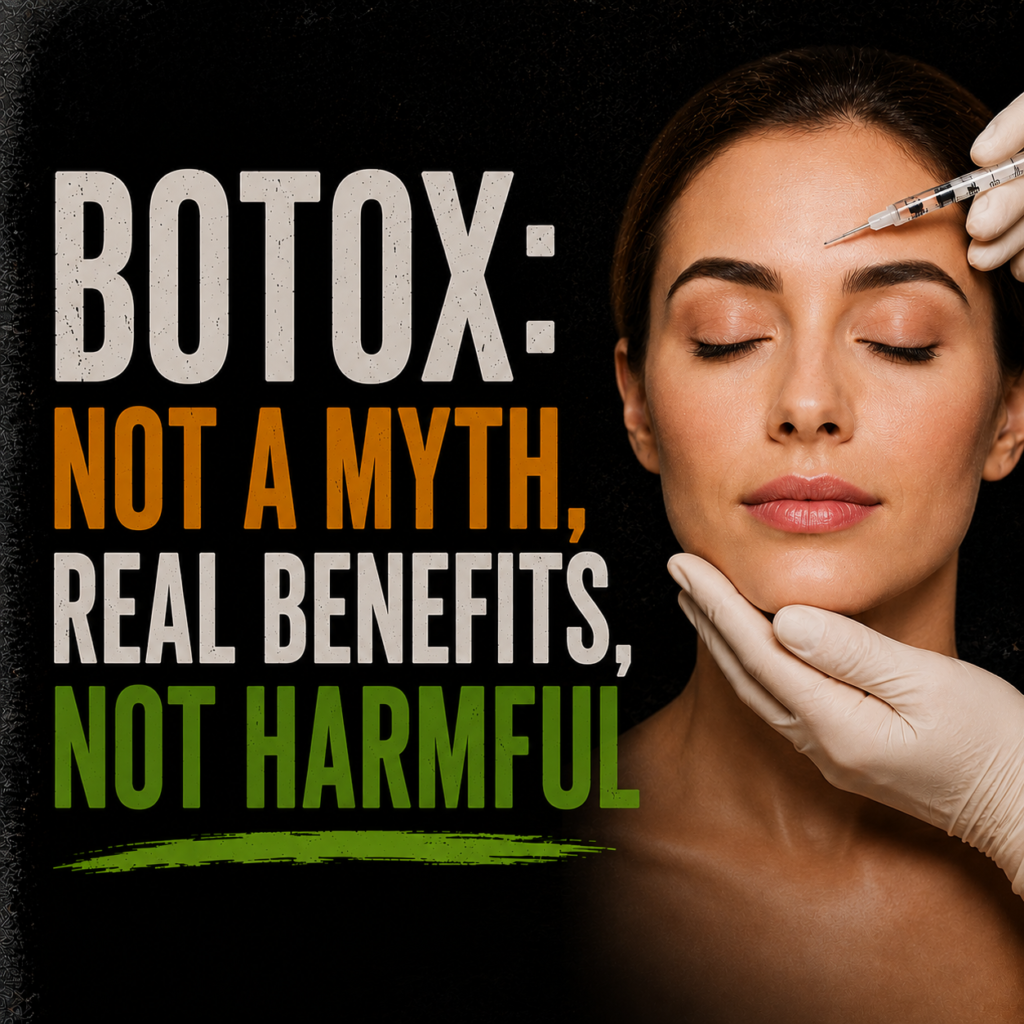
Many people think of botulinum toxin exclusively as a “poison” injected under the skin to temporarily eliminate wrinkles. This sounds frightening, but it does not reflect how the substance is used in modern medicine and aesthetic practice. Botulinum toxin is administered in carefully calculated doses and can temporarily block nerve signals to muscles. This reduces muscle activity, smooths dynamic wrinkles and, in medical settings, can be used to treat muscle spasms, chronic migraine, excessive sweating and certain other conditions. Therefore, the claim that Botox is inherently harmful is far too simplistic.At the same time, claiming that Botox is completely risk-free would also be inaccurate. Botulinum toxin is a medical drug rather than an ordinary cosmetic product, and the outcome depends on dosage, injection technique, individual anatomy and the qualifications of the practitioner. Modern clinical practice shows that the treatment is generally well tolerated when used correctly, and its cosmetic effects are relatively predictable. However, side effects are possible. It is therefore more accurate to describe Botox not as “completely harmless”, but as a well-studied treatment with a specific mechanism of action and a generally favourable safety profile when properly administered.The main advantage of botulinum toxin in aesthetic medicine is its ability to temporarily reduce the activity of specific facial muscles.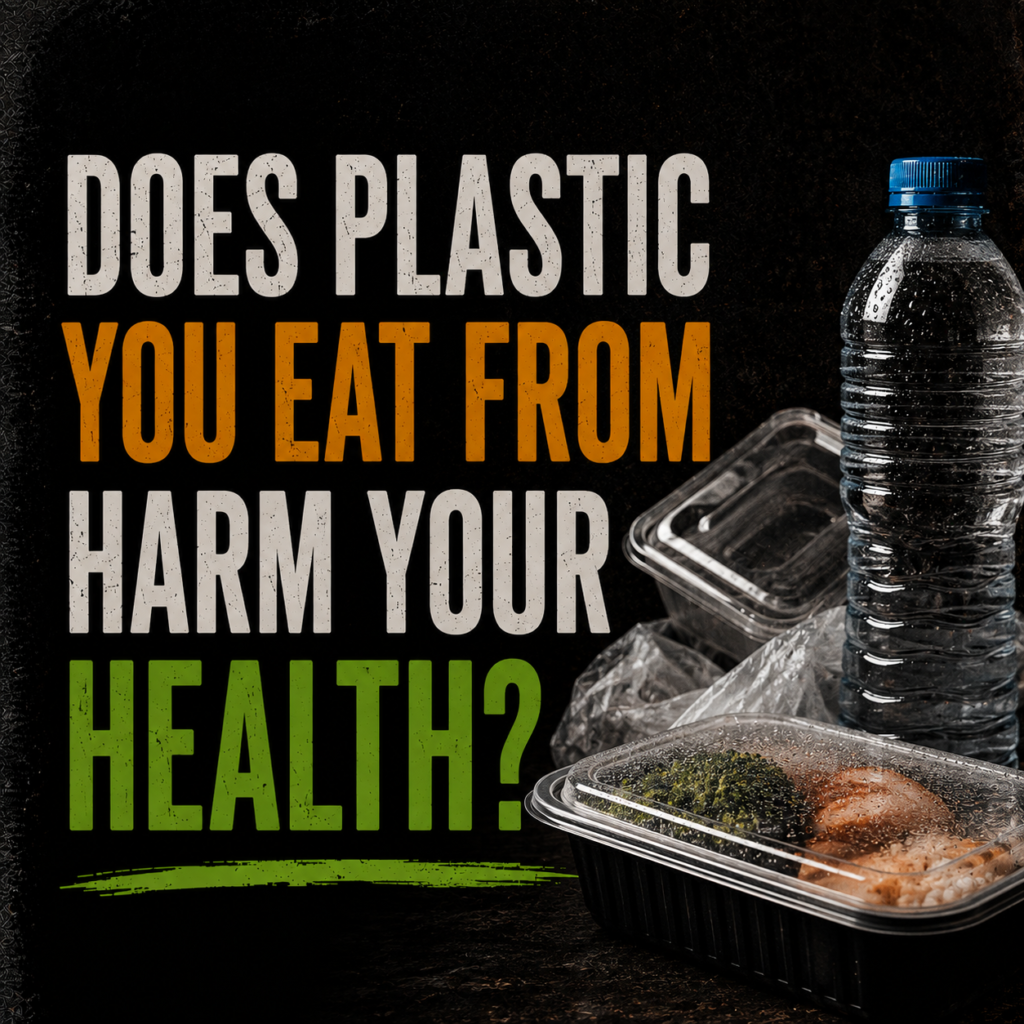
Plastic and Food: Can Food Containers and Packaging Really Harm Your Health?
Plastic containers, bottles, packaging and kitchen utensils have become a normal part of everyday life. People use them to store prepared food, reheat meals, freeze products and carry drinks with them. At the same time, alarming claims about toxic substances, bisphenols and microplastics regularly raise concerns about food-grade plastics. Some people believe that any contact between food and plastic is potentially dangerous, while others assume that modern plastic packaging is completely harmless. The reality lies somewhere between these extremes. Plastic designed for food contact does not automatically represent a health risk, but materials can interact with food, and certain chemical substances may migrate from packaging into what we eat.What matters is not only the type of plastic but also how it is used. Temperature, contact time, the fat and acidity of the food, the condition of the container and the intended purpose of the product can all affect how much of certain substances may potentially migrate into food. A plastic container designed for storing cold food, for example, may not be suitable for hot meals or microwave use. Safe use of food-grade plastic primarily means following its intended purpose rather than eliminating the material completely. The conditions of contact play a major role in determining how justified concerns about a particular product actually are.It is important to understand that the word “plastic” covers a very large group of different materials.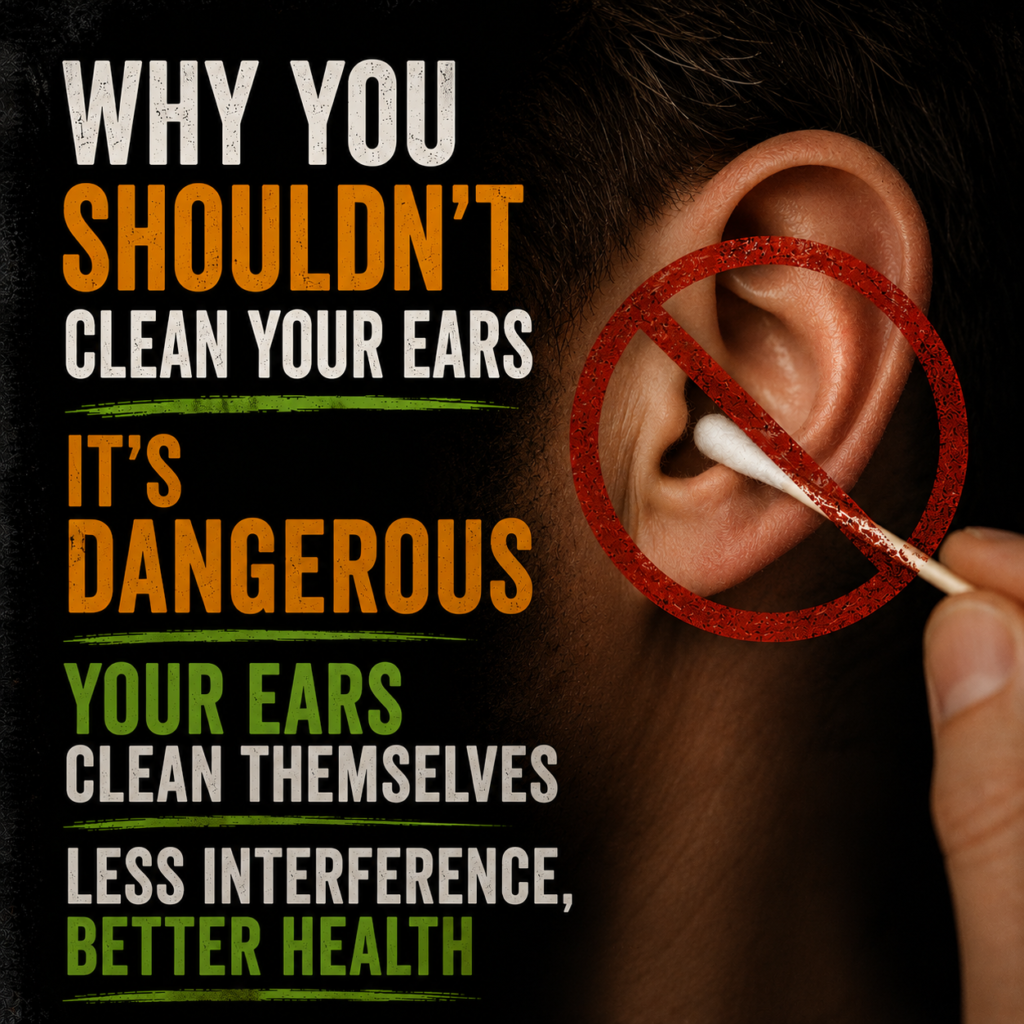
Why You Shouldn’t Clean Your Ears Yourself and How the Ears Naturally Clean Themselves
Ears do not require regular deep cleaning with cotton swabs, fingers or other objects, even though this habit may seem completely natural. Earwax, which many people perceive as dirt, actually serves an important protective function. It helps trap dust and small particles, prevents the skin inside the ear canal from becoming excessively dry and creates an environment that is less favourable for certain microorganisms. More importantly, the outer ear canal has its own natural self-cleaning mechanism. The skin gradually moves from deeper inside the ear toward the opening, carrying excess wax and small particles with it. In most cases, there is therefore no need to try to reach deep into the ear canal and remove everything manually.The problem begins when the desire to keep the ears perfectly clean leads to excessive intervention. A cotton swab may not remove earwax at all, but instead push it deeper into the ear, where it can gradually become compacted and form a blockage. Mechanical cleaning can also damage the delicate skin of the ear canal, causing irritation, inflammation and, in some cases, injury to the eardrum. Using sharp objects, hairpins, matches or other improvised tools is particularly dangerous. The ear is designed so that its natural protective mechanisms usually work more effectively than attempts to constantly clean the inside of the ear.Earwax, or cerumen, is a normal product of specialised glands located in the outer ear canal.
Coca-Cola Without the Myths: Can You Drink It and Does It Have Any Benefits?
Coca-Cola has long been part of everyday food culture, but opinions about it tend to fall into two extremes. Some people consider any sugary soft drink almost completely forbidden, while others see it as a harmless way to get quick energy and improve their mood. In reality, both positions oversimplify the situation. Regular Coca-Cola is not a significant source of vitamins, minerals or other essential nutrients, so it would be inaccurate to describe it as a genuinely healthy food. However, this does not mean that people must completely eliminate it from their diet. For most healthy adults, a small amount of the drink can occasionally be included in a balanced diet.The main question is not whether Coca-Cola can be consumed at all, but how much and how often. Regular Coca-Cola contains added sugar, so frequent consumption of large portions increases the intake of free sugars and calories. Excessive consumption of free sugars is associated with a higher risk of unhealthy weight gain and dental problems. Therefore, having a small portion occasionally and drinking large bottles every day represent very different dietary habits.One of the main advantages of Coca-Cola, if we are talking about its practical properties rather than medical benefits, is the rapid availability of carbohydrates. Sugar is quickly absorbed and can temporarily increase the availability of energy.
Chocolate Can Be Part of a Healthy Diet: Its Benefits and How to Eat It Wisely
Chocolate has long been viewed simply as a sweet treat that should be limited or completely avoided as part of a healthy diet. However, modern nutritional thinking is much less restrictive. Cocoa, the main ingredient in chocolate, contains flavanols and other plant compounds with antioxidant properties. As a result, chocolate with a high cocoa content can be more than just a dessert and, when consumed in moderation, may contribute certain nutritional benefits. The important distinction lies in the ingredients: dark chocolate and a highly sweetened milk-chocolate bar with a filling are very different products from a nutritional perspective.At the same time, the potential benefits of chocolate do not mean that it should be eaten without limits. Even high-quality dark chocolate is relatively calorie-dense and can contain significant amounts of saturated fat and sugar. Its potential advantages come primarily from cocoa rather than from sweetness. A sensible approach is therefore neither to completely eliminate chocolate nor to make it a major part of the diet, but to enjoy moderate portions of chocolate with a high cocoa content. This allows people to enjoy the food while still paying attention to the overall nutritional balance of their daily diet.One of the most interesting components of cocoa is flavanols, plant compounds that have been studied for their potential effects on cardiovascular health.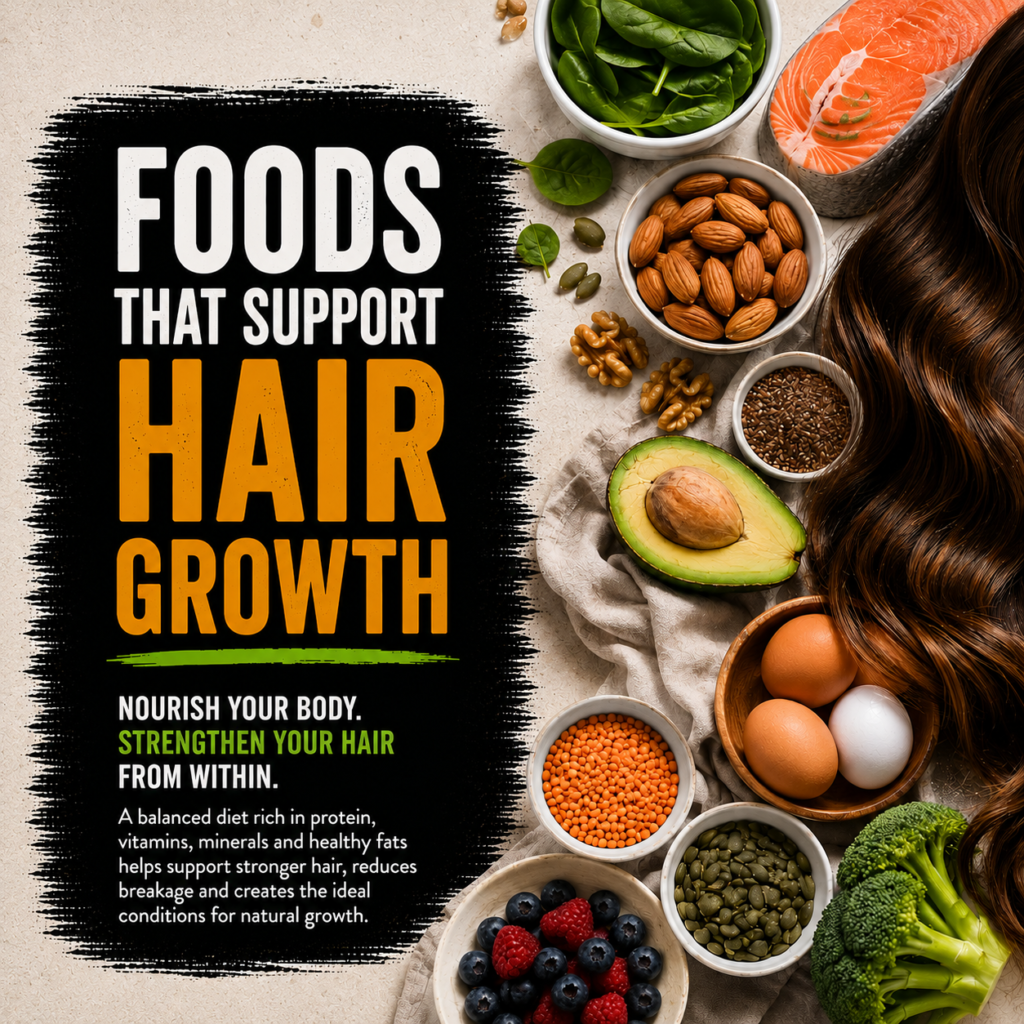
Foods That Support Hair Growth: Which Nutrients Really Matter for Healthy Hair
Healthy, strong hair depends on much more than hair products, styling routines and genetics. Hair is formed inside the hair follicle, and its normal growth requires protein, iron, zinc, B vitamins, vitamin D, fatty acids and other nutrients. If the diet does not provide enough of these substances over a long period, hair can become thinner, more fragile and more prone to shedding. Nutrition therefore plays an important role, particularly when a person follows a restrictive diet or has a confirmed deficiency of certain nutrients.At the same time, no single food can make hair grow dramatically faster on its own. Hair grows according to a natural cycle influenced by genetics, age, hormones and overall health. Nutrition mainly provides the conditions required for normal follicle function. If the body lacks protein, iron or certain vitamins and minerals, correcting the deficiency may help improve related hair problems. Instead of looking for one “miracle food”, it is much more useful to focus on a varied diet that regularly provides the nutrients needed to support healthy hair.One of the most important nutrients for hair is protein. Hair is largely made of keratin, a strong structural protein that is also found in the skin and nails. The body obtains the amino acids needed to produce its own proteins from food, so prolonged and significant protein restriction can affect hair health. Good sources include eggs, fish, meat, poultry, dairy products, legumes, tofu, nuts and seeds.
Why Probiotics May Be Useful After Antibiotics and How to Support Your Gut
Antibiotics help the body fight bacterial infections, but their effects can extend beyond the bacteria responsible for an illness. During treatment, the composition of the gut microbiome, the community of microorganisms living in the digestive tract, can temporarily change. For some people, this can lead to bloating, changes in bowel movements, abdominal discomfort or diarrhoea. This is why probiotics are often considered as an additional way to support digestive health during or after antibiotic treatment. However, it is important to understand that probiotics are not an essential part of every antibiotic course and cannot instantly restore the gut microbiome.After antibiotic treatment ends, the gut needs time for its microbial community to gradually return to a more stable state. The speed of this process varies from person to person and depends on the type of antibiotic, duration of treatment, diet and individual characteristics. Some probiotic strains may reduce the likelihood of antibiotic-associated diarrhoea, but their effectiveness depends on the specific microorganism rather than simply on taking any probiotic product. For this reason, probiotics are better viewed as an additional form of support rather than a universal solution for “restoring the gut”.Antibiotics work by interfering with bacteria, preventing them from growing or surviving. This allows the infection to be controlled, but it can also reduce the number of certain microorganisms that normally live in the intestines.
Why SPF Matters and How to Know When Sun Protection Is Really Necessary
Sunscreen is often seen as something reserved for beach holidays and hot summer days. In reality, ultraviolet radiation affects the skin much more frequently than many people realise, and its effects go far beyond causing sunburn. Regular UV exposure is associated with premature skin ageing, pigmentation and cellular damage. This is why sun protection matters not only during holidays but also in everyday life, particularly during periods when ultraviolet radiation is strong.At the same time, using SPF in exactly the same way every day and under every condition is not necessarily required. The need for protection depends on the UV Index, time of day, season, geographical location, how long a person will be outdoors and how much skin is exposed. Ultraviolet radiation does not disappear simply because the temperature is low or the weather feels cool. The key factor is the amount of UV radiation reaching the skin, rather than how hot it feels outside.SPF, or Sun Protection Factor, primarily indicates the level of protection a product provides against UVB radiation, which is the main cause of sunburn. For broader protection, however, it is important to choose a product that also protects against UVA radiation. UVA rays penetrate deeper into the skin and contribute significantly to photoageing and cellular damage. When choosing sunscreen, it is therefore important to look not only at the SPF number but also for an indication that the product offers broad-spectrum protection.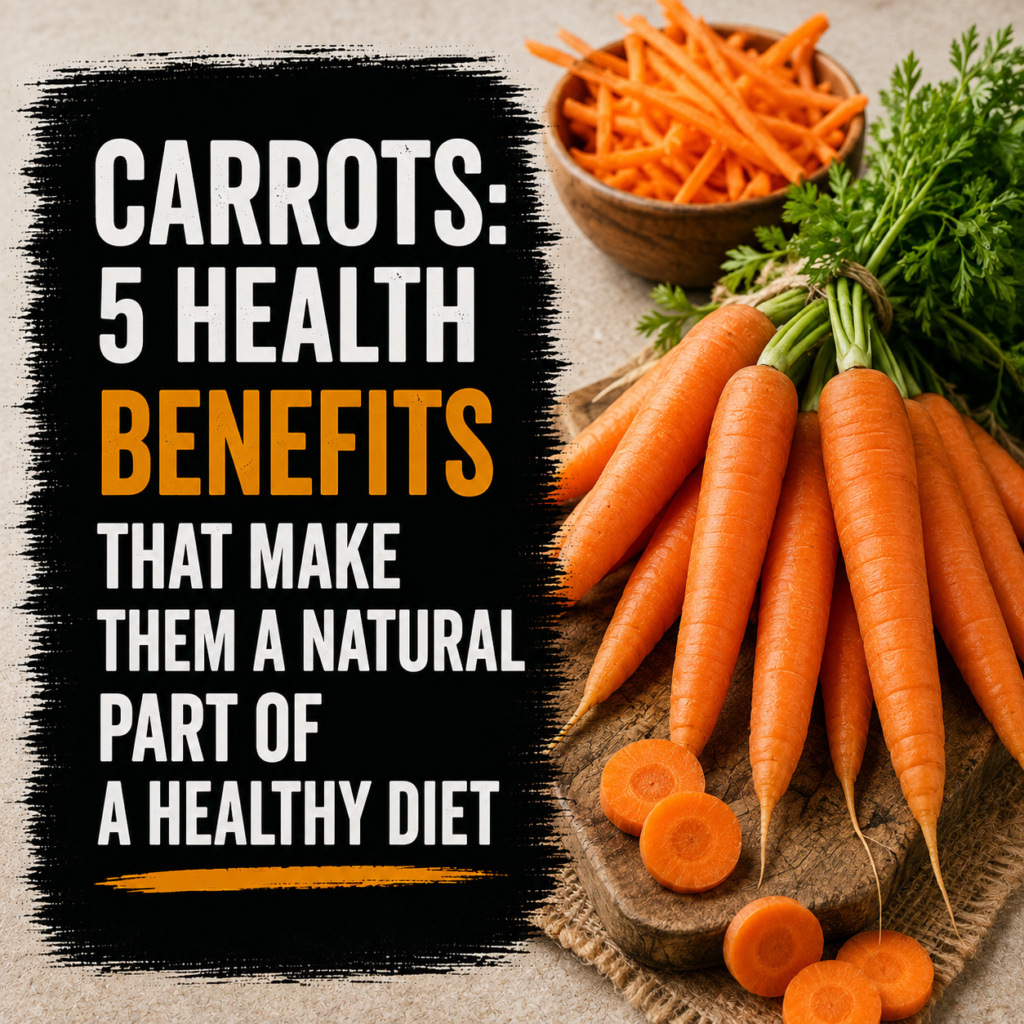
Carrots: Five Benefits That Make Them a Valuable Part of a Healthy Diet
Carrots may seem like one of the simplest foods in the kitchen, but their bright orange colour comes from compounds that can play an important role in the body. The best known of these is beta-carotene, a plant carotenoid that the body can convert into vitamin A. This vitamin contributes to normal vision, immune function, growth and cell renewal. Carrots can therefore be a useful part of a balanced diet, although the popular idea that they can give you exceptionally sharp eyesight is greatly exaggerated.The benefits of carrots are not limited to beta-carotene. They also contain dietary fibre, potassium, vitamin K and other plant compounds. This makes carrots easy to include in a varied diet and suitable for many different types of meals. They can be eaten raw, added to salads and soups, roasted, steamed or cooked as part of a main dish. Interestingly, cooking can make beta-carotene more available to the body, meaning that cooked carrots can remain a nutritious choice rather than being considered less healthy than raw ones.One of the main benefits of carrots is their contribution to normal eye health through vitamin A. Beta-carotene is a provitamin A compound, meaning that the body can convert it into vitamin A according to its needs. Vitamin A is essential for the normal function of the retina and plays a role in the processes that allow the eyes to respond to light, particularly in low-light conditions. This is why carrots have traditionally been associated with healthy eyesight.